













Monday, January 19, 2026
ISSN 2765-8767
  • Survey
  • Podcast
  • Write for Us
  • My Account
  • Log In
Daily Remedy
  • Home
  • Articles
  • Podcasts
    Your Body, Your Health Care: A Conversation with Dr. Jeffrey Singer

    Your Body, Your Health Care: A Conversation with Dr. Jeffrey Singer

    July 1, 2025

    The cost structure of hospitals nearly doubles

    July 1, 2025
    Navigating the Medical Licensing Maze

    The Fight Against Healthcare Fraud: Dr. Rafai’s Story

    April 8, 2025
    Navigating the Medical Licensing Maze

    Navigating the Medical Licensing Maze

    April 4, 2025
    The Alarming Truth About Health Insurance Denials

    The Alarming Truth About Health Insurance Denials

    February 3, 2025
    Telehealth in Turmoil

    The Importance of NIH Grants

    January 31, 2025
  • Surveys

    Surveys

    Patient Survey: Understanding Healthcare Consumerism

    Patient Survey: Understanding Healthcare Consumerism

    January 18, 2026
    Public Confidence in Proposed Changes to U.S. Vaccine Policy

    Public Confidence in Proposed Changes to U.S. Vaccine Policy

    January 3, 2026

    Survey Results

    Can you tell when your provider does not trust you?

    Can you tell when your provider does not trust you?

    January 18, 2026
    Do you believe national polls on health issues are accurate

    National health polls: trust in healthcare system accuracy?

    May 8, 2024
    Which health policy issues matter the most to Republican voters in the primaries?

    Which health policy issues matter the most to Republican voters in the primaries?

    May 14, 2024
    How strongly do you believe that you can tell when your provider does not trust you?

    How strongly do you believe that you can tell when your provider does not trust you?

    May 7, 2024
  • Courses
  • About Us
  • Contact us
  • Support Us
  • Official Learner
No Result
View All Result
  • Home
  • Articles
  • Podcasts
    Your Body, Your Health Care: A Conversation with Dr. Jeffrey Singer

    Your Body, Your Health Care: A Conversation with Dr. Jeffrey Singer

    July 1, 2025

    The cost structure of hospitals nearly doubles

    July 1, 2025
    Navigating the Medical Licensing Maze

    The Fight Against Healthcare Fraud: Dr. Rafai’s Story

    April 8, 2025
    Navigating the Medical Licensing Maze

    Navigating the Medical Licensing Maze

    April 4, 2025
    The Alarming Truth About Health Insurance Denials

    The Alarming Truth About Health Insurance Denials

    February 3, 2025
    Telehealth in Turmoil

    The Importance of NIH Grants

    January 31, 2025
  • Surveys

    Surveys

    Patient Survey: Understanding Healthcare Consumerism

    Patient Survey: Understanding Healthcare Consumerism

    January 18, 2026
    Public Confidence in Proposed Changes to U.S. Vaccine Policy

    Public Confidence in Proposed Changes to U.S. Vaccine Policy

    January 3, 2026

    Survey Results

    Can you tell when your provider does not trust you?

    Can you tell when your provider does not trust you?

    January 18, 2026
    Do you believe national polls on health issues are accurate

    National health polls: trust in healthcare system accuracy?

    May 8, 2024
    Which health policy issues matter the most to Republican voters in the primaries?

    Which health policy issues matter the most to Republican voters in the primaries?

    May 14, 2024
    How strongly do you believe that you can tell when your provider does not trust you?

    How strongly do you believe that you can tell when your provider does not trust you?

    May 7, 2024
  • Courses
  • About Us
  • Contact us
  • Support Us
  • Official Learner
No Result
View All Result
Daily Remedy
No Result
View All Result
Home Trends

More Than a Pop Star Problem: Miley Cyrus, Ovarian Cysts, and the Silence Around Gynecological Pain

Miley Cyrus’s revelation of an “excruciating” ovarian cyst rupture sparked viral headlines—but behind the celebrity story lies a broader issue: the under-recognition of gynecological pain in medicine and society.

Ashley Rodgers by Ashley Rodgers
May 29, 2025
in Politics & Law
0

It wasn’t a red carpet moment, but it made headlines just the same.

In a candid interview, pop icon Miley Cyrus revealed she had experienced an “excruciating” ovarian cyst rupture—an intensely painful, often underreported gynecological event that affects millions of women but rarely commands serious attention. Her admission, both vulnerable and unfiltered, struck a nerve: not just because of who she is, but because of how rarely public figures speak frankly about reproductive pain.

Ovarian cysts are remarkably common, and yet the suffering they cause often slips through the cracks of both pop culture and clinical practice. Cyrus’s revelation cast a spotlight on a medical issue that continues to be minimized, misdiagnosed, and misunderstood—an issue that says as much about healthcare as it does about celebrity.

What Is an Ovarian Cyst—and Why It Matters

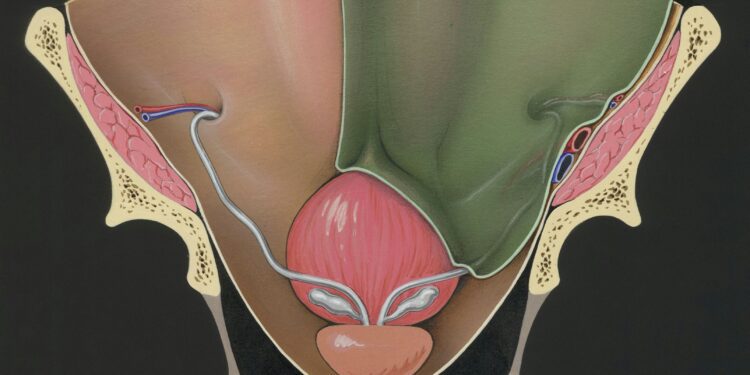
An ovarian cyst is a fluid-filled sac that develops on or inside an ovary. Most are benign and asymptomatic, but others can rupture, twist (a condition known as ovarian torsion), or cause significant bleeding and pain.

According to the Cleveland Clinic, ovarian cysts affect a majority of women at some point during their reproductive years. Yet because symptoms—pelvic pain, bloating, irregular periods—overlap with many other conditions, cysts are frequently dismissed or misdiagnosed.

That misdiagnosis can be costly. A ruptured cyst can mimic appendicitis or ectopic pregnancy and, in rare cases, may lead to hemorrhage and emergency surgery. Despite these risks, women reporting such pain are often met with skepticism or told they’re overreacting.

Miley Cyrus’s choice to name the pain—publicly—stands in sharp contrast to the medical system’s long-standing habit of silencing it.

The Diagnostic Dismissal of Women’s Pain

The phenomenon isn’t new. Studies have consistently shown that women’s pain is often taken less seriously than men’s. A landmark study in Academic Emergency Medicine found that women presenting with abdominal pain waited 33% longer than men to receive analgesics in the ER.

When it comes to reproductive pain—such as that from endometriosis, fibroids, or ovarian cysts—the problem is even more acute. These conditions often require imaging, specialist referrals, or laparoscopy to confirm—but are frequently reduced to “menstrual cramps” or anxiety in routine clinical encounters.

In pop culture, that erasure is compounded. Gynecological suffering is either played for laughs or completely ignored. Until a star like Cyrus says otherwise.

The Power of Celebrity Disclosure

Celebrities have long influenced health narratives—Angelina Jolie’s BRCA gene testing, Selena Gomez’s lupus diagnosis, even Michael J. Fox’s Parkinson’s advocacy. When a figure like Miley Cyrus discusses ovarian pain, it elevates the issue into mainstream conversation.

According to Healthline, online searches for “ovarian cyst symptoms” spiked after Cyrus’s interview. That spike, while fleeting, reflects something powerful: public validation for silent suffering.

But it also raises questions. Why does it take celebrity pain to draw attention to ordinary experiences? Why must a famous body become the proving ground for medical legitimacy?

The answer is complex—but ultimately rooted in how deeply society underestimates female health concerns.

A Public Health Issue Hiding in Plain Sight

Ovarian cysts are part of a broader pattern of reproductive neglect. Endometriosis affects 1 in 10 women of reproductive age and takes an average of 8 years to diagnose. Polycystic ovary syndrome (PCOS) affects 1 in 5 and is linked to infertility, metabolic disorders, and mental health issues—yet remains vastly underdiagnosed.

These are not fringe conditions. They are population-level health burdens. And they are routinely overlooked.

Part of the problem lies in education. Many women are not taught to recognize what abnormal pain looks like, and many providers are not trained to look beyond basic symptoms. A 2020 study in BMJ Open found that only 35% of general practitioners felt confident managing gynecological pain without a specialist.

The system, in other words, is not just under-informed. It is underprepared.

The Need for a Cultural and Clinical Shift

To move forward, we need more than awareness. We need accountability.

That means increasing investment in women’s health research, which currently receives less than half the funding of male-dominated disease areas. It means revising medical school curricula to prioritize pain equity and reproductive diagnostics. And it means listening—really listening—to patients when they describe their pain.

Public figures can help normalize the conversation. But structural change must follow.

Conclusion: From Pain to Power

Miley Cyrus didn’t ask to become a spokesperson for ovarian cysts. But her choice to speak out disrupted a silence that has gone on too long.

Her story is not unique. It is, in fact, painfully common. But in the echo of her words, there’s a call—to patients, to providers, to policymakers—to stop treating gynecological pain as a footnote.

Because for too many women, the pain is real, the diagnosis is delayed, and the silence is deadly.

It’s time to listen.

And more importantly, it’s time to act.

ShareTweet
Ashley Rodgers

Ashley Rodgers

Ashley Rodgers is a writer specializing in health, wellness, and policy, bringing a thoughtful and evidence-based voice to critical issues.

Leave a Reply Cancel reply

Your email address will not be published. Required fields are marked *

Videos

Summary

In this episode of the Daily Remedy Podcast, the host delves into the evolving landscape of healthcare consumerism as we approach 2026. The discussion highlights how patients are increasingly becoming empowered consumers, driven by the rising costs and complexities of healthcare in America. The host emphasizes that this shift is not merely about convenience but about patients demanding transparency, trust, and agency in their healthcare decisions. With advancements in technology, particularly AI, patients are now equipped to compare prices, switch providers, and even self-diagnose, fundamentally altering the traditional patient-provider dynamic.

The conversation further explores the implications of this shift, noting that patients are seeking predictable pricing and upfront cost estimates, which are becoming essential in their healthcare experience. The host also discusses the role of technology in facilitating this change, enabling a more fluid relationship between patients and healthcare providers. As healthcare consumerism matures, the episode raises critical questions about the future of patient engagement and the collaborative model of care that is emerging, where decision-making is shared rather than dictated by healthcare professionals alone.

Takeaways

Patients are becoming empowered consumers in healthcare.
Healthcare consumerism is maturing into a demand for transparency and trust.
Technology is enabling patients to become strong economic actors.
Patients want predictable pricing and upfront cost estimates.
The shift towards collaborative decision-making is changing the healthcare landscape.

Chapters

00:00 Introduction to Healthcare Consumerism
01:46 The Rise of Patient Empowerment
04:31 Technology's Role in Healthcare Transformation
07:16 The Shift Towards Collaborative Decision-Making
09:44 Conclusion and Future Outlook
Healthcare Consumerism 2026: A New Era of Patient Empowerment
YouTube Video dcz8FQlhAog
Subscribe

Real Food Initiative

Clinical Reads

Analysis of the DHHS “Real Food” Initiative

Analysis of the DHHS “Real Food” Initiative

by Daily Remedy
January 18, 2026
0

EXECUTIVE SUMMARY The Department of Health and Human Services has launched a transformative public health initiative through the RealFood.gov platform, introducing revised Dietary Guidelines for Americans that represent a fundamental departure from decades of nutritional policy. This initiative, branded as "Eat Real Food," repositions whole, minimally processed foods as the cornerstone of American nutrition while explicitly challenging the role of ultra-processed foods in the national diet. The initiative arrives amid a stark public health landscape where 50% of Americans have...

Read more

Twitter Updates

Tweets by DailyRemedy1

Newsletter

Start your Daily Remedy journey

Cultivate your knowledge of current healthcare events and ensure you receive the most accurate, insightful healthcare news and editorials.

*we hate spam as much as you do

Popular

  • National Opioid Settlement Injunction

    National Opioid Settlement Injunction

    1 shares
    Share 0 Tweet 0
  • Modeling Patient Irrationality

    0 shares
    Share 0 Tweet 0
  • A Two Headed Monster – State Attorneys General and the Drug Enforcement Agency

    3 shares
    Share 0 Tweet 0
  • Why I’m Running for the Arizona State Legislature

    3 shares
    Share 0 Tweet 0
  • My Plight as an Abandoned Pain Patient

    0 shares
    Share 0 Tweet 0
  • 628 Followers

Daily Remedy

Daily Remedy offers the best in healthcare information and healthcare editorial content. We take pride in consistently delivering only the highest quality of insight and analysis to ensure our audience is well-informed about current healthcare topics - beyond the traditional headlines.

Daily Remedy website services, content, and products are for informational purposes only. We do not provide medical advice, diagnosis, or treatment. All rights reserved.

Important Links

  • Support Us
  • About Us
  • Contact us
  • Privacy Policy
  • Terms and Conditions

Newsletter

Start your Daily Remedy journey

Cultivate your knowledge of current healthcare events and ensure you receive the most accurate, insightful healthcare news and editorials.

*we hate spam as much as you do

  • Survey
  • Podcast
  • About Us
  • Contact us

© 2026 Daily Remedy

No Result
View All Result
  • Home
  • Articles
  • Podcasts
  • Surveys
  • Courses
  • About Us
  • Contact us
  • Support Us
  • Official Learner

© 2026 Daily Remedy

Start your Daily Remedy journey

Cultivate your knowledge of current healthcare events and ensure you receive the most accurate, insightful healthcare news and editorials.

*we hate spam as much as you do
