













Thursday, March 12, 2026
ISSN 2765-8767
  • Survey
  • Podcast
  • Write for Us
  • My Account
  • Log In
Daily Remedy
  • Home
  • Articles
  • Podcasts
    The Impact of COVID-19 on Patient Trust

    The Impact of COVID-19 on Patient Trust

    March 3, 2026
    Debunking Myths About GLP-1 Medications

    Debunking Myths About GLP-1 Medications

    February 16, 2026
    The Future of LLMs in Healthcare

    The Future of LLMs in Healthcare

    January 26, 2026
    The Future of Healthcare Consumerism

    The Future of Healthcare Consumerism

    January 22, 2026
    Your Body, Your Health Care: A Conversation with Dr. Jeffrey Singer

    Your Body, Your Health Care: A Conversation with Dr. Jeffrey Singer

    July 1, 2025

    The cost structure of hospitals nearly doubles

    July 1, 2025
  • Surveys

    Surveys

    Perceptions of Viral Wellness Practices on Social Media: A Likert-Scale Survey for Informed Readers

    Perceptions of Viral Wellness Practices on Social Media: A Likert-Scale Survey for Informed Readers

    March 1, 2026
    How Confident Are You in RFK Jr.’s Health Leadership?

    How Confident Are You in RFK Jr.’s Health Leadership?

    February 16, 2026

    Survey Results

    Can you tell when your provider does not trust you?

    Can you tell when your provider does not trust you?

    January 18, 2026
    Do you believe national polls on health issues are accurate

    National health polls: trust in healthcare system accuracy?

    May 8, 2024
    Which health policy issues matter the most to Republican voters in the primaries?

    Which health policy issues matter the most to Republican voters in the primaries?

    May 14, 2024
    How strongly do you believe that you can tell when your provider does not trust you?

    How strongly do you believe that you can tell when your provider does not trust you?

    May 7, 2024
  • Courses
  • About Us
  • Contact us
  • Support Us
  • Official Learner
No Result
View All Result
  • Home
  • Articles
  • Podcasts
    The Impact of COVID-19 on Patient Trust

    The Impact of COVID-19 on Patient Trust

    March 3, 2026
    Debunking Myths About GLP-1 Medications

    Debunking Myths About GLP-1 Medications

    February 16, 2026
    The Future of LLMs in Healthcare

    The Future of LLMs in Healthcare

    January 26, 2026
    The Future of Healthcare Consumerism

    The Future of Healthcare Consumerism

    January 22, 2026
    Your Body, Your Health Care: A Conversation with Dr. Jeffrey Singer

    Your Body, Your Health Care: A Conversation with Dr. Jeffrey Singer

    July 1, 2025

    The cost structure of hospitals nearly doubles

    July 1, 2025
  • Surveys

    Surveys

    Perceptions of Viral Wellness Practices on Social Media: A Likert-Scale Survey for Informed Readers

    Perceptions of Viral Wellness Practices on Social Media: A Likert-Scale Survey for Informed Readers

    March 1, 2026
    How Confident Are You in RFK Jr.’s Health Leadership?

    How Confident Are You in RFK Jr.’s Health Leadership?

    February 16, 2026

    Survey Results

    Can you tell when your provider does not trust you?

    Can you tell when your provider does not trust you?

    January 18, 2026
    Do you believe national polls on health issues are accurate

    National health polls: trust in healthcare system accuracy?

    May 8, 2024
    Which health policy issues matter the most to Republican voters in the primaries?

    Which health policy issues matter the most to Republican voters in the primaries?

    May 14, 2024
    How strongly do you believe that you can tell when your provider does not trust you?

    How strongly do you believe that you can tell when your provider does not trust you?

    May 7, 2024
  • Courses
  • About Us
  • Contact us
  • Support Us
  • Official Learner
No Result
View All Result
Daily Remedy
No Result
View All Result
Home Innovations & Investing

Beneath the Wristband: How Wearable Health Tech Is Quietly Revolutionizing Modern Medicine

From tracking heartbeats to predicting disease, wearable devices are evolving from lifestyle accessories to indispensable tools in 21st-century healthcare.

Kumar Ramalingam by Kumar Ramalingam
June 15, 2025
in Uncategorized
0

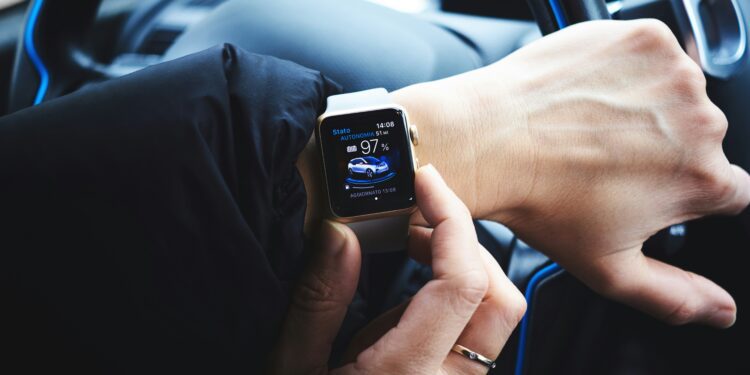
A watch that tracks your heart rate is no longer a novelty—it’s a gateway to your future health.

In the last decade, wearable health technology has leapt from niche to necessity. What began with simple pedometers and calorie counters has morphed into a $60 billion global industry capable of monitoring blood pressure, glucose levels, sleep cycles, cardiac arrhythmias, and even stress. Devices like the Apple Watch, Fitbit Sense, and Withings ScanWatch are no longer just tracking fitness—they’re becoming medical companions, offering real-time diagnostics and continuous data collection once reserved for clinical settings.

This evolution represents more than a tech trend. It signals a foundational shift in how healthcare is delivered, monitored, and experienced. With wearable devices increasingly approved by regulatory bodies like the FDA, they now inhabit the intersection of lifestyle, prevention, and clinical medicine.

From Quantified Self to Preventive Power

The early phase of wearable tech focused heavily on the “quantified self”—metrics like steps taken or calories burned. These insights catered to health-conscious consumers but remained largely passive. Today’s devices, by contrast, are proactive.

Smartwatches and biosensors now monitor blood oxygen saturation (SpO2), detect falls, identify atrial fibrillation, and track circadian rhythms with clinical-grade accuracy. For patients with hypertension, continuous blood pressure monitoring provides trends that can be shared directly with providers, improving early detection and disease management.

One of the most transformative frontiers is glucose tracking. Companies like Abbott (with the FreeStyle Libre) and Dexcom have introduced continuous glucose monitors (CGMs) that link with smartphones and wearables. These tools are proving essential not only for people with diabetes, but also for biohackers, athletes, and wellness seekers optimizing diet and metabolism.

Democratizing Data: Empowerment Through Access

The fundamental value of wearables lies in the empowerment they offer. By making personal health data accessible in real-time, users can detect anomalies early, make lifestyle adjustments, and share trends with healthcare providers for more informed treatment plans.

According to a 2023 Deloitte survey, over 50% of wearable device users reported making long-term behavior changes due to feedback from their devices. The same survey found that patients managing chronic conditions were more likely to adhere to medication or care plans when using wearables.

Moreover, platforms like Apple Health and Google Fit are developing increasingly sophisticated dashboards that integrate with EMRs (electronic medical records), allowing clinicians to use patient-generated data during consultations. This marks a significant step in blurring the traditional boundary between the clinic and the home.

Clinical Integration and FDA Oversight

The medicalization of wearable tech has accelerated due to regulatory recognition. In 2018, the Apple Watch received FDA clearance for its ECG function, a landmark moment that opened the door for similar approvals. Since then, dozens of wearable health devices have earned FDA designation as Class II medical devices.

These designations matter: they require rigorous testing, clinical trial validation, and ongoing quality controls. The more wearables gain medical credibility, the more likely insurers, hospital systems, and physicians will incorporate them into care protocols.

Still, integration is not without friction. Issues of data accuracy, privacy, and standardization remain unresolved. Without unified guidelines, the clinical interpretation of wearable data varies widely, and physicians must navigate both liability and information overload.

Challenges: The Digital Divide and Data Dilemmas

As with most innovations, wearables also risk reinforcing disparities. Access to these devices often correlates with socioeconomic status. A $400 smartwatch remains out of reach for many low-income patients, limiting the democratizing potential of health tech.

Data privacy is another pressing concern. Health data collected by wearables is not always protected under HIPAA (Health Insurance Portability and Accountability Act), especially when managed by third-party apps. Transparency about data use, storage, and commercial sale is essential.

Additionally, there is a growing concern about device fatigue. As more functions are crammed into wrist-sized devices, user experience can suffer, and long-term engagement may wane without meaningful support systems.

The Road Ahead: Personalized, Predictive, Preventive

The long-term promise of wearables lies in personalization and prediction. As artificial intelligence and machine learning improve, wearable devices will be able to not only report data but interpret it contextually. This could mean:

  • Early warnings for cardiac events before symptoms appear
  • Tailored fitness plans based on metabolic response
  • Behavioral nudges customized to circadian rhythm and mood
  • Alerts for medication adherence and vital sign anomalies

Startups and healthcare systems are already exploring how wearable data can feed into population health models, informing everything from resource allocation to public health response.

Conclusion: A New Chapter in Health Autonomy

Wearable health tech represents more than digital convenience. It is a cultural and clinical evolution, giving individuals unprecedented agency over their own wellness.

As healthcare shifts from reactive to proactive, wearables offer a vital bridge—one that connects real-time personal data with systemic decision-making. But realizing their full potential will require cross-sector collaboration: between tech companies and physicians, regulators and patients, data scientists and ethicists.

The wrist may seem like a small place to start. But for millions, it now carries the pulse of modern medicine.


ShareTweet
Kumar Ramalingam

Kumar Ramalingam

Kumar Ramalingam is a writer focused on the intersection of science, health, and policy, translating complex issues into accessible insights.

Leave a Reply Cancel reply

Your email address will not be published. Required fields are marked *

Videos

In this episode of the Daily Remedy Podcast, Tiffany Ryder discusses her insights on healthcare messaging, the impact of COVID-19 on patient trust, and the importance of transparency in health policy. She emphasizes the need for clear communication in the face of divisiveness and explores the complexities surrounding the estrogen debate. Additionally, Tiffany highlights positive developments in health policy and the necessity of effectively conveying these changes to the public.

Tiffany Ryder is a political commentator and public health policy thought leader who publishes the Substack newsletter Signal and Noise: https://signalandnoise.online/


Chapters

00:00 Introduction to Healthcare Conversations
02:58 Signal and Noise: Understanding Healthcare Communication
05:56 The Storytelling Problem in Healthcare
08:58 Navigating Political Divisiveness in Health Policy
11:55 The Role of Media in Health Policy
15:03 Bias in Health Reporting
17:56 Estrogen and Health Policy: A Case Study
24:00 Positive Developments in Health Policy
27:03 Looking Ahead: Future of Health Policy
31:49 Communicating Health Policy Effectively
The Impact of COVID-19 on Patient Trust
YouTube Video ujzgl7HDlsw
Subscribe

2027 Medicare Advantage & Part D Advance Notice

Clinical Reads

GLP-1 Drugs Have Moved Past Weight Loss. Medicine Has Not Fully Caught Up.

Glucagon-Like Peptide–Based Therapies and Longevity: Clinical Implications from Emerging Evidence

by Daily Remedy
March 1, 2026
0

Glucagon-like peptide–based therapies are increasingly used for weight management and glycemic control, but their potential impact on long-term survival remains uncertain. The clinical question addressed in this report is whether treatment with glucagon-like peptide receptor agonists is associated with reductions in all-cause mortality and age-related morbidity beyond their established metabolic effects. This question matters because these agents are now prescribed across broad patient populations, including individuals without diabetes, and long-term exposure may influence cardiovascular, oncologic, and neurodegenerative outcomes. Understanding whether...

Read more

Join Our Newsletter!

Twitter Updates

Tweets by TheDailyRemedy

Popular

  • When the Taboo Becomes Therapeutic

    When the Taboo Becomes Therapeutic

    0 shares
    Share 0 Tweet 0
  • The Curious Case of Dr. Xiulu Ruan

    1 shares
    Share 0 Tweet 0
  • Familiarity Biases

    0 shares
    Share 0 Tweet 0
  • We May Soon Have a Nitazene Crisis

    0 shares
    Share 0 Tweet 0
  • Invisible Backbone: How International Nurses Day Exposed a Global Care Crisis

    0 shares
    Share 0 Tweet 0
  • 628 Followers

Daily Remedy

Daily Remedy offers the best in healthcare information and healthcare editorial content. We take pride in consistently delivering only the highest quality of insight and analysis to ensure our audience is well-informed about current healthcare topics - beyond the traditional headlines.

Daily Remedy website services, content, and products are for informational purposes only. We do not provide medical advice, diagnosis, or treatment. All rights reserved.

Important Links

  • Support Us
  • About Us
  • Contact us
  • Privacy Policy
  • Terms and Conditions

Join Our Newsletter!

  • Survey
  • Podcast
  • About Us
  • Contact us

© 2026 Daily Remedy

No Result
View All Result
  • Home
  • Articles
  • Podcasts
  • Surveys
  • Courses
  • About Us
  • Contact us
  • Support Us
  • Official Learner

© 2026 Daily Remedy
