













Friday, March 13, 2026
ISSN 2765-8767
  • Survey
  • Podcast
  • Write for Us
  • My Account
  • Log In
Daily Remedy
  • Home
  • Articles
  • Podcasts
    The Impact of COVID-19 on Patient Trust

    The Impact of COVID-19 on Patient Trust

    March 3, 2026
    Debunking Myths About GLP-1 Medications

    Debunking Myths About GLP-1 Medications

    February 16, 2026
    The Future of LLMs in Healthcare

    The Future of LLMs in Healthcare

    January 26, 2026
    The Future of Healthcare Consumerism

    The Future of Healthcare Consumerism

    January 22, 2026
    Your Body, Your Health Care: A Conversation with Dr. Jeffrey Singer

    Your Body, Your Health Care: A Conversation with Dr. Jeffrey Singer

    July 1, 2025

    The cost structure of hospitals nearly doubles

    July 1, 2025
  • Surveys

    Surveys

    Perceptions of Viral Wellness Practices on Social Media: A Likert-Scale Survey for Informed Readers

    Perceptions of Viral Wellness Practices on Social Media: A Likert-Scale Survey for Informed Readers

    March 1, 2026
    How Confident Are You in RFK Jr.’s Health Leadership?

    How Confident Are You in RFK Jr.’s Health Leadership?

    February 16, 2026

    Survey Results

    Can you tell when your provider does not trust you?

    Can you tell when your provider does not trust you?

    January 18, 2026
    Do you believe national polls on health issues are accurate

    National health polls: trust in healthcare system accuracy?

    May 8, 2024
    Which health policy issues matter the most to Republican voters in the primaries?

    Which health policy issues matter the most to Republican voters in the primaries?

    May 14, 2024
    How strongly do you believe that you can tell when your provider does not trust you?

    How strongly do you believe that you can tell when your provider does not trust you?

    May 7, 2024
  • Courses
  • About Us
  • Contact us
  • Support Us
  • Official Learner
No Result
View All Result
  • Home
  • Articles
  • Podcasts
    The Impact of COVID-19 on Patient Trust

    The Impact of COVID-19 on Patient Trust

    March 3, 2026
    Debunking Myths About GLP-1 Medications

    Debunking Myths About GLP-1 Medications

    February 16, 2026
    The Future of LLMs in Healthcare

    The Future of LLMs in Healthcare

    January 26, 2026
    The Future of Healthcare Consumerism

    The Future of Healthcare Consumerism

    January 22, 2026
    Your Body, Your Health Care: A Conversation with Dr. Jeffrey Singer

    Your Body, Your Health Care: A Conversation with Dr. Jeffrey Singer

    July 1, 2025

    The cost structure of hospitals nearly doubles

    July 1, 2025
  • Surveys

    Surveys

    Perceptions of Viral Wellness Practices on Social Media: A Likert-Scale Survey for Informed Readers

    Perceptions of Viral Wellness Practices on Social Media: A Likert-Scale Survey for Informed Readers

    March 1, 2026
    How Confident Are You in RFK Jr.’s Health Leadership?

    How Confident Are You in RFK Jr.’s Health Leadership?

    February 16, 2026

    Survey Results

    Can you tell when your provider does not trust you?

    Can you tell when your provider does not trust you?

    January 18, 2026
    Do you believe national polls on health issues are accurate

    National health polls: trust in healthcare system accuracy?

    May 8, 2024
    Which health policy issues matter the most to Republican voters in the primaries?

    Which health policy issues matter the most to Republican voters in the primaries?

    May 14, 2024
    How strongly do you believe that you can tell when your provider does not trust you?

    How strongly do you believe that you can tell when your provider does not trust you?

    May 7, 2024
  • Courses
  • About Us
  • Contact us
  • Support Us
  • Official Learner
No Result
View All Result
Daily Remedy
No Result
View All Result
Home Contrarian

The Wellness Mirage: Parsing Hype from Health in the Functional Beverage Boom

As electrolyte-infused waters and alcohol-free cocktails flood the wellness market, discerning actual clinical benefit from clever branding has become an essential consumer skill.

Ashley Rodgers by Ashley Rodgers
May 16, 2025
in Contrarian
0

Walk through a grocery aisle or scroll TikTok’s “wellness” corner, and hydration has never looked so stylish—or so expensive. Rows of functional beverages boast neon labels and lofty claims: “hydration at the cellular level,” “focus without the crash,” “restorative adaptogens,” and “electrolyte optimization.” From sleek aluminum bottles of electrolyte-infused spring water to adaptogenic non-alcoholic aperitifs with names like “Mind Bloom” and “Mood Sip,” the hydration game is no longer about quenching thirst. It’s about elevating wellness.

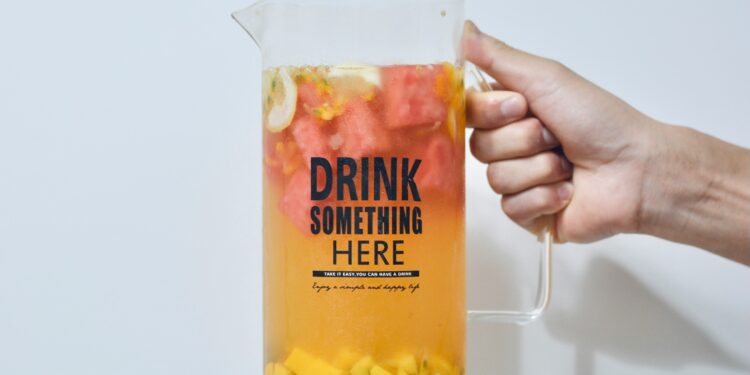
Functional beverages including electrolyte-infused water and non-alcoholic cocktails are in the spotlight because consumers are looking for healthier choices for hydration. However, how do you separate marketing fads from genuine clinical benefits? And from what criteria do you check for the product’s quality of health?

The Rise of the “Better-for-You” Beverage

Americans are drinking less soda, more water, and—perhaps most tellingly—more beverages that promise a little something extra. The global market for functional beverages was valued at $130 billion in 2022 and is projected to grow at over 7% annually through 2030, according to Grand View Research.

While this trend is partly driven by legitimate interest in healthier lifestyles, it’s also fueled by clever marketing that blurs the line between indulgence and supplementation. Many brands ride the wave of ingredient-based storytelling, centering buzzwords like “electrolytes,” “nootropics,” “adaptogens,” and “molecular hydration.”

But how do we know these ingredients actually work—or that they’re included in effective doses?

Hydration Science 101: Beyond the Buzz

At its core, hydration is a straightforward biological process: your body needs water, sodium, potassium, and other electrolytes to maintain fluid balance, support nerve function, and regulate temperature. For most people, plain water, supplemented by a balanced diet, provides more than adequate hydration.

Where functional beverages claim superiority is in adding electrolytes, amino acids, B-vitamins, or herbal extracts that supposedly optimize performance, cognition, or recovery.

However, many of these claims are tenuously supported by science:

  • Electrolytes are only critical for hydration during intense exercise, heat exposure, or illness-related fluid loss. For sedentary consumers, these beverages may provide little added benefit and, in some cases, excessive sodium.
  • Adaptogens like ashwagandha or reishi mushroom are often added to non-alcoholic cocktails for “stress support,” but human trials are limited and dosages in beverages are rarely standardized.
  • Nootropics—ingredients that claim to boost cognitive function—often rely on compounds like L-theanine or GABA. While some studies suggest mild effects, they are context-specific and not well validated in casual beverage consumption.

As the National Institutes of Health Office of Dietary Supplements emphasizes, many of these compounds require more research, especially in the form they appear in beverages.

Ingredient Lists: What to Look For (and Avoid)

To assess the clinical quality of a functional drink, consumers should scrutinize three key aspects:

  1. Dosage and Transparency: Are the active ingredients listed with their actual amounts (e.g., “200mg L-theanine”) or are they hidden in “proprietary blends”? The latter is a red flag, as it obscures whether you’re getting a therapeutic dose.
  2. Scientific Backing: Has the ingredient been tested in peer-reviewed, human trials? For example, coconut water has credible rehydration benefits post-exercise, but colloidal silver and chlorophyll water, despite their popularity, lack rigorous support and may even pose health risks.
  3. Sourcing and Additives: Are ingredients derived from whole foods, or are they synthetic? Also examine sweeteners: many “healthy” drinks include sugar alcohols or artificial flavors that can irritate the gut or mask poor formulation.

Functional drinks should not be judged by their label design or brand ethos, but by clinical relevance and biochemical plausibility.

The Mocktail Movement: A Mixed Bag

The wellness beverage boom isn’t just about hydration—it’s also about social ritual. Non-alcoholic cocktails (or “mocktails”) are surging in popularity as younger consumers embrace sober-curious lifestyles. Companies like Kin Euphorics, De Soi, and Ghia offer mood-boosting drinks with packaging and price points similar to boutique spirits.

Many of these drinks claim to support relaxation, focus, or stress resilience through herbs like rhodiola, schisandra, and holy basil—all adaptogens with limited but intriguing data.

However, according to a 2023 review in The American Journal of Clinical Nutrition, adaptogens often lack standardized extraction methods, making their effects highly variable. In some drinks, their quantities may be too low to have meaningful physiological impact.

More importantly, some drinks capitalize on the absence of alcohol as a health benefit, while quietly packing in added sugars or artificial flavoring to compensate for taste—a bait-and-switch that undermines their wellness narrative.

Placebo, Ritual, and the Psychology of Consumption

It’s worth asking: if a drink feels good, does it matter whether it’s clinically effective?

There’s no denying that rituals of wellness carry psychological power. A beautifully branded can with a health-forward message can enhance feelings of control, calm, and routine. In the context of behavior change—like replacing sugary soda or alcoholic drinks—this can be a positive force.

But health outcomes should not rely solely on aesthetics and placebo. Without standards for formulation and labeling, the functional beverage space risks becoming a wellness echo chamber, where the illusion of efficacy is enough to drive repeat purchases, even when science lags far behind.

Regulation: The Missing Piece

Unlike pharmaceuticals or even over-the-counter supplements, beverages with health claims exist in a regulatory grey area. The FDA does not require pre-market approval for drinks labeled as “functional,” unless they make explicit disease treatment claims.

This leaves enforcement in the hands of consumer watchdog groups and trade associations, who often lack teeth. Until clearer regulatory frameworks are enacted—perhaps akin to Europe’s EFSA—the burden remains on consumers and journalists to ask critical questions.

Conclusion: A Call for Evidence-Driven Sipping

The rise of functional beverages reflects a broader cultural shift toward health empowerment, but empowerment without education is exploitation. Consumers deserve better than ambiguous claims wrapped in chic typography.

The next time you reach for a mood-enhancing spritzer or electrolyte-charged water, ask: Is this a supplement or a soda in disguise? What does the clinical literature say? And does my body need this—or does the brand want me to think I do?

Because hydration should begin in science, not in story.

ShareTweet
Ashley Rodgers

Ashley Rodgers

Ashley Rodgers is a writer specializing in health, wellness, and policy, bringing a thoughtful and evidence-based voice to critical issues.

Leave a Reply Cancel reply

Your email address will not be published. Required fields are marked *

Videos

In this episode of the Daily Remedy Podcast, Tiffany Ryder discusses her insights on healthcare messaging, the impact of COVID-19 on patient trust, and the importance of transparency in health policy. She emphasizes the need for clear communication in the face of divisiveness and explores the complexities surrounding the estrogen debate. Additionally, Tiffany highlights positive developments in health policy and the necessity of effectively conveying these changes to the public.

Tiffany Ryder is a political commentator and public health policy thought leader who publishes the Substack newsletter Signal and Noise: https://signalandnoise.online/


Chapters

00:00 Introduction to Healthcare Conversations
02:58 Signal and Noise: Understanding Healthcare Communication
05:56 The Storytelling Problem in Healthcare
08:58 Navigating Political Divisiveness in Health Policy
11:55 The Role of Media in Health Policy
15:03 Bias in Health Reporting
17:56 Estrogen and Health Policy: A Case Study
24:00 Positive Developments in Health Policy
27:03 Looking Ahead: Future of Health Policy
31:49 Communicating Health Policy Effectively
The Impact of COVID-19 on Patient Trust
YouTube Video ujzgl7HDlsw
Subscribe

2027 Medicare Advantage & Part D Advance Notice

Clinical Reads

GLP-1 Drugs Have Moved Past Weight Loss. Medicine Has Not Fully Caught Up.

Glucagon-Like Peptide–Based Therapies and Longevity: Clinical Implications from Emerging Evidence

by Daily Remedy
March 1, 2026
0

Glucagon-like peptide–based therapies are increasingly used for weight management and glycemic control, but their potential impact on long-term survival remains uncertain. The clinical question addressed in this report is whether treatment with glucagon-like peptide receptor agonists is associated with reductions in all-cause mortality and age-related morbidity beyond their established metabolic effects. This question matters because these agents are now prescribed across broad patient populations, including individuals without diabetes, and long-term exposure may influence cardiovascular, oncologic, and neurodegenerative outcomes. Understanding whether...

Read more

Join Our Newsletter!

Twitter Updates

Tweets by TheDailyRemedy

Popular

  • If the Wealthy Live to 120

    If the Wealthy Live to 120

    0 shares
    Share 0 Tweet 0
  • We May Soon Have a Nitazene Crisis

    0 shares
    Share 0 Tweet 0
  • Invisible Backbone: How International Nurses Day Exposed a Global Care Crisis

    0 shares
    Share 0 Tweet 0
  • Medicine & Law Cannot Get Along

    0 shares
    Share 0 Tweet 0
  • When Appetite Becomes Optional

    0 shares
    Share 0 Tweet 0
  • 628 Followers

Daily Remedy

Daily Remedy offers the best in healthcare information and healthcare editorial content. We take pride in consistently delivering only the highest quality of insight and analysis to ensure our audience is well-informed about current healthcare topics - beyond the traditional headlines.

Daily Remedy website services, content, and products are for informational purposes only. We do not provide medical advice, diagnosis, or treatment. All rights reserved.

Important Links

  • Support Us
  • About Us
  • Contact us
  • Privacy Policy
  • Terms and Conditions

Join Our Newsletter!

  • Survey
  • Podcast
  • About Us
  • Contact us

© 2026 Daily Remedy

No Result
View All Result
  • Home
  • Articles
  • Podcasts
  • Surveys
  • Courses
  • About Us
  • Contact us
  • Support Us
  • Official Learner

© 2026 Daily Remedy

