












Tuesday, February 24, 2026
ISSN 2765-8767
  • Survey
  • Podcast
  • Write for Us
  • My Account
  • Log In
Daily Remedy
  • Home
  • Articles
  • Podcasts
    Debunking Myths About GLP-1 Medications

    Debunking Myths About GLP-1 Medications

    February 16, 2026
    The Future of LLMs in Healthcare

    The Future of LLMs in Healthcare

    January 26, 2026
    The Future of Healthcare Consumerism

    The Future of Healthcare Consumerism

    January 22, 2026
    Your Body, Your Health Care: A Conversation with Dr. Jeffrey Singer

    Your Body, Your Health Care: A Conversation with Dr. Jeffrey Singer

    July 1, 2025

    The cost structure of hospitals nearly doubles

    July 1, 2025
    Navigating the Medical Licensing Maze

    The Fight Against Healthcare Fraud: Dr. Rafai’s Story

    April 8, 2025
  • Surveys

    Surveys

    How Confident Are You in RFK Jr.’s Health Leadership?

    How Confident Are You in RFK Jr.’s Health Leadership?

    February 16, 2026
    AI in Healthcare Decision-Making

    AI in Healthcare Decision-Making

    February 1, 2026

    Survey Results

    Can you tell when your provider does not trust you?

    Can you tell when your provider does not trust you?

    January 18, 2026
    Do you believe national polls on health issues are accurate

    National health polls: trust in healthcare system accuracy?

    May 8, 2024
    Which health policy issues matter the most to Republican voters in the primaries?

    Which health policy issues matter the most to Republican voters in the primaries?

    May 14, 2024
    How strongly do you believe that you can tell when your provider does not trust you?

    How strongly do you believe that you can tell when your provider does not trust you?

    May 7, 2024
  • Courses
  • About Us
  • Contact us
  • Support Us
  • Official Learner
No Result
View All Result
  • Home
  • Articles
  • Podcasts
    Debunking Myths About GLP-1 Medications

    Debunking Myths About GLP-1 Medications

    February 16, 2026
    The Future of LLMs in Healthcare

    The Future of LLMs in Healthcare

    January 26, 2026
    The Future of Healthcare Consumerism

    The Future of Healthcare Consumerism

    January 22, 2026
    Your Body, Your Health Care: A Conversation with Dr. Jeffrey Singer

    Your Body, Your Health Care: A Conversation with Dr. Jeffrey Singer

    July 1, 2025

    The cost structure of hospitals nearly doubles

    July 1, 2025
    Navigating the Medical Licensing Maze

    The Fight Against Healthcare Fraud: Dr. Rafai’s Story

    April 8, 2025
  • Surveys

    Surveys

    How Confident Are You in RFK Jr.’s Health Leadership?

    How Confident Are You in RFK Jr.’s Health Leadership?

    February 16, 2026
    AI in Healthcare Decision-Making

    AI in Healthcare Decision-Making

    February 1, 2026

    Survey Results

    Can you tell when your provider does not trust you?

    Can you tell when your provider does not trust you?

    January 18, 2026
    Do you believe national polls on health issues are accurate

    National health polls: trust in healthcare system accuracy?

    May 8, 2024
    Which health policy issues matter the most to Republican voters in the primaries?

    Which health policy issues matter the most to Republican voters in the primaries?

    May 14, 2024
    How strongly do you believe that you can tell when your provider does not trust you?

    How strongly do you believe that you can tell when your provider does not trust you?

    May 7, 2024
  • Courses
  • About Us
  • Contact us
  • Support Us
  • Official Learner
No Result
View All Result
Daily Remedy
No Result
View All Result
Home Uncertainty & Complexity

The Gut Healthy Diet

Decoding the messages of our gut microbiome

Daily Remedy by Daily Remedy
December 27, 2023
in Uncertainty & Complexity
0
The Gut Healthy Diet

Julien Tromeur

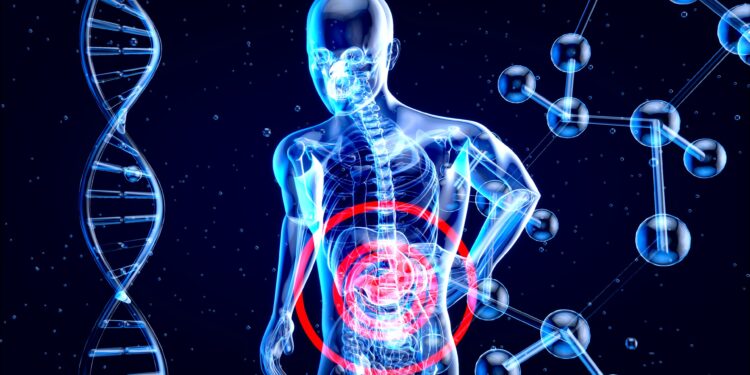
In recent years, there has been a growing interest in the relationship between our gut health and our overall well-being. The human gut is home to trillions of microorganisms, collectively known as the human microbiome. These microorganisms play a vital role in our digestion, immune system, and even our mental health.

Moreover, emerging research suggests that our microbial composition can impact our nutritional needs and even influence our dietary choices. Through such analysis, we find an intriguing link between our gut microbiome and our diet choices. By understanding the hidden messages of our microbial universe, we can make informed decisions about our ideal diet and optimize our health through the power of nutrition.

The role of gut microbiota in our overall health

The human gut microbiota, composed of trillions of microorganisms, not only aids in digestion but also plays a crucial role in our overall health, including mental health and cognitive function. These microscopic organisms help break down food, produce vitamins, and regulate our immune system.

One fascinating area of research is the connection between gut microbiota and chronic diseases such as obesity, diabetes, and cardiovascular conditions. Imbalances in the gut microbiota, known as dysbiosis, have been found to be associated with the development of these conditions.

Our diet directly affects the composition of our gut microbiota, and vice versa. The types of food we consume determine which microbes flourish in our gut and which ones decline.

Research has shown that a diet rich in fiber, fruits, vegetables, and whole grains promotes a diverse and beneficial gut microbiota. These foods provide the necessary nutrients for the growth of beneficial bacteria, which in turn produce short-chain fatty acids that support a healthy gut lining and reduce inflammation.

In contrast, a diet high in processed foods, sugars, and saturated fats can lead to an imbalance in gut microbiota, characterized by an overgrowth of harmful bacteria. This dysbiosis has been linked to various health issues, including chronic inflammation, insulin resistance, and an increased risk of developing conditions such as obesity and cardiovascular disease.

Our gut microbiota is not just a collection of random bacteria in our digestive system; it is a complex ecosystem that communicates with our bodies in ways we are only beginning to understand. By decoding the hidden messages of our microbial universe, we can gain valuable insights into how our dietary choices impact our health.

One way that our gut bacteria communicate with us is through the production of neurotransmitters such as serotonin and dopamine. These chemicals play a crucial role in regulating our mood and mental well-being. Research has shown that certain bacteria in our gut can influence the production of these neurotransmitters, which can have profound effects on our mental health.

Furthermore, our gut microbiota can influence our immune system, helping to regulate inflammation and protect against infections. Certain bacteria produce compounds that stimulate the production of immune cells, while others suppress inflammation. Understanding these hidden messages can help us make dietary choices that support a healthy immune system.

Optimizing diet choices for optimal gut health

In order to optimize our diet choices for optimal gut health, it is important to understand the specific ways in which our gut microbiota communicates with us. One of the most important ways is through the production of short-chain fatty acids (SCFAs). SCFAs are produced when certain types of bacteria in our gut break down dietary fiber. These compounds play a crucial role in maintaining a healthy gut lining, reducing inflammation, and providing energy for our gut cells.

By increasing our intake of fiber-rich foods such as fruits, vegetables, whole grains, and legumes, we can promote the growth of beneficial bacteria and enhance the production of SCFAs in our gut. Additionally, it is important to consume a diverse range of foods to support a diverse gut microbiota. Different types of bacteria thrive on different types of nutrients, so eating a variety of foods can help maintain a healthy balance of bacteria in our gut.

Incorporating gut-friendly foods into your diet doesn’t have to be complicated. With a few simple strategies, you can make significant changes that will benefit your gut health. Here are some professional suggestions to help you get started:

  1. Gradually increase your fiber intake: Start by adding small amounts of fiber-rich foods to your meals and gradually increase the portions over time. This will allow your gut bacteria to adjust and prevent any digestive discomfort.
  2. Experiment with new foods: Don’t be afraid to try new foods that are rich in beneficial nutrients. Incorporate a variety of fruits, vegetables, whole grains, and legumes into your meals to support a diverse gut microbiota.
  3. Meal planning: Plan your meals in advance to ensure that you have a balanced and gut-friendly diet. Include a mix of macronutrients, fiber-rich foods, and probiotic-rich options such as yogurt or fermented foods.
  4. Hydrate adequately: Drinking enough water is essential for maintaining a healthy gut. Aim for at least 8 glasses of water per day to support digestion and the absorption of nutrients.

Remember, it’s important to consult with a healthcare professional or registered dietitian before making any significant changes to your diet. These experts can provide personalized guidance based on your specific needs and health goals. Implementing these suggestions can set you on the path to a healthier gut and overall well-being.


ShareTweet
Daily Remedy

Daily Remedy

Dr. Jay K Joshi serves as the editor-in-chief of Daily Remedy. He is a serial entrepreneur and sought after thought-leader for matters related to healthcare innovation and medical jurisprudence. He has published articles on a variety of healthcare topics in both peer-reviewed journals and trade publications. His legal writings include amicus curiae briefs prepared for prominent federal healthcare cases.

Leave a Reply Cancel reply

Your email address will not be published. Required fields are marked *

Videos

This conversation focuses on debunking myths surrounding GLP-1 medications, particularly the misinformation about their association with pancreatic cancer. The speaker emphasizes the importance of understanding clinical study designs, especially the distinction between observational studies and randomized controlled trials. The discussion highlights the need for patients to critically evaluate the sources of information regarding medication side effects and to empower themselves in their healthcare decisions.

Takeaways
GLP-1 medications are not linked to pancreatic cancer.
Peer-reviewed studies debunk misinformation about GLP-1s.
Anecdotal evidence is not reliable for general conclusions.
Observational studies have limitations in generalizability.
Understanding study design is crucial for evaluating claims.
Symptoms should be discussed in the context of clinical conditions.
Not all side effects reported are relevant to every patient.
Observational studies can provide valuable insights but are context-specific.
Patients should critically assess the relevance of studies to their own experiences.
Engagement in discussions about specific studies can enhance understanding

Chapters
00:00
Debunking GLP-1 Medication Myths
02:56
Understanding Clinical Study Designs
05:54
The Role of Observational Studies in Healthcare
Debunking Myths About GLP-1 Medications
YouTube Video DM9Do_V6_sU
Subscribe

2027 Medicare Advantage & Part D Advance Notice

Clinical Reads

BIIB080 in Mild Alzheimer’s Disease: What a Phase 1b Exploratory Clinical Analysis Can—and Cannot—Tell Us

BIIB080 in Mild Alzheimer’s Disease: What a Phase 1b Exploratory Clinical Analysis Can—and Cannot—Tell Us

by Daily Remedy
February 15, 2026
0

Can lowering tau biology translate into a clinically meaningful slowing of decline in people with early symptomatic Alzheimer’s disease? That is the practical question behind BIIB080, an intrathecal antisense therapy designed to reduce production of tau protein by targeting the tau gene transcript. In a phase 1b program originally designed for safety and dosing, investigators later examined cognitive, functional, and global outcomes as exploratory endpoints. The clinical question matters because current disease-modifying options primarily target amyloid, while tau pathology tracks...

Read more

Join Our Newsletter!

Twitter Updates

Tweets by TheDailyRemedy

Popular

  • Healthcare Natural Rights

    Healthcare Natural Rights

    0 shares
    Share 0 Tweet 0
  • The Staffing Equation That Doesn’t Balance

    0 shares
    Share 0 Tweet 0
  • Common Problems and Solutions With Massage Chairs

    0 shares
    Share 0 Tweet 0
  • How Clinically Significant is a Healthy Diet?

    0 shares
    Share 0 Tweet 0
  • What is the 411 on the New 988 Hotline?

    0 shares
    Share 0 Tweet 0
  • 628 Followers

Daily Remedy

Daily Remedy offers the best in healthcare information and healthcare editorial content. We take pride in consistently delivering only the highest quality of insight and analysis to ensure our audience is well-informed about current healthcare topics - beyond the traditional headlines.

Daily Remedy website services, content, and products are for informational purposes only. We do not provide medical advice, diagnosis, or treatment. All rights reserved.

Important Links

  • Support Us
  • About Us
  • Contact us
  • Privacy Policy
  • Terms and Conditions

Join Our Newsletter!

  • Survey
  • Podcast
  • About Us
  • Contact us

© 2026 Daily Remedy

No Result
View All Result
  • Home
  • Articles
  • Podcasts
  • Surveys
  • Courses
  • About Us
  • Contact us
  • Support Us
  • Official Learner

© 2026 Daily Remedy