







Anxiety can affect focus, sleep, relationships, and overall health. Many people look for practical ways to manage anxious symptoms beyond therapy and medication. Hobbies provide structured activity, mental engagement, and a sense of progress. When you choose the right hobby, you create routine, build confidence, and calm your nervous system. The following options support emotional regulation and encourage steady growth.
Creative Activities That Channel Focus
Hands on creative work directs attention toward specific tasks and away from racing thoughts. Drawing, painting, knitting, and journaling offer repetitive motion that stabilizes breathing and heart rate. Many people also enjoy beginner sewing projects because they combine planning with tactile action. You select fabric, measure carefully, and guide each stitch with intention. That process rewards patience and strengthens concentration.
Physical Hobbies That Release Tension
Physical activity reduces muscle tightness and lowers stress hormones. You do not need intense training to see benefits. Consider options such as:
- Walking outdoors in your neighborhood
- Yoga classes that teach controlled breathing
- Swimming laps at a local pool
- Strength training with light weights
These activities increase endorphins and improve sleep quality. When you focus on movement and form, you interrupt cycles of rumination. Regular schedules add structure to the week and create measurable goals.
Skill Based Learning for Confidence
Anxiety often shrinks a person’s comfort zone. Skill based hobbies push that boundary in manageable steps. You might study a new language, practice coding, or take cooking classes. Each session demands attention and rewards effort. Progress becomes visible through completed recipes, finished lessons, or working programs. That evidence counters self doubt and builds resilience.
Mindful Solo Activities
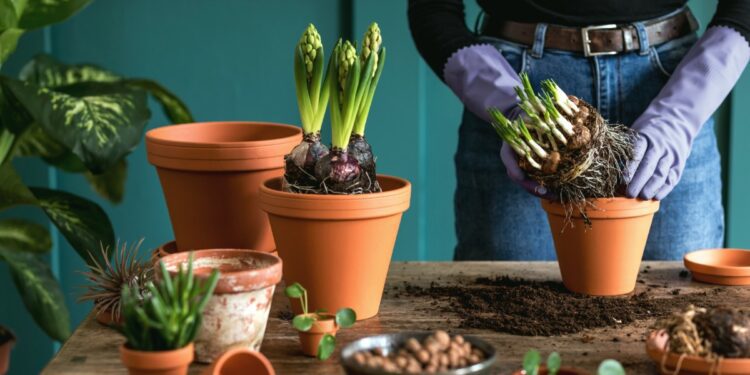
Some people need quiet time to reset. Solo hobbies create space for reflection without social pressure. Reading nonfiction books expands knowledge while keeping the mind engaged. Gardening requires steady care and attention to detail. You monitor soil, water plants, and track growth over weeks. These routines anchor daily life and reduce sudden spikes in worry.
Social Hobbies That Build Support
Supportive communities play a key role in anxiety management. Group hobbies encourage accountability and shared progress. You can join a book club, running group, or art workshop. Conversation flows around the activity instead of personal fears. Members celebrate milestones and offer constructive feedback. Positive interaction strengthens communication skills and reduces isolation.
Choosing the right hobby to help your anxiety requires honest reflection. You should assess your energy level, schedule, and current stressors. Start small and commit to short sessions each week. Track how you feel before and after each activity. If a hobby increases frustration, adjust the difficulty or try another option.
Consistency matters more than intensity. Over time, steady practice trains your brain to expect focus instead of fear. Hobbies do not replace professional care, yet they strengthen coping skills and expand daily satisfaction. With patience and experimentation, you can build a balanced routine that supports long term mental health.