












Sunday, January 18, 2026
ISSN 2765-8767
  • Survey
  • Podcast
  • Write for Us
  • My Account
  • Log In
Daily Remedy
  • Home
  • Articles
  • Podcasts
    Your Body, Your Health Care: A Conversation with Dr. Jeffrey Singer

    Your Body, Your Health Care: A Conversation with Dr. Jeffrey Singer

    July 1, 2025

    The cost structure of hospitals nearly doubles

    July 1, 2025
    Navigating the Medical Licensing Maze

    The Fight Against Healthcare Fraud: Dr. Rafai’s Story

    April 8, 2025
    Navigating the Medical Licensing Maze

    Navigating the Medical Licensing Maze

    April 4, 2025
    The Alarming Truth About Health Insurance Denials

    The Alarming Truth About Health Insurance Denials

    February 3, 2025
    Telehealth in Turmoil

    The Importance of NIH Grants

    January 31, 2025
  • Surveys

    Surveys

    Patient Survey: Understanding Healthcare Consumerism

    Patient Survey: Understanding Healthcare Consumerism

    January 18, 2026
    Public Confidence in Proposed Changes to U.S. Vaccine Policy

    Public Confidence in Proposed Changes to U.S. Vaccine Policy

    January 3, 2026

    Survey Results

    Can you tell when your provider does not trust you?

    Can you tell when your provider does not trust you?

    January 18, 2026
    Do you believe national polls on health issues are accurate

    National health polls: trust in healthcare system accuracy?

    May 8, 2024
    Which health policy issues matter the most to Republican voters in the primaries?

    Which health policy issues matter the most to Republican voters in the primaries?

    May 14, 2024
    How strongly do you believe that you can tell when your provider does not trust you?

    How strongly do you believe that you can tell when your provider does not trust you?

    May 7, 2024
  • Courses
  • About Us
  • Contact us
  • Support Us
  • Official Learner
No Result
View All Result
  • Home
  • Articles
  • Podcasts
    Your Body, Your Health Care: A Conversation with Dr. Jeffrey Singer

    Your Body, Your Health Care: A Conversation with Dr. Jeffrey Singer

    July 1, 2025

    The cost structure of hospitals nearly doubles

    July 1, 2025
    Navigating the Medical Licensing Maze

    The Fight Against Healthcare Fraud: Dr. Rafai’s Story

    April 8, 2025
    Navigating the Medical Licensing Maze

    Navigating the Medical Licensing Maze

    April 4, 2025
    The Alarming Truth About Health Insurance Denials

    The Alarming Truth About Health Insurance Denials

    February 3, 2025
    Telehealth in Turmoil

    The Importance of NIH Grants

    January 31, 2025
  • Surveys

    Surveys

    Patient Survey: Understanding Healthcare Consumerism

    Patient Survey: Understanding Healthcare Consumerism

    January 18, 2026
    Public Confidence in Proposed Changes to U.S. Vaccine Policy

    Public Confidence in Proposed Changes to U.S. Vaccine Policy

    January 3, 2026

    Survey Results

    Can you tell when your provider does not trust you?

    Can you tell when your provider does not trust you?

    January 18, 2026
    Do you believe national polls on health issues are accurate

    National health polls: trust in healthcare system accuracy?

    May 8, 2024
    Which health policy issues matter the most to Republican voters in the primaries?

    Which health policy issues matter the most to Republican voters in the primaries?

    May 14, 2024
    How strongly do you believe that you can tell when your provider does not trust you?

    How strongly do you believe that you can tell when your provider does not trust you?

    May 7, 2024
  • Courses
  • About Us
  • Contact us
  • Support Us
  • Official Learner
No Result
View All Result
Daily Remedy
No Result
View All Result
Home Trends

How mRNA and DNA Vaccines Could Soon Treat Cancers, HIV, Autoimmune Disorders and Genetic Diseases

Daily Remedy by Daily Remedy
March 10, 2022
in Trends
0
How mRNA and DNA Vaccines Could Soon Treat Cancers, HIV, Autoimmune Disorders and Genetic Diseases

Deborah Fuller, University of Washington

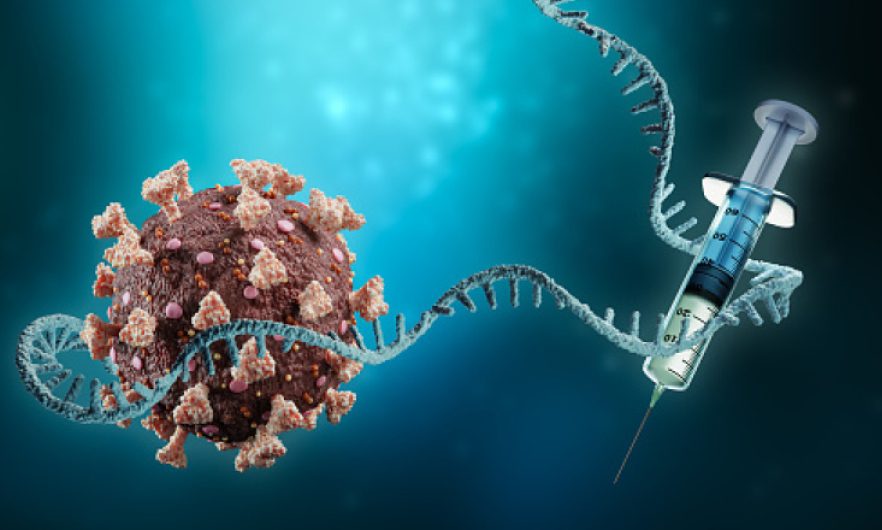
The two most successful coronavirus vaccines developed in the U.S. – the Pfizer and Moderna vaccines – are both mRNA vaccines. The idea of using genetic material to produce an immune response has opened up a world of research and potential medical uses far out of reach of traditional vaccines. Deborah Fuller is a microbiologist at the University of Washington who has been studying genetic vaccines for more than 20 years. We spoke to her about the future of mRNA vaccines for The Conversation Weekly podcast.

Below are excerpts from that conversation which have been edited for length and clarity.

How long have gene-based vaccines been in development?

This type of vaccine has been in the works for about 30 years. Nucleic acid vaccines are based on the idea that DNA makes RNA and then RNA makes proteins. For any given protein, once we know the genetic sequence or code, we can design an mRNA or DNA molecule that prompts a person’s cells to start making it.

When we first thought about this idea of putting a genetic code into somebody’s cells, we were studying both DNA and RNA. The mRNA vaccines did not work very well at first. They were unstable and they caused pretty strong immune responses that were not necessarily desirable. For a very long time DNA vaccines took the front seat, and the very first clinical trials were with a DNA vaccine.

But about seven or eight years ago, mRNA vaccines started to take the lead. Researchers solved a lot of the problems – notably the instability – and discovered new technologies to deliver mRNA into cells and ways of modifying the coding sequence to make the vaccines a lot more safe to use in humans.

Once those problems were solved, the technology was really poised to become a revolutionary tool for medicine. This was just when COVID-19 hit.
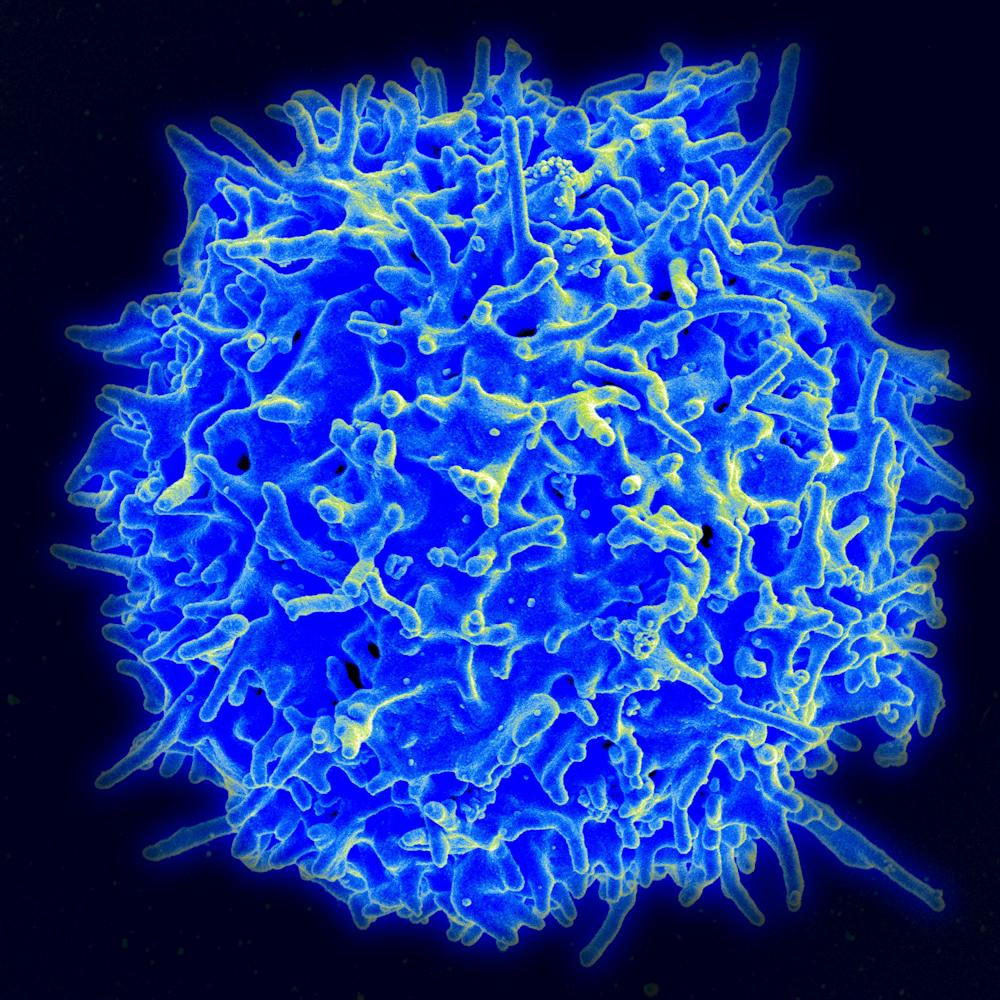
A scanning electron microscope image of blue lumpy sphere of a T cell.
DNA and mRNA vaccines are much better at producing T cells than are normal vaccines.
NIAID/NIH via Flickr

What makes nucleic acid vaccines different from traditional vaccines?

Most vaccines induce antibody responses. Antibodies are the primary immune mechanism that blocks infections. As we began to study nucleic acid vaccines, we discovered that because these vaccines are expressed within our cells, they were also very effective at inducing a T cell response. This discovery really prompted additional thinking about how researchers could use nucleic acid vaccines not just for infectious diseases, but also for immunotherapy to treat cancers and chronic infectious diseases – like HIV, hepatitis B and herpes – as well as autoimmune disorders and even for gene therapy.

How can a vaccine treat cancers or chronic infectious diseases?

T cell responses are very important for identifying cells infected with chronic diseases and aberrant cancer cells. They also play a big role in eliminating these cells from the body.

When a cell becomes cancerous, it starts producing neoantigens. In normal cases, the immune system detects these neoantigens, recognizes that something’s wrong with the cell and eliminates it. The reason some people get tumors is that their immune system isn’t quite capable of eliminating the tumor cells, so the cells propagate.

With an mRNA or DNA vaccine, the goal is to make your body better able to recognize the very specific neoantigens the cancer cell has produced. If your immune system can recognize and see those better, it will attack the cancer cells and eliminate them from the body.

This same strategy can be applied to the elimination of chronic infections like HIV, hepatitis B and herpes. These viruses infect the human body and stay in the body forever unless the immune system eliminates them. Similar to the way nucleic acid vaccines can train the immune system to eliminate cancer cells, they can be used to train our immune cells to recognize and eliminate chronically infected cells.
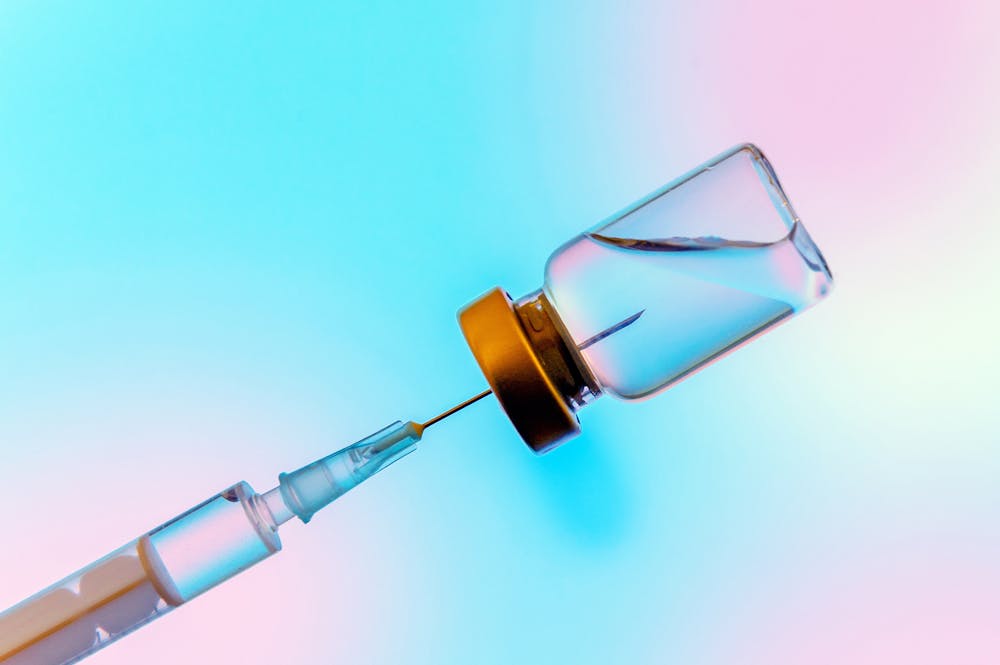
A syringe inserted into a vaccine vial.
There are dozens of ongoing trials testing the efficacy of mRNA or DNA vaccines to treat cancers or chronic diseases.
Stefan Cristian Cioata/Moment via Getty Images

What is the status of these vaccines?

Some of the very first clinical trials of nucleic acid vaccines happened in the 1990s and were for cancer, particularly for melanoma.

Today, there are a number of ongoing mRNA clinical trials for the treatment of melanoma, prostate cancer, ovarian cancer, breast cancer, leukemia, glioblastoma and others, and there have been some promising outcomes. Moderna recently announced promising results with its phase 1 trial using mRNA to treat solid tumors and lymphoma

There are also a lot of ongoing trials looking at cancer DNA vaccines, because DNA vaccines are particularly effective in inducing T cell responses. A company called Inovio recently demonstrated a significant impact on cervical cancer caused by human papilloma virus in women using a DNA vaccine.

Can nucleic acid vaccines treat autoimmune disorders?

Autoimmune disorders occur when a person’s immune cells are actually attacking a part of the person’s own body. An example of this is multiple sclerosis. If you have multiple sclerosis, your own immune cells are attacking myelin, a protein that coats the nerve cells in your muscles.

The way to eliminate an autoimmune disorder is to modulate your immune cells to prevent them from attacking your own proteins. In contrast to vaccines, whose goal is to stimulate the immune system to better recognize something, treatment for autoimmune diseases seeks to dampen the immune system so that it stops attacking something it shouldn’t. Recently, researchers created an mRNA vaccine encoding a myelin protein with slightly tweaked genetic instructions to prevent it from stimulating immune responses. Instead of activating normal T cells that increase immune responses, the vaccine caused the body to produce T regulatory cells that specifically suppressed only the T cells that were attacking myelin.
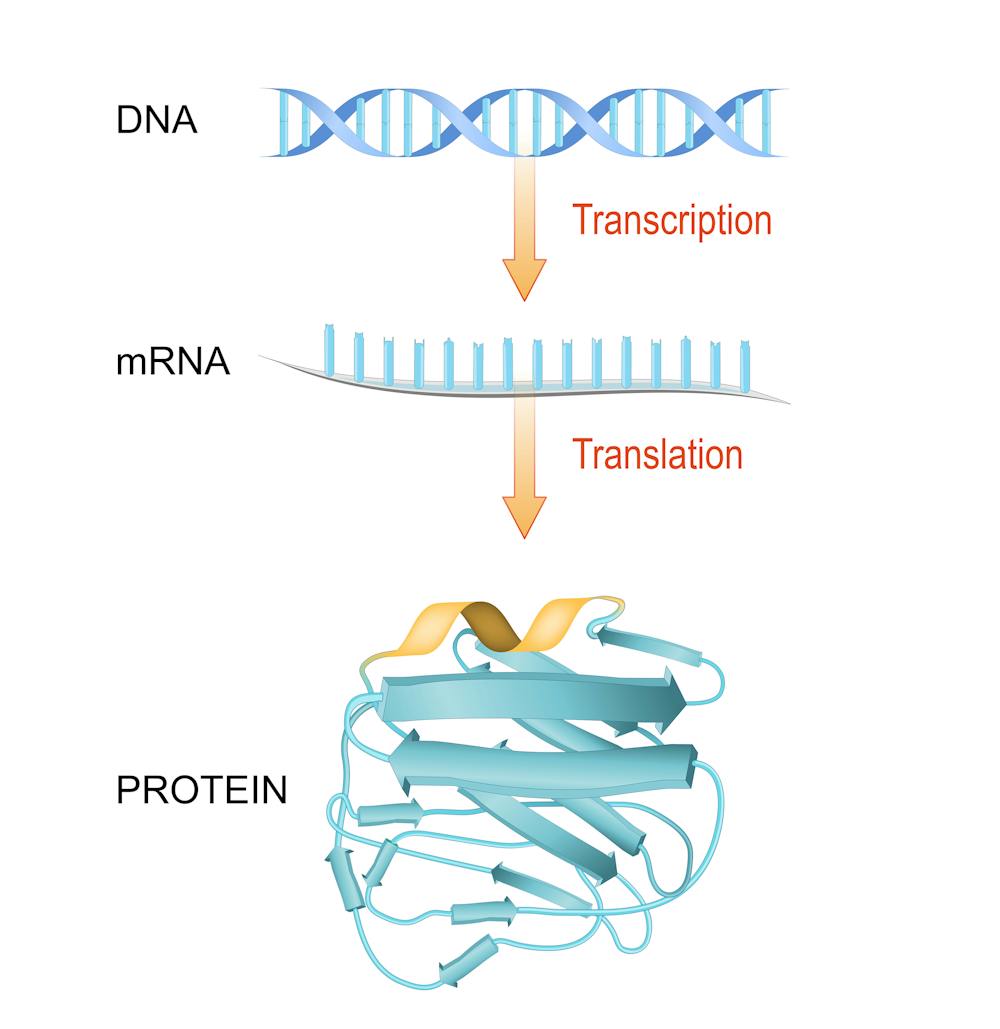
A diagram showing DNA turning into mRNA which turns into proteins.
Many diseases result when people have mutations or are missing certain genes, and nucleic acid vaccines could act as temporary replacements for the missing genes.
ttsz/iStock via Getty Images

Any other applications of the new vaccine technology?

The last application is actually one of the very first things that researchers thought about using DNA and mRNA vaccines for: gene therapy. Some people are born missing certain genes. The goal with gene therapy is to supply cells with the missing instructions they need to produce an important protein.

[Over 140,000 readers rely on The Conversation’s newsletters to understand the world. Sign up today.]

A great example of this is cystic fibrosis, a genetic disease caused by mutations in a single gene. Using DNA or an mRNA vaccine, researchers are investigating the feasibility of essentially replacing the missing gene and allowing someone’s body to transiently produce the missing protein. Once the protein is present, the symptoms could disappear, at least temporarily. The mRNA would not persist very long in the human body, nor would it integrate into people’s genomes or change the genome in any way. So additional doses would be needed as the effect wore off.

Research has shown that this concept is feasible, but it still needs some work.

Deborah Fuller, Professor of Microbiology, School of Medicine, University of Washington

This article is republished from The Conversation under a Creative Commons license. Read the original article.


ShareTweet
Daily Remedy

Daily Remedy

Dr. Jay K Joshi serves as the editor-in-chief of Daily Remedy. He is a serial entrepreneur and sought after thought-leader for matters related to healthcare innovation and medical jurisprudence. He has published articles on a variety of healthcare topics in both peer-reviewed journals and trade publications. His legal writings include amicus curiae briefs prepared for prominent federal healthcare cases.

Leave a Reply Cancel reply

Your email address will not be published. Required fields are marked *

Videos

Summary

In this episode of the Daily Remedy Podcast, the host delves into the evolving landscape of healthcare consumerism as we approach 2026. The discussion highlights how patients are increasingly becoming empowered consumers, driven by the rising costs and complexities of healthcare in America. The host emphasizes that this shift is not merely about convenience but about patients demanding transparency, trust, and agency in their healthcare decisions. With advancements in technology, particularly AI, patients are now equipped to compare prices, switch providers, and even self-diagnose, fundamentally altering the traditional patient-provider dynamic.

The conversation further explores the implications of this shift, noting that patients are seeking predictable pricing and upfront cost estimates, which are becoming essential in their healthcare experience. The host also discusses the role of technology in facilitating this change, enabling a more fluid relationship between patients and healthcare providers. As healthcare consumerism matures, the episode raises critical questions about the future of patient engagement and the collaborative model of care that is emerging, where decision-making is shared rather than dictated by healthcare professionals alone.

Takeaways

Patients are becoming empowered consumers in healthcare.
Healthcare consumerism is maturing into a demand for transparency and trust.
Technology is enabling patients to become strong economic actors.
Patients want predictable pricing and upfront cost estimates.
The shift towards collaborative decision-making is changing the healthcare landscape.

Chapters

00:00 Introduction to Healthcare Consumerism
01:46 The Rise of Patient Empowerment
04:31 Technology's Role in Healthcare Transformation
07:16 The Shift Towards Collaborative Decision-Making
09:44 Conclusion and Future Outlook
Healthcare Consumerism 2026: A New Era of Patient Empowerment
YouTube Video dcz8FQlhAog
Subscribe

Real Food Initiative

Clinical Reads

Analysis of the DHHS “Real Food” Initiative

Analysis of the DHHS “Real Food” Initiative

by Daily Remedy
January 18, 2026
0

EXECUTIVE SUMMARY The Department of Health and Human Services has launched a transformative public health initiative through the RealFood.gov platform, introducing revised Dietary Guidelines for Americans that represent a fundamental departure from decades of nutritional policy. This initiative, branded as "Eat Real Food," repositions whole, minimally processed foods as the cornerstone of American nutrition while explicitly challenging the role of ultra-processed foods in the national diet. The initiative arrives amid a stark public health landscape where 50% of Americans have...

Read more

Twitter Updates

Tweets by DailyRemedy1

Newsletter

Start your Daily Remedy journey

Cultivate your knowledge of current healthcare events and ensure you receive the most accurate, insightful healthcare news and editorials.

*we hate spam as much as you do

Popular

  • National Opioid Settlement Injunction

    National Opioid Settlement Injunction

    1 shares
    Share 0 Tweet 0
  • Modeling Patient Irrationality

    0 shares
    Share 0 Tweet 0
  • My Plight as an Abandoned Pain Patient

    0 shares
    Share 0 Tweet 0
  • Why I’m Running for the Arizona State Legislature

    3 shares
    Share 0 Tweet 0
  • When Tirzepatide is Indicated Instead of Semaglutide and When to Switch Between Them

    1 shares
    Share 0 Tweet 0
  • 628 Followers

Daily Remedy

Daily Remedy offers the best in healthcare information and healthcare editorial content. We take pride in consistently delivering only the highest quality of insight and analysis to ensure our audience is well-informed about current healthcare topics - beyond the traditional headlines.

Daily Remedy website services, content, and products are for informational purposes only. We do not provide medical advice, diagnosis, or treatment. All rights reserved.

Important Links

  • Support Us
  • About Us
  • Contact us
  • Privacy Policy
  • Terms and Conditions

Newsletter

Start your Daily Remedy journey

Cultivate your knowledge of current healthcare events and ensure you receive the most accurate, insightful healthcare news and editorials.

*we hate spam as much as you do

  • Survey
  • Podcast
  • About Us
  • Contact us

© 2026 Daily Remedy

No Result
View All Result
  • Home
  • Articles
  • Podcasts
  • Surveys
  • Courses
  • About Us
  • Contact us
  • Support Us
  • Official Learner

© 2026 Daily Remedy

Start your Daily Remedy journey

Cultivate your knowledge of current healthcare events and ensure you receive the most accurate, insightful healthcare news and editorials.

*we hate spam as much as you do
