













Monday, January 19, 2026
ISSN 2765-8767
  • Survey
  • Podcast
  • Write for Us
  • My Account
  • Log In
Daily Remedy
  • Home
  • Articles
  • Podcasts
    Your Body, Your Health Care: A Conversation with Dr. Jeffrey Singer

    Your Body, Your Health Care: A Conversation with Dr. Jeffrey Singer

    July 1, 2025

    The cost structure of hospitals nearly doubles

    July 1, 2025
    Navigating the Medical Licensing Maze

    The Fight Against Healthcare Fraud: Dr. Rafai’s Story

    April 8, 2025
    Navigating the Medical Licensing Maze

    Navigating the Medical Licensing Maze

    April 4, 2025
    The Alarming Truth About Health Insurance Denials

    The Alarming Truth About Health Insurance Denials

    February 3, 2025
    Telehealth in Turmoil

    The Importance of NIH Grants

    January 31, 2025
  • Surveys

    Surveys

    Patient Survey: Understanding Healthcare Consumerism

    Patient Survey: Understanding Healthcare Consumerism

    January 18, 2026
    Public Confidence in Proposed Changes to U.S. Vaccine Policy

    Public Confidence in Proposed Changes to U.S. Vaccine Policy

    January 3, 2026

    Survey Results

    Can you tell when your provider does not trust you?

    Can you tell when your provider does not trust you?

    January 18, 2026
    Do you believe national polls on health issues are accurate

    National health polls: trust in healthcare system accuracy?

    May 8, 2024
    Which health policy issues matter the most to Republican voters in the primaries?

    Which health policy issues matter the most to Republican voters in the primaries?

    May 14, 2024
    How strongly do you believe that you can tell when your provider does not trust you?

    How strongly do you believe that you can tell when your provider does not trust you?

    May 7, 2024
  • Courses
  • About Us
  • Contact us
  • Support Us
  • Official Learner
No Result
View All Result
  • Home
  • Articles
  • Podcasts
    Your Body, Your Health Care: A Conversation with Dr. Jeffrey Singer

    Your Body, Your Health Care: A Conversation with Dr. Jeffrey Singer

    July 1, 2025

    The cost structure of hospitals nearly doubles

    July 1, 2025
    Navigating the Medical Licensing Maze

    The Fight Against Healthcare Fraud: Dr. Rafai’s Story

    April 8, 2025
    Navigating the Medical Licensing Maze

    Navigating the Medical Licensing Maze

    April 4, 2025
    The Alarming Truth About Health Insurance Denials

    The Alarming Truth About Health Insurance Denials

    February 3, 2025
    Telehealth in Turmoil

    The Importance of NIH Grants

    January 31, 2025
  • Surveys

    Surveys

    Patient Survey: Understanding Healthcare Consumerism

    Patient Survey: Understanding Healthcare Consumerism

    January 18, 2026
    Public Confidence in Proposed Changes to U.S. Vaccine Policy

    Public Confidence in Proposed Changes to U.S. Vaccine Policy

    January 3, 2026

    Survey Results

    Can you tell when your provider does not trust you?

    Can you tell when your provider does not trust you?

    January 18, 2026
    Do you believe national polls on health issues are accurate

    National health polls: trust in healthcare system accuracy?

    May 8, 2024
    Which health policy issues matter the most to Republican voters in the primaries?

    Which health policy issues matter the most to Republican voters in the primaries?

    May 14, 2024
    How strongly do you believe that you can tell when your provider does not trust you?

    How strongly do you believe that you can tell when your provider does not trust you?

    May 7, 2024
  • Courses
  • About Us
  • Contact us
  • Support Us
  • Official Learner
No Result
View All Result
Daily Remedy
No Result
View All Result
Home Politics & Law

A Pact Amidst Power Plays: The WHO’s Pandemic Agreement and the Fragile Balance Between Sovereignty and Solidarity

Can international cooperation overcome geopolitical fractures in the fight against future pandemics?

Kumar Ramalingam by Kumar Ramalingam
June 4, 2025
in Politics & Law
0

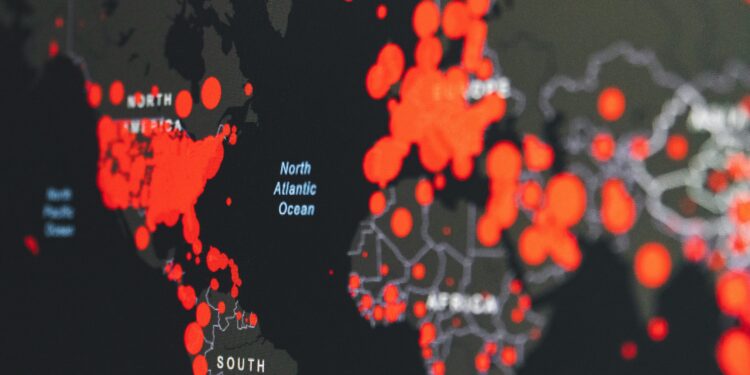
In a historic moment steeped in symbolism and surrounded by palpable tension, the World Health Organization (WHO) adopted its first-ever legally binding Pandemic Agreement on May 20, 2025, in Geneva. With 124 member states affirming their commitment, the agreement’s passage marked a critical juncture in global health governance. Yet, even as delegates exchanged congratulations and handshakes, an underlying tension lingered—would geopolitical rivalries and sovereignty anxieties derail the noble aims of international solidarity?

Since its inception, the WHO has grappled with the complex dynamics of global cooperation amid national self-interest. The COVID-19 pandemic starkly revealed these tensions, laying bare the limitations of existing frameworks for equitable vaccine distribution, information sharing, and coordinated responses. The new Pandemic Agreement, born from these harsh lessons, seeks to rectify these gaps, enforcing shared responsibility while respecting national autonomy—a delicate dance at the intersection of geopolitics and international health policy.

Drafted over nearly four years of arduous negotiation and countless revisions, the treaty compels countries to swiftly share pathogen data, maintain readiness through periodic system stress-tests, and crucially, guarantee equitable access to vaccines and therapeutics during future global health emergencies. Central to the accord is a provision mandating that 20% of manufactured vaccines, treatments, and diagnostic tools be allocated to WHO-coordinated distribution networks, with half of these supplies earmarked for free delivery to lower-income countries. This ambitious clause underscores a commitment to rectify the catastrophic inequities observed during the COVID-19 pandemic.

However, the ratification process exposed deeper geopolitical fault lines. Notably absent were the United States and Argentina, both currently navigating withdrawals from the WHO, citing issues of national autonomy and governance concerns. This absence underscored a crucial tension: the balance between state sovereignty and the collective international good. Critics within absent countries argue the agreement infringes on domestic policymaking and potentially exposes proprietary information and innovations to international scrutiny. Proponents counter that pandemics, by nature, ignore borders and sovereignty, arguing vehemently that true security can only come from collective action.

Indeed, the debate extends well beyond health policy, reflecting broader geopolitical maneuvers. China, Russia, and the European Union actively participated, signaling willingness to cede limited aspects of sovereignty in exchange for global stability and health security. Yet, Poland, Italy, and Israel abstained, highlighting specific reservations about border control autonomy, intellectual property protections, and the extent of required data-sharing. The Polish delegation, for instance, voiced concern that mandated transparency might weaken their strategic position during crises, emphasizing the perpetual friction between openness and security.

The treaty also introduces innovative accountability measures intended to reinforce trust through transparency. A newly created independent compliance committee will routinely assess member states’ adherence, publishing public scorecards designed to encourage peer accountability rather than enforce punitive measures. This “soft” compliance mechanism, however, has skeptics questioning whether diplomatic peer pressure alone can ensure sustained cooperation when crises inevitably test national resolve.

Financial commitments further illustrate the complexities involved. The WHO estimates approximately $31 billion annually is needed to maintain robust global preparedness infrastructure, far exceeding current pledges. Discussions have proposed financing mechanisms such as levies on international air travel or digital transactions. Yet, the viability of these measures remains uncertain amid growing nationalistic economic policies and public fatigue over pandemic-related expenditures.

From a geopolitical standpoint, the agreement’s success hinges significantly on regional powers and emerging economies’ willingness to invest heavily in local production capacities. Lessons from the COVID-19 pandemic indicate that reliance on a handful of global vaccine production hubs led to profound inequities, reinforcing calls for decentralized manufacturing capabilities. The EU and Africa, through collaborations establishing mRNA vaccine hubs in Rwanda and South Africa, exemplify early promising efforts to correct such structural inequities, suggesting that robust regional coalitions might serve as a model for the treaty’s practical application.

Yet, the elephant in the diplomatic room remains: Can international cooperation hold firm in a world increasingly defined by nationalistic impulses and realpolitik? Historical precedents such as the Paris Climate Accord and the Framework Convention on Tobacco Control suggest mixed results. These agreements provide structural blueprints for action but rely heavily on voluntary adherence and diplomatic goodwill. The Pandemic Agreement’s architects have learned from these examples, embedding periodic review mechanisms that allow for iterative improvements—a pragmatic nod to the incremental nature of multilateral progress.

Ultimately, the Pandemic Agreement represents both a triumph of multilateralism and a stark reminder of its inherent fragility. Its adoption, while historic, initiates rather than concludes the complex work of global health governance. Whether this treaty proves to be a transformative tool or merely a symbolic gesture depends largely on the evolving interplay between geopolitics and public health imperatives.

In concluding remarks at the Geneva summit, WHO Director-General Dr. Tedros Adhanom Ghebreyesus encapsulated the cautious optimism of the moment, stating, “Today, solidarity prevailed—but tomorrow’s test will reveal if sovereignty can accommodate it.” As nations return home to begin implementation, the world watches closely, hopeful yet wary, knowing that history’s verdict on the Pandemic Agreement will hinge on whether nations prioritize collective survival over short-term national interests.

For now, optimism remains guarded, tempered by awareness of the precarious balance between sovereignty and solidarity that defines international health policy. The Pandemic Agreement, undeniably ambitious, now faces its greatest test: proving in practice what it so boldly proclaims on paper.


ShareTweet
Kumar Ramalingam

Kumar Ramalingam

Kumar Ramalingam is a writer focused on the intersection of science, health, and policy, translating complex issues into accessible insights.

Leave a Reply Cancel reply

Your email address will not be published. Required fields are marked *

Videos

Summary

In this episode of the Daily Remedy Podcast, the host delves into the evolving landscape of healthcare consumerism as we approach 2026. The discussion highlights how patients are increasingly becoming empowered consumers, driven by the rising costs and complexities of healthcare in America. The host emphasizes that this shift is not merely about convenience but about patients demanding transparency, trust, and agency in their healthcare decisions. With advancements in technology, particularly AI, patients are now equipped to compare prices, switch providers, and even self-diagnose, fundamentally altering the traditional patient-provider dynamic.

The conversation further explores the implications of this shift, noting that patients are seeking predictable pricing and upfront cost estimates, which are becoming essential in their healthcare experience. The host also discusses the role of technology in facilitating this change, enabling a more fluid relationship between patients and healthcare providers. As healthcare consumerism matures, the episode raises critical questions about the future of patient engagement and the collaborative model of care that is emerging, where decision-making is shared rather than dictated by healthcare professionals alone.

Takeaways

Patients are becoming empowered consumers in healthcare.
Healthcare consumerism is maturing into a demand for transparency and trust.
Technology is enabling patients to become strong economic actors.
Patients want predictable pricing and upfront cost estimates.
The shift towards collaborative decision-making is changing the healthcare landscape.

Chapters

00:00 Introduction to Healthcare Consumerism
01:46 The Rise of Patient Empowerment
04:31 Technology's Role in Healthcare Transformation
07:16 The Shift Towards Collaborative Decision-Making
09:44 Conclusion and Future Outlook
Healthcare Consumerism 2026: A New Era of Patient Empowerment
YouTube Video dcz8FQlhAog
Subscribe

Real Food Initiative

Clinical Reads

Analysis of the DHHS “Real Food” Initiative

Analysis of the DHHS “Real Food” Initiative

by Daily Remedy
January 18, 2026
0

EXECUTIVE SUMMARY The Department of Health and Human Services has launched a transformative public health initiative through the RealFood.gov platform, introducing revised Dietary Guidelines for Americans that represent a fundamental departure from decades of nutritional policy. This initiative, branded as "Eat Real Food," repositions whole, minimally processed foods as the cornerstone of American nutrition while explicitly challenging the role of ultra-processed foods in the national diet. The initiative arrives amid a stark public health landscape where 50% of Americans have...

Read more

Twitter Updates

Tweets by DailyRemedy1

Newsletter

Start your Daily Remedy journey

Cultivate your knowledge of current healthcare events and ensure you receive the most accurate, insightful healthcare news and editorials.

*we hate spam as much as you do

Popular

  • Modeling Patient Irrationality

    Modeling Patient Irrationality

    0 shares
    Share 0 Tweet 0
  • National Opioid Settlement Injunction

    1 shares
    Share 0 Tweet 0
  • A Two Headed Monster – State Attorneys General and the Drug Enforcement Agency

    3 shares
    Share 0 Tweet 0
  • My Plight as an Abandoned Pain Patient

    0 shares
    Share 0 Tweet 0
  • Why I’m Running for the Arizona State Legislature

    3 shares
    Share 0 Tweet 0
  • 628 Followers

Daily Remedy

Daily Remedy offers the best in healthcare information and healthcare editorial content. We take pride in consistently delivering only the highest quality of insight and analysis to ensure our audience is well-informed about current healthcare topics - beyond the traditional headlines.

Daily Remedy website services, content, and products are for informational purposes only. We do not provide medical advice, diagnosis, or treatment. All rights reserved.

Important Links

  • Support Us
  • About Us
  • Contact us
  • Privacy Policy
  • Terms and Conditions

Newsletter

Start your Daily Remedy journey

Cultivate your knowledge of current healthcare events and ensure you receive the most accurate, insightful healthcare news and editorials.

*we hate spam as much as you do

  • Survey
  • Podcast
  • About Us
  • Contact us

© 2026 Daily Remedy

No Result
View All Result
  • Home
  • Articles
  • Podcasts
  • Surveys
  • Courses
  • About Us
  • Contact us
  • Support Us
  • Official Learner

© 2026 Daily Remedy

Start your Daily Remedy journey

Cultivate your knowledge of current healthcare events and ensure you receive the most accurate, insightful healthcare news and editorials.

*we hate spam as much as you do