













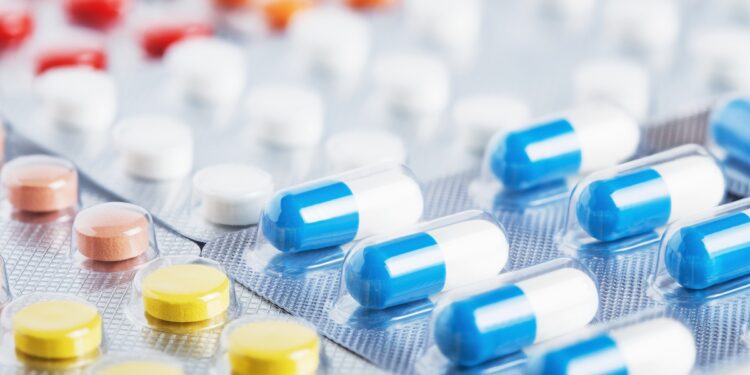
The packaging that holds medications is a component of patient safety. It’s responsible for protecting products from tampering, contamination, and degradation.
As technology advances, emerging solutions meet these demands with greater efficiency and reliability. Learn about the innovations making pharmaceutical packaging safer.
Smart Packaging for Verification
Counterfeit drugs pose a serious threat to public health, and advanced packaging technologies provide new lines of defense. Smart labels, which incorporate near-field communication (NFC) or radio-frequency identification (RFID) tags, are a direct way for suppliers and patients to verify a product’s authenticity. Scanning the label will confirm a drug’s origin and track its journey through the supply chain.
Tamper-Evident Features
Another key development is the use of tamper-evident features. These designs make it immediately obvious if a package has been opened or compromised before reaching the consumer. The features build confidence and provide an essential layer of security for patients who depend on the purity of their medications.
Advanced Barrier Materials
Protecting a drug from environmental factors like moisture, oxygen, and light is fundamental to its effectiveness. New high-barrier films and materials offer superior protection compared to traditional options. These materials extend the shelf life of sensitive medications and maintain their chemical stability. For example, cold-form foil provides a near-complete barrier against water and vapor, making it ideal for drugs sold in humid climates.
Automated Sealing Processes
Automated systems play a major part in leveraging protective materials. Horizontal form-fill-seal or HFFS machines benefit the pharmaceutical industry because they protect the contents from moisture and contamination. They create, fill, and seal packages in one continuous, sterile process. Automation minimizes human contact, reducing the risk of errors and creating a highly controlled packaging environment for sensitive products.
Patient-Centric Design
Innovations are also benefiting the end-user experience, particularly for elderly patients or those with chronic conditions. New packaging includes features designed for easier handling and improved adherence to medication schedules. Examples of these improvements include:
- Dose-reminder functions are integrated directly into the packaging.
- Easy-to-open designs for individuals with limited dexterity.
- Clearer labeling and larger font sizes to improve readability.
The Future of Medicine
The evolution of pharmaceutical packaging is constant, responding to new challenges with smarter and more secure solutions. From digital verification to advanced materials and user-focused designs, these innovations are making pharmaceutical packaging safer by protecting the product and the patient.



