












Thursday, March 19, 2026
ISSN 2765-8767
  • Survey
  • Podcast
  • Write for Us
  • My Account
  • Log In
Daily Remedy
  • Home
  • Articles
  • Podcasts
    The Impact of COVID-19 on Patient Trust

    The Impact of COVID-19 on Patient Trust

    March 3, 2026
    Debunking Myths About GLP-1 Medications

    Debunking Myths About GLP-1 Medications

    February 16, 2026
    The Future of LLMs in Healthcare

    The Future of LLMs in Healthcare

    January 26, 2026
    The Future of Healthcare Consumerism

    The Future of Healthcare Consumerism

    January 22, 2026
    Your Body, Your Health Care: A Conversation with Dr. Jeffrey Singer

    Your Body, Your Health Care: A Conversation with Dr. Jeffrey Singer

    July 1, 2025

    The cost structure of hospitals nearly doubles

    July 1, 2025
  • Surveys

    Surveys

    Public Sentiment on the Future of Peptides and Hormone Therapies in U.S. Medicine

    Public Sentiment on the Future of Peptides and Hormone Therapies in U.S. Medicine

    March 17, 2026
    Perceptions of Viral Wellness Practices on Social Media: A Likert-Scale Survey for Informed Readers

    Perceptions of Viral Wellness Practices on Social Media: A Likert-Scale Survey for Informed Readers

    March 1, 2026

    Survey Results

    Can you tell when your provider does not trust you?

    Can you tell when your provider does not trust you?

    January 18, 2026
    Do you believe national polls on health issues are accurate

    National health polls: trust in healthcare system accuracy?

    May 8, 2024
    Which health policy issues matter the most to Republican voters in the primaries?

    Which health policy issues matter the most to Republican voters in the primaries?

    May 14, 2024
    How strongly do you believe that you can tell when your provider does not trust you?

    How strongly do you believe that you can tell when your provider does not trust you?

    May 7, 2024
  • Courses
  • About Us
  • Contact us
  • Support Us
  • Official Learner
No Result
View All Result
  • Home
  • Articles
  • Podcasts
    The Impact of COVID-19 on Patient Trust

    The Impact of COVID-19 on Patient Trust

    March 3, 2026
    Debunking Myths About GLP-1 Medications

    Debunking Myths About GLP-1 Medications

    February 16, 2026
    The Future of LLMs in Healthcare

    The Future of LLMs in Healthcare

    January 26, 2026
    The Future of Healthcare Consumerism

    The Future of Healthcare Consumerism

    January 22, 2026
    Your Body, Your Health Care: A Conversation with Dr. Jeffrey Singer

    Your Body, Your Health Care: A Conversation with Dr. Jeffrey Singer

    July 1, 2025

    The cost structure of hospitals nearly doubles

    July 1, 2025
  • Surveys

    Surveys

    Public Sentiment on the Future of Peptides and Hormone Therapies in U.S. Medicine

    Public Sentiment on the Future of Peptides and Hormone Therapies in U.S. Medicine

    March 17, 2026
    Perceptions of Viral Wellness Practices on Social Media: A Likert-Scale Survey for Informed Readers

    Perceptions of Viral Wellness Practices on Social Media: A Likert-Scale Survey for Informed Readers

    March 1, 2026

    Survey Results

    Can you tell when your provider does not trust you?

    Can you tell when your provider does not trust you?

    January 18, 2026
    Do you believe national polls on health issues are accurate

    National health polls: trust in healthcare system accuracy?

    May 8, 2024
    Which health policy issues matter the most to Republican voters in the primaries?

    Which health policy issues matter the most to Republican voters in the primaries?

    May 14, 2024
    How strongly do you believe that you can tell when your provider does not trust you?

    How strongly do you believe that you can tell when your provider does not trust you?

    May 7, 2024
  • Courses
  • About Us
  • Contact us
  • Support Us
  • Official Learner
No Result
View All Result
Daily Remedy
No Result
View All Result
Home Trends

How mRNA and DNA Vaccines Could Soon Treat Cancers, HIV, Autoimmune Disorders and Genetic Diseases

Daily Remedy by Daily Remedy
March 10, 2022
in Trends
0
How mRNA and DNA Vaccines Could Soon Treat Cancers, HIV, Autoimmune Disorders and Genetic Diseases

Deborah Fuller, University of Washington

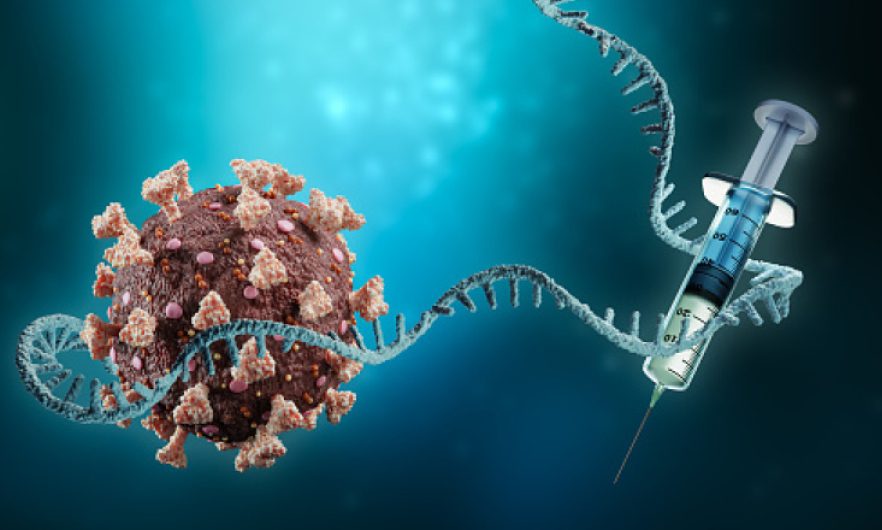
The two most successful coronavirus vaccines developed in the U.S. – the Pfizer and Moderna vaccines – are both mRNA vaccines. The idea of using genetic material to produce an immune response has opened up a world of research and potential medical uses far out of reach of traditional vaccines. Deborah Fuller is a microbiologist at the University of Washington who has been studying genetic vaccines for more than 20 years. We spoke to her about the future of mRNA vaccines for The Conversation Weekly podcast.

Below are excerpts from that conversation which have been edited for length and clarity.

How long have gene-based vaccines been in development?

This type of vaccine has been in the works for about 30 years. Nucleic acid vaccines are based on the idea that DNA makes RNA and then RNA makes proteins. For any given protein, once we know the genetic sequence or code, we can design an mRNA or DNA molecule that prompts a person’s cells to start making it.

When we first thought about this idea of putting a genetic code into somebody’s cells, we were studying both DNA and RNA. The mRNA vaccines did not work very well at first. They were unstable and they caused pretty strong immune responses that were not necessarily desirable. For a very long time DNA vaccines took the front seat, and the very first clinical trials were with a DNA vaccine.

But about seven or eight years ago, mRNA vaccines started to take the lead. Researchers solved a lot of the problems – notably the instability – and discovered new technologies to deliver mRNA into cells and ways of modifying the coding sequence to make the vaccines a lot more safe to use in humans.

Once those problems were solved, the technology was really poised to become a revolutionary tool for medicine. This was just when COVID-19 hit.
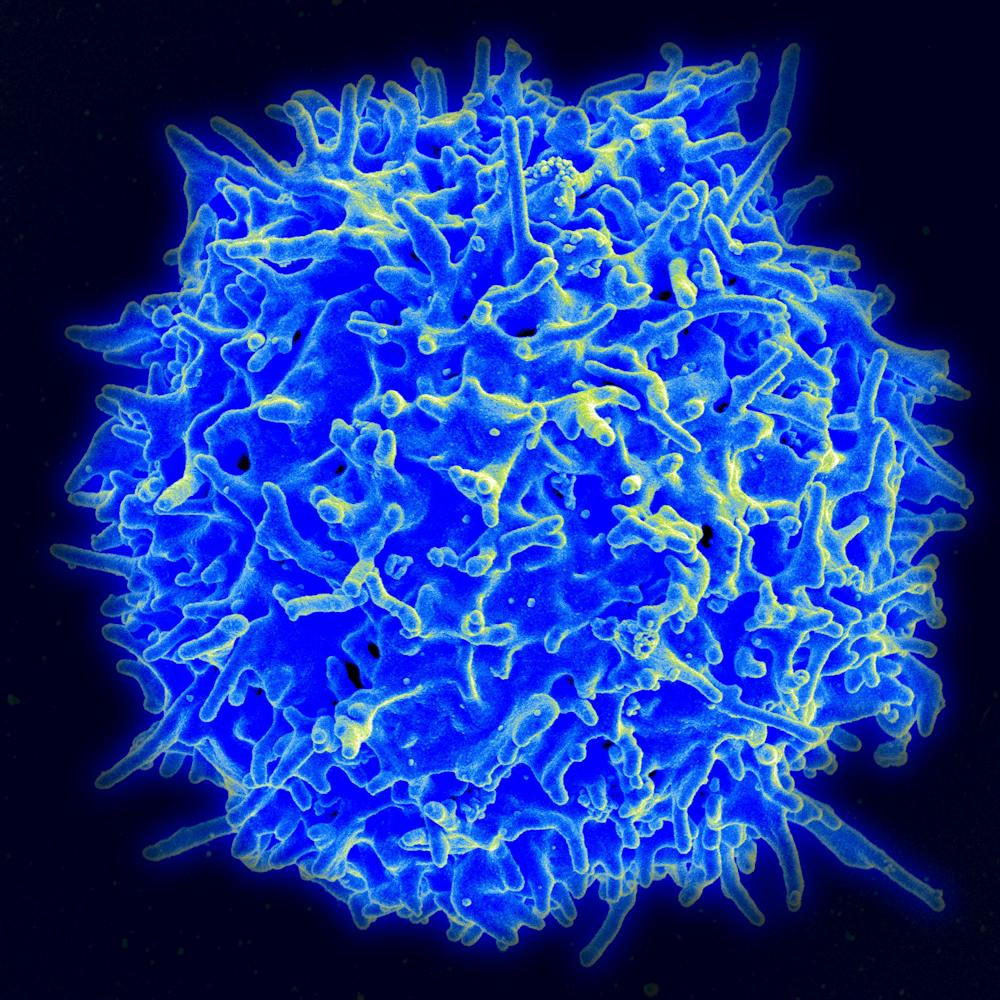
A scanning electron microscope image of blue lumpy sphere of a T cell.
DNA and mRNA vaccines are much better at producing T cells than are normal vaccines.
NIAID/NIH via Flickr

What makes nucleic acid vaccines different from traditional vaccines?

Most vaccines induce antibody responses. Antibodies are the primary immune mechanism that blocks infections. As we began to study nucleic acid vaccines, we discovered that because these vaccines are expressed within our cells, they were also very effective at inducing a T cell response. This discovery really prompted additional thinking about how researchers could use nucleic acid vaccines not just for infectious diseases, but also for immunotherapy to treat cancers and chronic infectious diseases – like HIV, hepatitis B and herpes – as well as autoimmune disorders and even for gene therapy.

How can a vaccine treat cancers or chronic infectious diseases?

T cell responses are very important for identifying cells infected with chronic diseases and aberrant cancer cells. They also play a big role in eliminating these cells from the body.

When a cell becomes cancerous, it starts producing neoantigens. In normal cases, the immune system detects these neoantigens, recognizes that something’s wrong with the cell and eliminates it. The reason some people get tumors is that their immune system isn’t quite capable of eliminating the tumor cells, so the cells propagate.

With an mRNA or DNA vaccine, the goal is to make your body better able to recognize the very specific neoantigens the cancer cell has produced. If your immune system can recognize and see those better, it will attack the cancer cells and eliminate them from the body.

This same strategy can be applied to the elimination of chronic infections like HIV, hepatitis B and herpes. These viruses infect the human body and stay in the body forever unless the immune system eliminates them. Similar to the way nucleic acid vaccines can train the immune system to eliminate cancer cells, they can be used to train our immune cells to recognize and eliminate chronically infected cells.

A syringe inserted into a vaccine vial.
There are dozens of ongoing trials testing the efficacy of mRNA or DNA vaccines to treat cancers or chronic diseases.
Stefan Cristian Cioata/Moment via Getty Images

What is the status of these vaccines?

Some of the very first clinical trials of nucleic acid vaccines happened in the 1990s and were for cancer, particularly for melanoma.

Today, there are a number of ongoing mRNA clinical trials for the treatment of melanoma, prostate cancer, ovarian cancer, breast cancer, leukemia, glioblastoma and others, and there have been some promising outcomes. Moderna recently announced promising results with its phase 1 trial using mRNA to treat solid tumors and lymphoma

There are also a lot of ongoing trials looking at cancer DNA vaccines, because DNA vaccines are particularly effective in inducing T cell responses. A company called Inovio recently demonstrated a significant impact on cervical cancer caused by human papilloma virus in women using a DNA vaccine.

Can nucleic acid vaccines treat autoimmune disorders?

Autoimmune disorders occur when a person’s immune cells are actually attacking a part of the person’s own body. An example of this is multiple sclerosis. If you have multiple sclerosis, your own immune cells are attacking myelin, a protein that coats the nerve cells in your muscles.

The way to eliminate an autoimmune disorder is to modulate your immune cells to prevent them from attacking your own proteins. In contrast to vaccines, whose goal is to stimulate the immune system to better recognize something, treatment for autoimmune diseases seeks to dampen the immune system so that it stops attacking something it shouldn’t. Recently, researchers created an mRNA vaccine encoding a myelin protein with slightly tweaked genetic instructions to prevent it from stimulating immune responses. Instead of activating normal T cells that increase immune responses, the vaccine caused the body to produce T regulatory cells that specifically suppressed only the T cells that were attacking myelin.
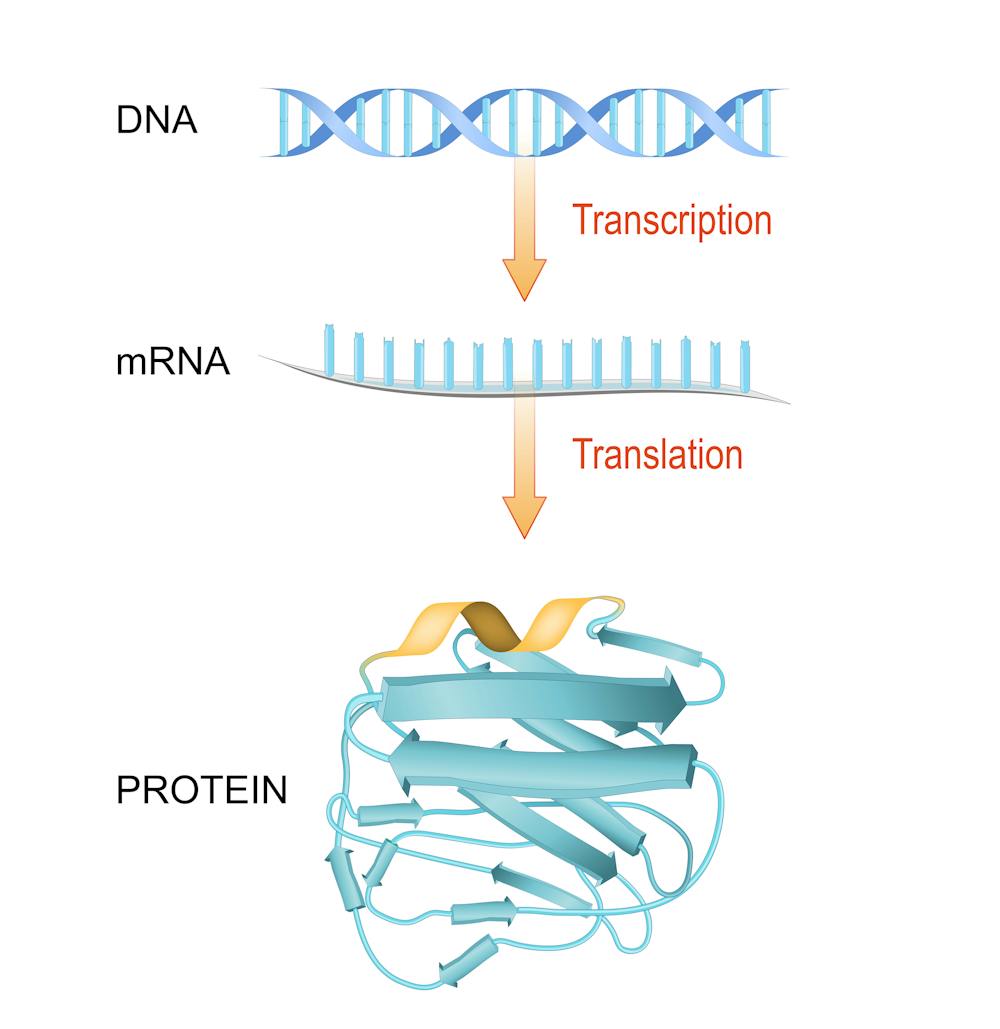
A diagram showing DNA turning into mRNA which turns into proteins.
Many diseases result when people have mutations or are missing certain genes, and nucleic acid vaccines could act as temporary replacements for the missing genes.
ttsz/iStock via Getty Images

Any other applications of the new vaccine technology?

The last application is actually one of the very first things that researchers thought about using DNA and mRNA vaccines for: gene therapy. Some people are born missing certain genes. The goal with gene therapy is to supply cells with the missing instructions they need to produce an important protein.

[Over 140,000 readers rely on The Conversation’s newsletters to understand the world. Sign up today.]

A great example of this is cystic fibrosis, a genetic disease caused by mutations in a single gene. Using DNA or an mRNA vaccine, researchers are investigating the feasibility of essentially replacing the missing gene and allowing someone’s body to transiently produce the missing protein. Once the protein is present, the symptoms could disappear, at least temporarily. The mRNA would not persist very long in the human body, nor would it integrate into people’s genomes or change the genome in any way. So additional doses would be needed as the effect wore off.

Research has shown that this concept is feasible, but it still needs some work.

Deborah Fuller, Professor of Microbiology, School of Medicine, University of Washington

This article is republished from The Conversation under a Creative Commons license. Read the original article.


ShareTweet
Daily Remedy

Daily Remedy

Dr. Jay K Joshi serves as the editor-in-chief of Daily Remedy. He is a serial entrepreneur and sought after thought-leader for matters related to healthcare innovation and medical jurisprudence. He has published articles on a variety of healthcare topics in both peer-reviewed journals and trade publications. His legal writings include amicus curiae briefs prepared for prominent federal healthcare cases.

Leave a Reply Cancel reply

Your email address will not be published. Required fields are marked *

Videos

summary

This episode explores deceptive pricing strategies in the GLP-1 medication market, highlighting how healthcare consumerism influences patient decisions and how to recognize and protect against misleading practices.

 key  topics

Deceptive pricing strategies in healthcare
The role of brand perception and pricing manipulation
The concept of drip pricing and hidden costs
The rise of healthcare consumerism and patient agency
Strategies for patients to identify and avoid deceptive practices

Chapters

00:00 The Evolution of the GLP-1 Telemedicine Market
01:12 How Pricing Is Obscured and Perceived Discounts Are Created
02:11 TrumpRx: Coupon Aggregator or Discount Store?
03:12 Why Price Deception Thrives in Healthcare
04:12 The Membership Fee Illusion and Hidden Costs
05:10 Brand Recognition and Drip Pricing Strategies
06:17 The Impact of Brand and Anchor Pricing on Perceived Value
07:16 The Role of Price Drip Strategies in Healthcare Pricing
08:15 The Rise of Healthcare Consumerism and Patient Agency
09:14 How to Protect Yourself from Deceptive Pricing Practices
10:09 Conclusion: Empowering Patients in a Complex Pricing Landscape
Unmasking Deceptive Pricing in Healthcare: What Patients Need to Know
YouTube Video zZgo1nLZVrY
Subscribe

Policy Shift in Peptide Regulation

Clinical Reads

GLP-1 Drugs Have Moved Past Weight Loss. Medicine Has Not Fully Caught Up.

Glucagon-Like Peptide–Based Therapies and Longevity: Clinical Implications from Emerging Evidence

by Daily Remedy
March 1, 2026
0

Glucagon-like peptide–based therapies are increasingly used for weight management and glycemic control, but their potential impact on long-term survival remains uncertain. The clinical question addressed in this report is whether treatment with glucagon-like peptide receptor agonists is associated with reductions in all-cause mortality and age-related morbidity beyond their established metabolic effects. This question matters because these agents are now prescribed across broad patient populations, including individuals without diabetes, and long-term exposure may influence cardiovascular, oncologic, and neurodegenerative outcomes. Understanding whether...

Read more

Join Our Newsletter!

Twitter Updates

Tweets by TheDailyRemedy

Popular

  • A Call to Action for Pain Patients and Advocates

    A Call to Action for Pain Patients and Advocates

    1 shares
    Share 0 Tweet 0
  • Healthcare’s Logistics Push

    0 shares
    Share 0 Tweet 0
  • America’s Medical Civil War

    0 shares
    Share 0 Tweet 0
  • Retatrutide and the Acceleration of Metabolic Medicine

    0 shares
    Share 0 Tweet 0
  • The Quiet Complexity of Shared Decision‑Making

    0 shares
    Share 0 Tweet 0
  • 628 Followers

Daily Remedy

Daily Remedy offers the best in healthcare information and healthcare editorial content. We take pride in consistently delivering only the highest quality of insight and analysis to ensure our audience is well-informed about current healthcare topics - beyond the traditional headlines.

Daily Remedy website services, content, and products are for informational purposes only. We do not provide medical advice, diagnosis, or treatment. All rights reserved.

Important Links

  • Support Us
  • About Us
  • Contact us
  • Privacy Policy
  • Terms and Conditions

Join Our Newsletter!

  • Survey
  • Podcast
  • About Us
  • Contact us

© 2026 Daily Remedy

No Result
View All Result
  • Home
  • Articles
  • Podcasts
  • Surveys
  • Courses
  • About Us
  • Contact us
  • Support Us
  • Official Learner

© 2026 Daily Remedy
