













Sunday, February 8, 2026
ISSN 2765-8767
  • Survey
  • Podcast
  • Write for Us
  • My Account
  • Log In
Daily Remedy
  • Home
  • Articles
  • Podcasts
    The Future of LLMs in Healthcare

    The Future of LLMs in Healthcare

    January 26, 2026
    The Future of Healthcare Consumerism

    The Future of Healthcare Consumerism

    January 22, 2026
    Your Body, Your Health Care: A Conversation with Dr. Jeffrey Singer

    Your Body, Your Health Care: A Conversation with Dr. Jeffrey Singer

    July 1, 2025

    The cost structure of hospitals nearly doubles

    July 1, 2025
    Navigating the Medical Licensing Maze

    The Fight Against Healthcare Fraud: Dr. Rafai’s Story

    April 8, 2025
    Navigating the Medical Licensing Maze

    Navigating the Medical Licensing Maze

    April 4, 2025
  • Surveys

    Surveys

    AI in Healthcare Decision-Making

    AI in Healthcare Decision-Making

    February 1, 2026
    Patient Survey: Understanding Healthcare Consumerism

    Patient Survey: Understanding Healthcare Consumerism

    January 18, 2026

    Survey Results

    Can you tell when your provider does not trust you?

    Can you tell when your provider does not trust you?

    January 18, 2026
    Do you believe national polls on health issues are accurate

    National health polls: trust in healthcare system accuracy?

    May 8, 2024
    Which health policy issues matter the most to Republican voters in the primaries?

    Which health policy issues matter the most to Republican voters in the primaries?

    May 14, 2024
    How strongly do you believe that you can tell when your provider does not trust you?

    How strongly do you believe that you can tell when your provider does not trust you?

    May 7, 2024
  • Courses
  • About Us
  • Contact us
  • Support Us
  • Official Learner
No Result
View All Result
  • Home
  • Articles
  • Podcasts
    The Future of LLMs in Healthcare

    The Future of LLMs in Healthcare

    January 26, 2026
    The Future of Healthcare Consumerism

    The Future of Healthcare Consumerism

    January 22, 2026
    Your Body, Your Health Care: A Conversation with Dr. Jeffrey Singer

    Your Body, Your Health Care: A Conversation with Dr. Jeffrey Singer

    July 1, 2025

    The cost structure of hospitals nearly doubles

    July 1, 2025
    Navigating the Medical Licensing Maze

    The Fight Against Healthcare Fraud: Dr. Rafai’s Story

    April 8, 2025
    Navigating the Medical Licensing Maze

    Navigating the Medical Licensing Maze

    April 4, 2025
  • Surveys

    Surveys

    AI in Healthcare Decision-Making

    AI in Healthcare Decision-Making

    February 1, 2026
    Patient Survey: Understanding Healthcare Consumerism

    Patient Survey: Understanding Healthcare Consumerism

    January 18, 2026

    Survey Results

    Can you tell when your provider does not trust you?

    Can you tell when your provider does not trust you?

    January 18, 2026
    Do you believe national polls on health issues are accurate

    National health polls: trust in healthcare system accuracy?

    May 8, 2024
    Which health policy issues matter the most to Republican voters in the primaries?

    Which health policy issues matter the most to Republican voters in the primaries?

    May 14, 2024
    How strongly do you believe that you can tell when your provider does not trust you?

    How strongly do you believe that you can tell when your provider does not trust you?

    May 7, 2024
  • Courses
  • About Us
  • Contact us
  • Support Us
  • Official Learner
No Result
View All Result
Daily Remedy
No Result
View All Result
Home Financial Markets

Where are the Physician Investors?

They come in all shapes and sizes

Arlen Meyers by Arlen Meyers
February 25, 2024
in Financial Markets
0
Where are the Physician Investors

Airfocus

Physician entrepreneurs come in many assorted flavors, like technopreneurs, social entrepreneurs, intrapreneurs and consultant/freelancer/service providers. Another role they play in the medical innovation supply chain is as a physician investor. Like any other investor, they use different platforms to achieve their financial goals, using mutual fund portfolios, investing as an angel, or participating in angel networks or investment syndicates.

A more recent trend is doctors becoming investment bankers or venture capital general or limited partners, consultants and advisors.

Many biomedical and clinical startups target health professionals for early seed stage investment. However, the doctor funded startup comes with some baggage and risks beyond the unusual ones.

If you are considering raising money from doctors, dentists, nurses, pharmacists or other health professionals, here are some tips:

  1. As an outsider (non-MD or medical professional degree holder) , it is difficult sometimes to be a trusted member of the inner sanctum, particularly when others think you are only there to get their money. Relationships take time to develop, time you might not have as your burn rate meter is running out. Be strategic and honest but focus on the few investors who show a genuine interest. Even better, develop the networks beforehand so you have some comfort level when it’s time to make the ask.
  2. Find a reputable navigator, mentor, connector, or maven to introduce you those who might have an interest in your idea based on previous investment history or record of accomplishment
  3. Do your homework on national angel networks that specialize in biomedical clinical or digital health investments and are composed of members in the health professions. Some specialize in creating investor networks that include just doctors investing in ideas from other doctors. Check www.angelcapitalassociation.org or www.gust.com or www.ii4change.com (Tell them SoPE (The Society of Physician Entrepreneurs) sent you)
  4. Some doctors are angels, investment bankers or work with private equity firms or advise family offices, so expand your universe of sources as part of your research. Secondary sources might include wealth managers or others in the financial services industry.
  5. Join and participate in interdisciplinary, eclectic regional innovation ecosystems where you are more likely to meet and interact with investor physicians.
  6. Go where the money is. Many physician investors like to stay off the radar. Some, on the other hand, make their investment propensities more public. You might find more success in vacation, or second home communities or social events supported by high-net-worth individuals
  7. Attend hospital or community resource fundraisers to show your support and find a seat next to your new investor. Consider college alumni events as another way to link. Get more involved in voluntary activities.
  8. Find companies like yours that were able to raise money in early seed rounds from doctors. Contact the CEO and pick their brains for tips on technique and ways to access their network.
  9. Be sure your investment pitch is ready for prime time since you will only have one chance to make a first impression. Here are the biggest reasons why it might not be. You never know when and where you might meet your next investor, doctor or not.
  10. Be sure you understand the issues around raising private money and the impact of recent equity-crowdfunding regulations. Talk to your legal and accounting advisors and plan.

Many people think that doctors are willing and eager to give you their money because 1) they have a firm understanding of the clinical challenge you are trying to solve or the opportunity you are trying to pursue, 2) they are savvy investors or 3) they have networks and connections and can help spread the word and create buzz around your idea. Think again. While I vigorously disagree with the conventional wisdom that “doctors are lousy business people”, in most cases they are like every other investor who is looking for the quickest return on investment with commensurate risk. Connecting and building a trusted relationship is the first step. Success or failure sits on that foundation.


Source: Arlen Meyers MD MBA Substack
ShareTweet
Arlen Meyers

Arlen Meyers

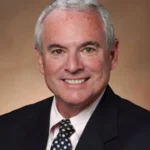
Arlen Meyers, MD, MBA is the President and CEO of the Society of Physician Entrepreneurs on Substack.

Leave a Reply Cancel reply

Your email address will not be published. Required fields are marked *

Videos

In this episode, the host discusses the significance of large language models (LLMs) in healthcare, their applications, and the challenges they face. The conversation highlights the importance of simplicity in model design and the necessity of integrating patient feedback to enhance the effectiveness of LLMs in clinical settings.

Takeaways
LLMs are becoming integral in healthcare.
They can help determine costs and service options.
Hallucination in LLMs can lead to misinformation.
LLMs can produce inconsistent answers based on input.
Simplicity in LLMs is often more effective than complexity.
Patient behavior should guide LLM development.
Integrating patient feedback is crucial for accuracy.
Pre-training models with patient input enhances relevance.
Healthcare providers must understand LLM limitations.
The best LLMs will focus on patient-centered care.

Chapters

00:00 Introduction to LLMs in Healthcare
05:16 The Importance of Simplicity in LLMs
The Future of LLMs in HealthcareDaily Remedy
YouTube Video U1u-IYdpeEk
Subscribe

AI Regulation and Deployment Is Now a Core Healthcare Issue

Clinical Reads

Ambient Artificial Intelligence Clinical Documentation: Workflow Support with Emerging Governance Risk

Ambient Artificial Intelligence Clinical Documentation: Workflow Support with Emerging Governance Risk

by Daily Remedy
February 1, 2026
0

Health systems are increasingly deploying ambient artificial intelligence tools that listen to clinical encounters and automatically generate draft visit notes. These systems are intended to reduce documentation burden and allow clinicians to focus more directly on patient interaction. At the same time, they raise unresolved questions about patient consent, data handling, factual accuracy, and legal responsibility for machine‑generated records. Recent policy discussions and legal actions suggest that adoption is moving faster than formal oversight frameworks. The practical clinical question is...

Read more

Join Our Newsletter!

Twitter Updates

Tweets by TheDailyRemedy

Popular

  • Powerful Phrases to Tell Patients

    Powerful Phrases to Tell Patients

    0 shares
    Share 0 Tweet 0
  • The Future of Healthcare Law

    0 shares
    Share 0 Tweet 0
  • Positions Currently in High Demand in the Medical Field

    0 shares
    Share 0 Tweet 0
  • How Medical Devices Are Properly Sterilized

    0 shares
    Share 0 Tweet 0
  • Data Governance Is Becoming the True AI Bottleneck

    0 shares
    Share 0 Tweet 0
  • 628 Followers

Daily Remedy

Daily Remedy offers the best in healthcare information and healthcare editorial content. We take pride in consistently delivering only the highest quality of insight and analysis to ensure our audience is well-informed about current healthcare topics - beyond the traditional headlines.

Daily Remedy website services, content, and products are for informational purposes only. We do not provide medical advice, diagnosis, or treatment. All rights reserved.

Important Links

  • Support Us
  • About Us
  • Contact us
  • Privacy Policy
  • Terms and Conditions

Join Our Newsletter!

  • Survey
  • Podcast
  • About Us
  • Contact us

© 2026 Daily Remedy

No Result
View All Result
  • Home
  • Articles
  • Podcasts
  • Surveys
  • Courses
  • About Us
  • Contact us
  • Support Us
  • Official Learner

© 2026 Daily Remedy
