







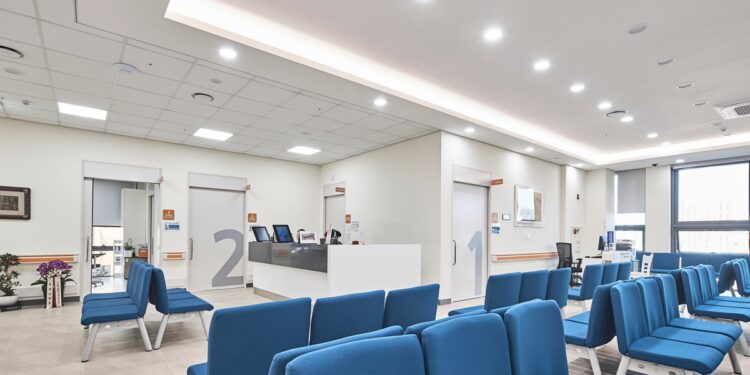
Lighting shapes how healthcare spaces function for patients, visitors, and staff. In hospitals, clinics, and outpatient centers, good lighting supports visibility, comfort, and safer movement throughout the day.
Proper lighting in healthcare facilities also affects how people experience care. Clear, balanced light can reduce stress, support orientation, and help create a setting that feels orderly and easier to navigate.
Support Safety and Clinical Accuracy
Healthcare teams rely on strong visibility to assess patients, read labels, review charts, and complete precise tasks. Poor lighting can slow decision-making, increase eye strain, and raise the chance of errors during treatment and routine care.
Patient safety also depends on proper illumination in hallways, bathrooms, entrances, and recovery areas. Consistent healthcare lighting helps reduce fall risks and makes hazards easier to spot before they cause injury.
Improve Comfort for Patients and Families
Patients often spend long periods under artificial light, especially during recovery or observation. Harsh glare, dim corners, and uneven brightness can increase discomfort and make rest more difficult.
Lighting should support comfort without limiting function. Softer light in waiting rooms and patient rooms, paired with brighter task lighting where needed, can help facilities create a calmer and more supportive setting.
Help Staff Performance and Workflow
Healthcare workers move between fast-paced tasks that require attention, speed, and focus. Lighting that matches the needs of each area can support charting, exams, medication preparation, and room turnover more effectively.
Facilities also benefit from flexible control over brightness during different times of day. Having a lighting control system can help staff adjust light levels across treatment spaces, corridors, and shared work areas with greater consistency.
Align Lighting With Daily Operations
Different departments need different lighting strategies. Emergency rooms, exam rooms, reception areas, and patient rooms all serve distinct purposes, so each space should reflect those operational demands.
Natural light can also play a role when building design allows it. Access to daylight in waiting areas or staff spaces may improve comfort and support a more balanced environment without replacing the need for strong clinical lighting.
Plan for Long-Term Facility Value
Proper lighting decisions in healthcare facilities affect more than appearance. They influence maintenance needs, energy use, workflow efficiency, and the overall experience of care for both staff and patients.
Healthcare leaders should view healthcare lighting as part of core facility performance rather than a finishing touch. When lighting supports safety, comfort, and clinical work at the same time, the entire care environment functions more effectively.