













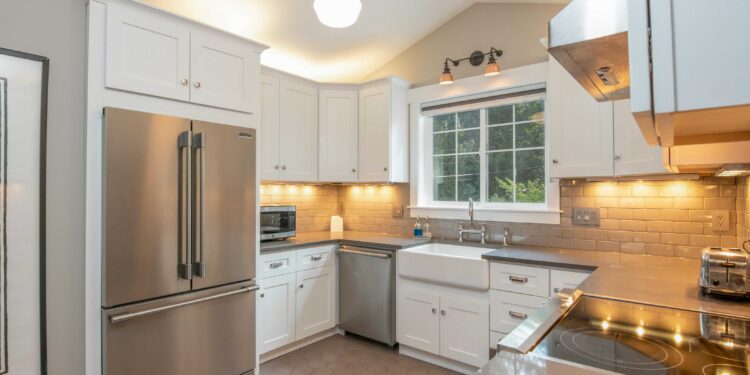
Healthcare professionals and wellness-minded patients often work hard to support patient wellness, yet daily food choices still get derailed by busy schedules, mixed nutrition messages, and the quiet pull of convenience. The core challenge is that long-term nutrition rarely fails because of motivation alone; it breaks down when the healthy choice feels harder in the moments that matter. Kitchen renovation impact is easy to underestimate because it looks like aesthetics, but it can reshape routines, reduce friction, and set expectations around what gets cooked and eaten. A healthy cooking environment becomes a steady, background support for healthier habits.
Understanding Design That Nudges Healthy Eating
Kitchen design can do more than look good. Beginner-friendly principles from behavioral nutrition and environmental psychology focus on cues, ease, and default choices so healthy actions happen with less mental effort. The reminder, routine, and reward pattern explains why what you see first and what is easiest to reach often becomes what you repeat.
For clinicians and informed patients, this matters because adherence is usually a system problem, not a willpower problem. When prep space, storage, and tools reduce decision fatigue, healthier meals become more consistent on busy days. That consistency supports the modern concept of health that includes mental and social wellbeing.
Picture a patient trying to follow a cardiometabolic plan after work. If the cutting board, knife, and salad spinner are ready, and produce is visible, the default shifts toward quick assembly. If the microwave snacks are hidden and the sheet pan is within reach, dinner becomes a simple routine.
Use This Plan for a Health-Forward Kitchen Remodel
Small design choices can make home cooking feel more automatic, especially when your kitchen reduces friction for meal prep, cleanup, and food safety. Use this plan to translate “healthy intentions” into a layout and material set you can live with for years.
- Map your “healthy default” workflow: Sketch the path from fridge → sink → prep zone → cooktop → plating. Aim for 4–9 feet between each step and keep the route unobstructed so cooking doesn’t feel like an obstacle course. Place the prep zone between sink and cooktop, and reserve one clear, always-available counter for chopping and assembling, this is a simple nudge that makes meals easier to start.
- Create a visible hydration + produce zone: Put water access (filter pitcher, faucet filter, or filtered tap) and daily produce within arm’s reach of the main prep space. Use a countertop fruit bowl and a shallow fridge bin at eye level for “eat-first” items like berries, bagged salad, or yogurt. Visibility is the point: when healthy options are the first thing you see, they’re more likely to be chosen.
- Build a “meal-prep landing strip” near the entry: Reserve a 24–36 inch counter section close to where groceries come in. Add a drawer for labels, date dots, and a marker, plus a nearby trash/compost pull-out so you can rinse, portion, and store foods quickly. This reduces the time food sits out and lowers the barrier to prepping tomorrow’s lunch.
- Choose energy-efficient appliances that match real routines: Prioritize a fridge with consistent temperature control and a dishwasher you’ll actually run nightly; those two decisions often drive both food quality and day-to-day stress. The case for efficiency is practical: the Department of Energy notes appliance energy usage takes a sizable share of building energy in commercial settings, and home kitchens benefit from the same logic, right-size what you buy and use it well.
- Upgrade food storage so “leftovers” become “planned meals”: Install two deep drawers for containers and lids (no more avalanche cabinets) and add one roll-out pantry shelf for grains, canned foods, and proteins. In the fridge, use clear bins labeled “Eat first,” “Lunches,” and “Prep,” and commit to a 10-minute reset twice a week. When storage is easy, food preservation becomes routine instead of a guilt spiral.
- Specify non-toxic materials where they matter most: Focus on the high-contact and high-emission areas: cabinet boxes, adhesives, sealants, flooring, and wall paint. Look for documented low-VOC options, choosing low-VOC materials helps keep indoor air cleaner, which matters for families managing asthma, migraines, or chemical sensitivities. Ask your contractor for product cut sheets before install so substitutions don’t sneak in.
- Pick healthy cooking surfaces and an “easy-clean” ventilation plan: If you cook often, consider induction for fast control and lower indoor combustion byproducts, then pair it with a vent hood that exhausts outdoors and is simple to wipe weekly. For counters, choose a non-porous, easy-sanitize surface and place a dedicated hot zone (trivet drawer or heat-safe pad) beside the cooktop to reduce cross-contamination. Small cleanup-friendly choices protect follow-through on busy weeks.
Common Wellness Questions About Smart Kitchens
Q: How can kitchen layout choices promote healthier daily cooking habits?
A: Prioritize a simple, low-friction flow between refrigeration, washing, prep, and heat so starting a meal takes fewer steps. Keep one counter area permanently clear for chopping, and avoid tight pinch points that turn cooking into a hassle. If you use reminders, digital kitchen checklists can help reduce missed steps when energy is low.
Q: What types of appliances best support long-term nutrition and food preservation?
A: Look for consistent cooling and reliable temperature control first, because that protects food quality and safety. Choose appliances you can maintain easily, such as filters you can access without tools and surfaces that wipe clean quickly. Durability matters more than extra features you will not use.
Q: In what ways do storage solutions influence food waste and encourage mindful eating?
A: Clear, front-facing storage makes “eat first” items visible, which reduces forgotten leftovers. Deep drawers for containers and a dedicated spot for staples cut decision fatigue and support portioning. Plan a realistic reset routine, since 23 percent of people cite kitchen cleaning as a dreaded chore.
Q: Which kitchen materials are recommended to create a clean, stress-reducing environment conducive to wellness?
A: Favor non-porous, low-maintenance surfaces that tolerate frequent wiping without staining or etching. For cabinets and finishes, ask for low-odor, low-VOC specifications and confirm what sealants and adhesives will be used. Choose hardware that feels sturdy in hand, since loose pulls and sticky drawers add daily friction.
Q: What design considerations should I discuss with a renovation specialist to align my kitchen renovation with my health goals?
A: Share your health priorities plainly: easier meal prep, fewer cleanup steps, better ventilation, and food-safe surfaces. Ask about durability tradeoffs and what maintenance each choice actually requires, not just how it looks on day one. If sinks or plumbing are included, request an optional catalog of durable plumbing fixtures and components and accessible shutoffs to reduce leaks and cleanup hassle.
Habits for a Wellness-Ready Kitchen Routine
When your kitchen reduces friction, it becomes easier to follow through on nutrition goals even during long shifts, symptom flares, or busy family weeks. These repeatable practices help clinicians and informed patients translate renovation features into steady, low-effort behaviors over time.
Two-Minute Reset Zone
- What it is: Clear one prep counter fully and return tools to their “home” spots.
- How often: Daily
- Why it helps: Lower visual clutter makes starting a balanced meal feel more doable.
First-In-Front Storage Sweep
- What it is: Move ready-to-eat produce and leftovers to eye level and front.
- How often: Twice weekly
- Why it helps: Visibility supports mindful choices and reduces food waste.
Hygiene Start Ritual
- What it is: Begin with clean hands and sanitized surfaces before any prep.
- How often: Every cooking session
- Why it helps: It reduces contamination risk and builds confidence with meal prep.
Drawer-Based Portion Pack
- What it is: Pre-portion grains, proteins, and snacks into stackable containers in one drawer.
- How often: Weekly
- Why it helps: Easier portions support glucose, weight, and appetite goals.
Ten-Minute “Prep Sprint”
- What it is: Chop two vegetables and a protein, then label and refrigerate.
- How often: 3 times weekly
- Why it helps: An organized kitchen can cut meal prep time up to 60 percent, improving follow-through.
Take One Wellness-Boosting Kitchen Upgrade From Plan to Practice
When schedules are packed and energy is low, even well-informed nutrition goals can get crowded out by a kitchen that adds friction to everyday choices. A nutrition-centered kitchen design reframes that challenge as an environment issue, using health-focused renovation benefits, from thoughtful layout to supportive storage and durable materials, as long-term wellness strategies that make healthy options easier to reach and easier to repeat. The payoff is steadier routines, less decision fatigue, and healthy lifestyle support through an environment that holds up on demanding weeks. Design the kitchen to support health, and healthier habits become the default. Choose one upgrade this month, one layout tweak, storage reset, or material change, and treat it as the first step in transformative kitchen remodeling. That kind of steady progress builds resilience, connection, and day-to-day health over time.



