
The Three‑Virus Season Is Now a Planning Assumption
Emergency and seasonal preparedness for influenza, respiratory syncytial virus, and COVID has become a standing agenda item for hospital executives, ...

The Physical Exam Is Becoming Software
Digital and remote health technologies — particularly AI-enhanced diagnostic tools such as software-assisted stethoscopes, camera-based vital sign systems, and algorithmic ...
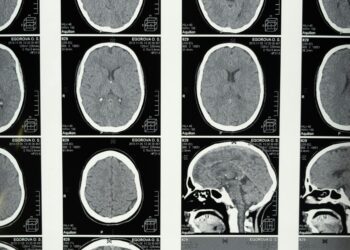
The Prevention Gap in Dementia Care
The most consequential Alzheimer’s intervention may arrive decades before the diagnosis — and long before the billing code. Brain health ...

The Quiet Clinical Coup of Artificial Intelligence
The algorithm has already seen the patient before the physician does. Artificial intelligence in clinical practice is no longer a ...

The Anatomy of a Policy Reset
The 340B Drug Pricing Program — long treated as stable plumbing inside safety‑net finance — has re‑entered active policy dispute ...

The Pediatric Mental Health Curve Is Bending — and the System Isn’t Ready
Youth and adolescent mental health has shifted from a specialty concern to a system-level stress signal, with sustained search activity, ...

When the Hospital Dissolves Into the Network
Telehealth expansion, virtual intensive care units, and remote neonatal and specialty nursing programs have moved from pilot status to operating ...

Women’s Health Policy Is Expanding Access Still Isn’t
The legal architecture of women’s health has been redrawn faster than the clinical delivery system can respond. Search and social ...

Vaccines Are Back at the Center Not as Science, but as Infrastructure
The vaccination system is no longer judged only by whether the science works, but by whether the delivery, messaging, financing, ...

Telehealth After the Emergency: Virtual Care, Payment Gravity, and the Return of Friction
Telehealth did not quietly expand — it detonated inside the reimbursement system and left regulators to map the crater afterward. ...

Sleepmaxxing and the Industrialization of Rest
Sleep, once the most private of physiologic acts, is being reverse‑engineered in public and sold back to consumers as a ...
Sexual Health Information Is Escaping the Clinic and Rewriting the Care Pathway
Sexual health has left the exam room, entered the search bar, and brought utilization patterns with it. Search and social ...


FDA Evaluation of Certain Bulk Drug Substances in Compounding: Clinical Interpretation
Clinicians increasingly encounter patients using or requesting peptide-based therapies sourced through compounding pharmacies. The U.S. Food and Drug Administration has identified a subset of bulk drug substances, including certain peptides, that may present significant safety risks when used in compounded formulations. The clinical question is whether these regulatory signals reflect meaningful patient-level risk and how they should influence prescribing behavior. This matters because compounded peptides often sit outside traditional approval pathways, creating uncertainty around quality, dosing consistency, and safety. Understanding...
Read more