













Sunday, February 22, 2026
ISSN 2765-8767
  • Survey
  • Podcast
  • Write for Us
  • My Account
  • Log In
Daily Remedy
  • Home
  • Articles
  • Podcasts
    Debunking Myths About GLP-1 Medications

    Debunking Myths About GLP-1 Medications

    February 16, 2026
    The Future of LLMs in Healthcare

    The Future of LLMs in Healthcare

    January 26, 2026
    The Future of Healthcare Consumerism

    The Future of Healthcare Consumerism

    January 22, 2026
    Your Body, Your Health Care: A Conversation with Dr. Jeffrey Singer

    Your Body, Your Health Care: A Conversation with Dr. Jeffrey Singer

    July 1, 2025

    The cost structure of hospitals nearly doubles

    July 1, 2025
    Navigating the Medical Licensing Maze

    The Fight Against Healthcare Fraud: Dr. Rafai’s Story

    April 8, 2025
  • Surveys

    Surveys

    How Confident Are You in RFK Jr.’s Health Leadership?

    How Confident Are You in RFK Jr.’s Health Leadership?

    February 16, 2026
    AI in Healthcare Decision-Making

    AI in Healthcare Decision-Making

    February 1, 2026

    Survey Results

    Can you tell when your provider does not trust you?

    Can you tell when your provider does not trust you?

    January 18, 2026
    Do you believe national polls on health issues are accurate

    National health polls: trust in healthcare system accuracy?

    May 8, 2024
    Which health policy issues matter the most to Republican voters in the primaries?

    Which health policy issues matter the most to Republican voters in the primaries?

    May 14, 2024
    How strongly do you believe that you can tell when your provider does not trust you?

    How strongly do you believe that you can tell when your provider does not trust you?

    May 7, 2024
  • Courses
  • About Us
  • Contact us
  • Support Us
  • Official Learner
No Result
View All Result
  • Home
  • Articles
  • Podcasts
    Debunking Myths About GLP-1 Medications

    Debunking Myths About GLP-1 Medications

    February 16, 2026
    The Future of LLMs in Healthcare

    The Future of LLMs in Healthcare

    January 26, 2026
    The Future of Healthcare Consumerism

    The Future of Healthcare Consumerism

    January 22, 2026
    Your Body, Your Health Care: A Conversation with Dr. Jeffrey Singer

    Your Body, Your Health Care: A Conversation with Dr. Jeffrey Singer

    July 1, 2025

    The cost structure of hospitals nearly doubles

    July 1, 2025
    Navigating the Medical Licensing Maze

    The Fight Against Healthcare Fraud: Dr. Rafai’s Story

    April 8, 2025
  • Surveys

    Surveys

    How Confident Are You in RFK Jr.’s Health Leadership?

    How Confident Are You in RFK Jr.’s Health Leadership?

    February 16, 2026
    AI in Healthcare Decision-Making

    AI in Healthcare Decision-Making

    February 1, 2026

    Survey Results

    Can you tell when your provider does not trust you?

    Can you tell when your provider does not trust you?

    January 18, 2026
    Do you believe national polls on health issues are accurate

    National health polls: trust in healthcare system accuracy?

    May 8, 2024
    Which health policy issues matter the most to Republican voters in the primaries?

    Which health policy issues matter the most to Republican voters in the primaries?

    May 14, 2024
    How strongly do you believe that you can tell when your provider does not trust you?

    How strongly do you believe that you can tell when your provider does not trust you?

    May 7, 2024
  • Courses
  • About Us
  • Contact us
  • Support Us
  • Official Learner
No Result
View All Result
Daily Remedy
No Result
View All Result
Home Politics & Law

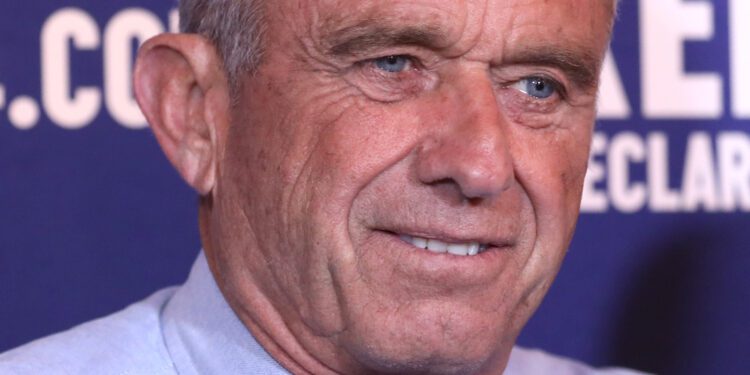
Robert F. Kennedy Jr. : A Healthcare Disruptor with a Vision for Reform

Despite Controversy, RFK Jr.'s Advocacy for Food, Nutrition, and Transparency Could Transform U.S. Healthcare

Dr. Jay K Joshi by Dr. Jay K Joshi
February 3, 2025
in Politics & Law
0

Introduction: The Healthcare Disruptor We Need?

Robert F. Kennedy Jr. has made waves as a political figure, environmental lawyer, and health advocate. While he has been a polarizing voice in the medical community, particularly regarding vaccines, his broader vision for healthcare reform deserves closer examination. His emphasis on food policy, nutrition, and transparency in public health aligns with an urgent need for change in an industry burdened by chronic disease and corporate influence. This article explores how RFK Jr.’s background, advocacy, and controversial stances make him a disruptor, but ultimately, a net positive for healthcare.

The Making of a Maverick: RFK Jr.’s Early Life and Legal Career

Born in 1954 as the third of 11 children to Senator Robert F. Kennedy and Ethel Kennedy, RFK Jr. was raised in a family deeply committed to public service. His father’s assassination in 1968 profoundly shaped his worldview, instilling in him a drive to challenge entrenched systems.

A graduate of Harvard University, Kennedy earned his law degree from the University of Virginia and pursued a Master of Laws from Pace University. He quickly became a prominent environmental lawyer, working with the Natural Resources Defense Council (NRDC) and leading the Waterkeeper Alliance. His legal battles against corporations polluting water supplies showcased his tenacity in holding powerful interests accountable—an approach he later applied to public health.

In an interview with The Guardian (2022), Kennedy stated, “I have spent my career fighting against corporate corruption that puts profits over people. Healthcare is no different—there is a system that benefits from people being sick rather than promoting true wellness.”

A Legal Warrior Turned Health Advocate

Kennedy’s transition into health advocacy stemmed from his environmental work, where he discovered alarming links between industrial pollution, food toxicity, and public health crises. His belief that corporate interests compromised health policy led him to push for stricter food safety regulations, cleaner farming practices, and consumer awareness about nutrition.

Food and Nutrition: The Cornerstone of Health Reform

RFK Jr. has long championed the idea that much of America’s chronic disease epidemic is rooted in poor nutrition. He has criticized industrial agriculture and its reliance on pesticides, processed foods, and artificial additives, arguing that these factors contribute to rising rates of obesity, diabetes, and autoimmune disorders. His advocacy aligns with the growing body of research emphasizing the role of diet in disease prevention (Mozaffarian et al., 2018).

His proposals include:

  • Reducing corporate influence over food policy
  • Promoting regenerative agriculture and organic farming
  • Enhancing public education on nutrition and metabolic health
  • Challenging federal subsidies for processed food industries

During a 2023 panel discussion at the Food Justice Summit, Kennedy remarked, “If we are serious about healthcare reform, we must start with our food. The chronic disease epidemic is not an accident—it is a direct consequence of how we grow, process, and consume our food.”

Vaccine Controversy: A Stain or a Sign of Transparency?

Perhaps the most contentious aspect of RFK Jr.’s advocacy is his stance on vaccines. His organization, Children’s Health Defense, has been criticized for promoting skepticism about vaccine safety. While many medical professionals refute his claims, it’s important to recognize his broader argument: he calls for greater transparency in pharmaceutical testing and regulatory oversight (Doshi, 2020).

Critics argue that his rhetoric has fueled vaccine hesitancy, but Kennedy himself has stated that he is not anti-vaccine but pro-safety. His skepticism, though often exaggerated, raises valid concerns about conflicts of interest within regulatory agencies and the pharmaceutical industry’s influence on public health policy.

In a 2021 interview with Politico, he said, “My issue has never been with vaccines themselves, but rather the way they are tested, regulated, and marketed. We need independent science, free from corporate influence, guiding our health policies.”

Mistakes and Course Corrections

RFK Jr. is not without his missteps. One of the most significant controversies was his involvement in misinformation surrounding virus outbreaks. His stance on COVID-19 policies led to backlash, with some accusing him of spreading harmful narratives. However, Kennedy has shown a willingness to engage in debate and adjust his messaging when confronted with strong counter-evidence.

For example, his emphasis on natural immunity and early treatment protocols, initially dismissed, has gained some legitimacy as new studies reassess long-term pandemic management strategies (Ioannidis, 2021). His ability to adapt and refine his positions suggests that, while disruptive, he can be an agent for constructive dialogue rather than ideological entrenchment.

RFK Jr.’s Potential to Reshape Healthcare

Despite controversy, RFK Jr.’s core principles align with pressing healthcare needs:

  • Medical Freedom: Advocating for informed consent and patient autonomy in treatment choices.
  • Food as Medicine: Pushing for policies that prioritize nutrition and metabolic health.
  • Environmental Health: Highlighting the link between pollution and disease.
  • Pharmaceutical Oversight: Calling for regulatory transparency and corporate accountability.

His vision challenges the status quo, making him a necessary disruptor in a healthcare system increasingly dominated by profit-driven motives. While his critics focus on his vaccine stance, his broader contributions to food policy, public health, and consumer advocacy offer tangible benefits.

Conclusion: RFK Jr. – A Disruptor Worth Watching

Robert F. Kennedy Jr. is a complex figure, often at odds with mainstream medical narratives yet steadfast in his commitment to health reform. While his vaccine skepticism has drawn criticism, his advocacy for food policy, environmental health, and transparency in public health regulation makes him a valuable voice in an industry overdue for disruption. If he refines his messaging and focuses on bipartisan healthcare solutions, he could play a pivotal role in shifting America toward a more preventative, patient-centered healthcare model.

As the healthcare debate evolves, RFK Jr.’s influence will likely grow. Whether one agrees with all his positions or not, his willingness to challenge entrenched interests and advocate for systemic change is something the healthcare industry cannot afford to ignore.

Sources:

  • Mozaffarian, D., et al. (2018). “Role of diet in preventing chronic disease.” New England Journal of Medicine.
  • Doshi, P. (2020). “Transparency and trust in vaccine regulation.” BMJ.
  • Ioannidis, J. P. A. (2021). “Assessing pandemic policies and their long-term implications.” JAMA.
  • The Guardian (2022). “Robert F. Kennedy Jr. on Corporate Corruption and Public Health.”
  • Politico (2021). “RFK Jr. on Vaccine Transparency and Regulation.”

ShareTweet
Dr. Jay K Joshi

Dr. Jay K Joshi

Dr. Joshi is the founding editor of Daily Remedy

Leave a Reply Cancel reply

Your email address will not be published. Required fields are marked *

Videos

This conversation focuses on debunking myths surrounding GLP-1 medications, particularly the misinformation about their association with pancreatic cancer. The speaker emphasizes the importance of understanding clinical study designs, especially the distinction between observational studies and randomized controlled trials. The discussion highlights the need for patients to critically evaluate the sources of information regarding medication side effects and to empower themselves in their healthcare decisions.

Takeaways
GLP-1 medications are not linked to pancreatic cancer.
Peer-reviewed studies debunk misinformation about GLP-1s.
Anecdotal evidence is not reliable for general conclusions.
Observational studies have limitations in generalizability.
Understanding study design is crucial for evaluating claims.
Symptoms should be discussed in the context of clinical conditions.
Not all side effects reported are relevant to every patient.
Observational studies can provide valuable insights but are context-specific.
Patients should critically assess the relevance of studies to their own experiences.
Engagement in discussions about specific studies can enhance understanding

Chapters
00:00
Debunking GLP-1 Medication Myths
02:56
Understanding Clinical Study Designs
05:54
The Role of Observational Studies in Healthcare
Debunking Myths About GLP-1 Medications
YouTube Video DM9Do_V6_sU
Subscribe

2027 Medicare Advantage & Part D Advance Notice

Clinical Reads

BIIB080 in Mild Alzheimer’s Disease: What a Phase 1b Exploratory Clinical Analysis Can—and Cannot—Tell Us

BIIB080 in Mild Alzheimer’s Disease: What a Phase 1b Exploratory Clinical Analysis Can—and Cannot—Tell Us

by Daily Remedy
February 15, 2026
0

Can lowering tau biology translate into a clinically meaningful slowing of decline in people with early symptomatic Alzheimer’s disease? That is the practical question behind BIIB080, an intrathecal antisense therapy designed to reduce production of tau protein by targeting the tau gene transcript. In a phase 1b program originally designed for safety and dosing, investigators later examined cognitive, functional, and global outcomes as exploratory endpoints. The clinical question matters because current disease-modifying options primarily target amyloid, while tau pathology tracks...

Read more

Join Our Newsletter!

Twitter Updates

Tweets by TheDailyRemedy

Popular

  • The Prevention Gap in Dementia Care

    The Prevention Gap in Dementia Care

    0 shares
    Share 0 Tweet 0
  • Healthcare Natural Rights

    0 shares
    Share 0 Tweet 0
  • The Staffing Equation That Doesn’t Balance

    0 shares
    Share 0 Tweet 0
  • Healthcare in Space

    1 shares
    Share 0 Tweet 0
  • Heat Safety Tips Every Pregnant Mother Should Know

    0 shares
    Share 0 Tweet 0
  • 628 Followers

Daily Remedy

Daily Remedy offers the best in healthcare information and healthcare editorial content. We take pride in consistently delivering only the highest quality of insight and analysis to ensure our audience is well-informed about current healthcare topics - beyond the traditional headlines.

Daily Remedy website services, content, and products are for informational purposes only. We do not provide medical advice, diagnosis, or treatment. All rights reserved.

Important Links

  • Support Us
  • About Us
  • Contact us
  • Privacy Policy
  • Terms and Conditions

Join Our Newsletter!

  • Survey
  • Podcast
  • About Us
  • Contact us

© 2026 Daily Remedy

No Result
View All Result
  • Home
  • Articles
  • Podcasts
  • Surveys
  • Courses
  • About Us
  • Contact us
  • Support Us
  • Official Learner

© 2026 Daily Remedy
