













When you think about infection control in a hospital, hand hygiene usually comes to mind first. Personal protective equipment follows close behind. Both deserve attention, but much of the work that protects patients happens farther from the bedside.
Take the building itself. Water flows through miles of plumbing before anyone turns on a faucet. Reusable medical equipment goes through careful reprocessing before another patient uses it.
Looking at the hidden safety systems behind infection control gives you a wider view of prevention. These systems rarely attract attention when they work well. But when one breaks down, its importance becomes much easier to see.
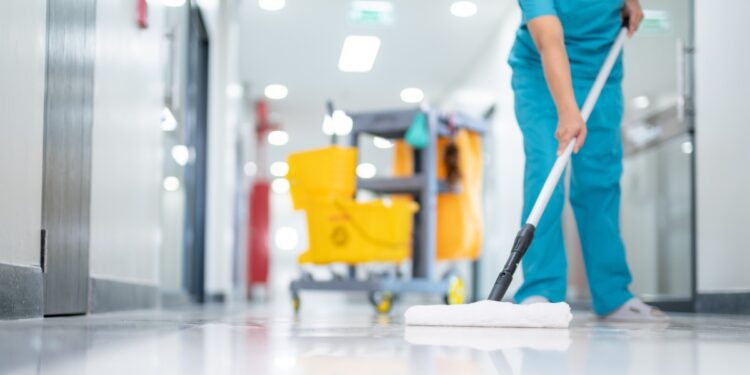
Environmental Cleaning Goes Beyond a Good Disinfectant
A room may look clean but still not meet the needs of a healthcare environment. Infection prevention requires more structure than wiping away visible dirt. Healthcare facilities need cleaning procedures that reflect how staff and patients use each space.
High-touch surfaces deserve closer attention because people handle them throughout the day. Bed rails provide a good example. Door handles also receive frequent contact. In patient-care areas, cleaning schedules should reflect that level of use rather than relying on appearance alone.
If you work in a clinical setting, watch the room during normal care. Notice what people touch repeatedly and where equipment lands between uses. Those observations sometimes reveal gaps that a general cleaning schedule misses.
Follow the Workflow
A checklist gives staff a useful starting point, but how people actually move through the room shows where exposure opportunities develop. For example, a surface near the patient bed may receive far more contact than another surface only a few feet away. Once your team sees that pattern, environmental services can focus more attention on the higher-contact area.
Water Management Starts Long Before the Faucet
Hospital plumbing deserves its own infection-control strategy. Tap water in the United States meets public safety standards, but healthcare settings introduce additional considerations. Certain plumbing conditions support waterborne pathogen growth. CDC guidance recommends water management programs for healthcare facilities covered by applicable standards.
Stagnation creates one area of concern. Water that sits in plumbing gives microorganisms more opportunity to grow. That makes water safety a shared responsibility. Facilities teams understand the building systems, while infection prevention staff bring a clinical risk perspective.
You don’t need to wait for a patient-care incident to review the water system. Preventive management starts well before anyone notices a problem at the tap.
Ventilation Shapes the Space Around the Patient
Ventilation usually disappears into the background until something goes wrong. In healthcare facilities, though, airflow plays an important role in infection control. HVAC systems help remove contaminated air and support the requirements of different clinical spaces.
That matters when a hospital changes how it uses a room. A space designed for one purpose does not automatically suit another. If a renovation changes the type of care delivered there, infection prevention teams should include airflow in the review.
Facility engineers bring essential knowledge to those conversations. Their understanding of airflow helps the clinical team judge whether the space still supports its new purpose.
Reprocessing Starts With Thorough Cleaning
Sterilization receives plenty of attention, but reusable medical equipment needs careful cleaning before it reaches that stage. Organic material left on an instrument interferes with later disinfection or sterilization. Dried residue also becomes harder to remove.
A few practices deserve consistent attention:
- Follow the manufacturer’s reprocessing instructions.
- Clean equipment before high-level disinfection or sterilization.
- Keep contaminated items away from processed equipment.
- Update staff training when procedures change.
- Monitor whether teams follow the established process.
Each step protects the work that comes next. If teams rush the first stage, later stages start with a disadvantage.
Chemical Storage Supports Work Behind the Scenes
Healthcare facilities rely on chemicals for several operational processes, including some forms of water treatment. Those substances need storage systems suited to their contents. This is why storage tanks need chemical-grade protection. Repeated contact with an incompatible chemical can damage a tank surface over time. A suitable liner helps protect the structure from that exposure.
Chemical-grade protection does not function as a direct bedside infection-control measure. Its role sits farther upstream, supporting the facility systems that clinical operations rely on. Keeping that distinction clear matters. Infection prevention extends beyond bedside protocols, but each supporting system contributes in its own way.
Sinks and Drains Need a Closer Look
A sink feels ordinary until you consider what develops below the drain. CDC guidance notes that healthcare sinks and drains can harbor water-associated pathogens, including multidrug-resistant organisms. Splash also deserves attention because droplets from the drain area can reach nearby surfaces.
Keep patient-care supplies outside the splash zone. Regularly clean around the basin as well. When facilities install or modify sinks, consider faucet placement because the design influences where water lands.
A sink is no longer a minor plumbing detail when viewed through an infection-control lens. Its location and use shape the surrounding environment.
Monitoring Keeps Protocols Useful
Written policies only matter when daily practice matches them. Healthcare facilities need ways to check whether environmental cleaning and other infection-control procedures happen as intended. The value comes from seeing patterns.
Suppose a busy shift misses the same high-touch surface. Monitoring brings the problem into view. From there, leaders have something specific to address instead of sending another broad reminder. The goal is to improve the process before the same gap becomes routine.
Infection Control Reaches Across the Hospital
If you work in healthcare, you already see the patient-facing side of infection prevention every day. You see hand hygiene happen in front of you, while PPE protocols shape routine care. The supporting systems attract less attention because much of their work happens elsewhere.
Facilities teams oversee systems such as water and ventilation. Meanwhile, sterile processing staff protect reusable equipment’s integrity before it returns to patient care. Each group approaches infection prevention from a different point in the hospital.
Once you understand the hidden safety systems behind infection control, prevention looks less like a single protocol and more like a connected effort. Bedside practices still matter, but they work best when the surrounding environment supports the same goal.
Some of the most important safeguards rarely draw attention when they work well. That quiet reliability is part of what makes them effective.