












Wednesday, March 25, 2026
ISSN 2765-8767
  • Home
  • Courses
  • About Us
  • Contact us
  • Support Us
  • Home
  • Courses
  • About Us
  • Contact us
  • Support Us

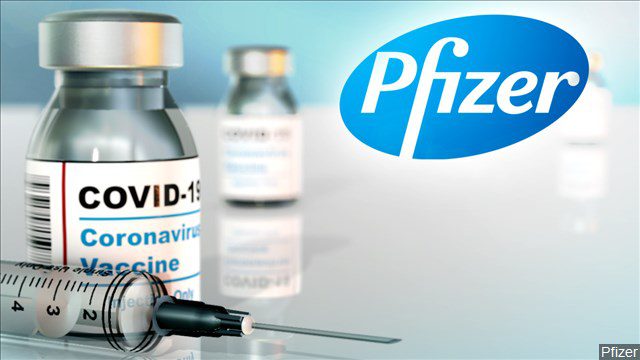
U.S. FDA authorizes COVID-19 vaccine boosters for the immunocompromised

The amended emergency use authorization paves the way for people who have had an organ transplant, or those with a similar level of weakened immune system, to get an extra dose. The patients may consult with their doctor to see if they are eligible, FDA spokesperson Abby Capobianco said.

“After a thorough review of the available data, the FDA determined that this small, vulnerable group may benefit from a third dose of the Pfizer-BioNTech or Moderna vaccines,” Janet Woodcock, U.S. FDA’s acting commissioner, said in a tweet.

“Others who are fully vaccinated are adequately protected & do not need an additional dose of COVID-19 vaccine at this time.”

The vulnerable group makes up less than 3% of U.S. adults, Rochelle Walensky, director of the Centers for Disease Control and Prevention (CDC), had said before the authorization.

Source: Reuters

Daily Remedy

Daily Remedy

Dr. Jay K Joshi serves as the editor-in-chief of Daily Remedy. He is a serial entrepreneur and sought after thought-leader for matters related to healthcare innovation and medical jurisprudence. He has published articles on a variety of healthcare topics in both peer-reviewed journals and trade publications. His legal writings include amicus curiae briefs prepared for prominent federal healthcare cases.

Videos

Policy Shift in Peptide Regulation

GLP-1 Drugs Have Moved Past Weight Loss. Medicine Has Not Fully Caught Up.

Glucagon-Like Peptide–Based Therapies and Longevity: Clinical Implications from Emerging Evidence

Glucagon-like peptide–based therapies are increasingly used for weight management and glycemic control, but their potential impact on long-term survival remains uncertain. The clinical question addressed in this report is whether treatment with glucagon-like peptide receptor agonists is associated with reductions in all-cause mortality and age-related morbidity beyond their established metabolic effects. This question matters because these agents are now prescribed across broad patient populations, including individuals without diabetes, and long-term exposure may influence cardiovascular, oncologic, and neurodegenerative outcomes. Understanding whether...

Read more

Join Our Newsletter!

