














Saturday, February 21, 2026
ISSN 2765-8767
  • Survey
  • Podcast
  • Write for Us
  • My Account
  • Log In
Daily Remedy
  • Home
  • Articles
  • Podcasts
    Debunking Myths About GLP-1 Medications

    Debunking Myths About GLP-1 Medications

    February 16, 2026
    The Future of LLMs in Healthcare

    The Future of LLMs in Healthcare

    January 26, 2026
    The Future of Healthcare Consumerism

    The Future of Healthcare Consumerism

    January 22, 2026
    Your Body, Your Health Care: A Conversation with Dr. Jeffrey Singer

    Your Body, Your Health Care: A Conversation with Dr. Jeffrey Singer

    July 1, 2025

    The cost structure of hospitals nearly doubles

    July 1, 2025
    Navigating the Medical Licensing Maze

    The Fight Against Healthcare Fraud: Dr. Rafai’s Story

    April 8, 2025
  • Surveys

    Surveys

    How Confident Are You in RFK Jr.’s Health Leadership?

    How Confident Are You in RFK Jr.’s Health Leadership?

    February 16, 2026
    AI in Healthcare Decision-Making

    AI in Healthcare Decision-Making

    February 1, 2026

    Survey Results

    Can you tell when your provider does not trust you?

    Can you tell when your provider does not trust you?

    January 18, 2026
    Do you believe national polls on health issues are accurate

    National health polls: trust in healthcare system accuracy?

    May 8, 2024
    Which health policy issues matter the most to Republican voters in the primaries?

    Which health policy issues matter the most to Republican voters in the primaries?

    May 14, 2024
    How strongly do you believe that you can tell when your provider does not trust you?

    How strongly do you believe that you can tell when your provider does not trust you?

    May 7, 2024
  • Courses
  • About Us
  • Contact us
  • Support Us
  • Official Learner
No Result
View All Result
  • Home
  • Articles
  • Podcasts
    Debunking Myths About GLP-1 Medications

    Debunking Myths About GLP-1 Medications

    February 16, 2026
    The Future of LLMs in Healthcare

    The Future of LLMs in Healthcare

    January 26, 2026
    The Future of Healthcare Consumerism

    The Future of Healthcare Consumerism

    January 22, 2026
    Your Body, Your Health Care: A Conversation with Dr. Jeffrey Singer

    Your Body, Your Health Care: A Conversation with Dr. Jeffrey Singer

    July 1, 2025

    The cost structure of hospitals nearly doubles

    July 1, 2025
    Navigating the Medical Licensing Maze

    The Fight Against Healthcare Fraud: Dr. Rafai’s Story

    April 8, 2025
  • Surveys

    Surveys

    How Confident Are You in RFK Jr.’s Health Leadership?

    How Confident Are You in RFK Jr.’s Health Leadership?

    February 16, 2026
    AI in Healthcare Decision-Making

    AI in Healthcare Decision-Making

    February 1, 2026

    Survey Results

    Can you tell when your provider does not trust you?

    Can you tell when your provider does not trust you?

    January 18, 2026
    Do you believe national polls on health issues are accurate

    National health polls: trust in healthcare system accuracy?

    May 8, 2024
    Which health policy issues matter the most to Republican voters in the primaries?

    Which health policy issues matter the most to Republican voters in the primaries?

    May 14, 2024
    How strongly do you believe that you can tell when your provider does not trust you?

    How strongly do you believe that you can tell when your provider does not trust you?

    May 7, 2024
  • Courses
  • About Us
  • Contact us
  • Support Us
  • Official Learner
No Result
View All Result
Daily Remedy
No Result
View All Result
Home Trends

New Obesity Drug Tirzepatide Makes an Entrance

A new obesity drug is on the market, and it's all the rage.

Mandy Conrad by Mandy Conrad
January 18, 2024
in Trends
0
New Obesity Drug Tirzepatide Makes an Entrance

Huha, Inc.

If the buzz surrounding a medication could elevate it to celebrity status, then Zepbound is reaching Taylor Swift rank.

Zepbound is the newest addition to the weight loss drug arena. In November 2023, it joined the list of obesity-fighting drugs – administered as an injection – to be approved by the U.S. Food and Drug Administration.

The key to Zepbound’s weight loss potential is its active ingredient, tirzepatide. This is the same active ingredient found in the drug Mounjaro, which is approved to treat Type 2 diabetes.

The relationship between Zepbound and Mounjaro is similar to two other popular drugs making headlines, Wegovy and Ozempic. Both Wegovy and Ozempic contain the active ingredient semaglutide, with Ozempic approved for the treatment of Type 2 diabetes and Wegovy approved for the treatment of obesity.

Tirzepatide and semaglutide both mimic the digestive hormone GLP-1, which is released by the intestines when we eat to stimulate insulin production and help regulate blood sugar. GLP-1 also suppresses appetite while promoting a sensation of fullness.

Weight loss medications are intended to be used in conjunction with lifestyle changes, such as exercise and a healthy diet. But too often, people view them as a silver bullet for weight loss. And the high price tag and variable insurance coverage for these popular weight loss drugs create a barrier for many people.

I am a registered dietitian and dietetics educator. Whether I am counseling patients, teaching students or working in my community to address food access challenges and healthy eating, I focus on overall well-being. I am passionate about helping people make informed and realistic health decisions based on their circumstances and helping them see opportunities to overcome the barriers they may encounter.

A doctor outlines the differences between Zepbound and other weight loss drugs.

Health risks of obesity

The potential impact of these drugs is staggering, since more than 2 in 5 American adults are obese, according to the National Institutes of Health.

Obesity is not just an American issue, nor is it going away. The World Obesity Federation estimates that by 2030, 1 in 5 women and 1 in 7 men will be living with obesity worldwide.

Many serious health conditions are associated with obesity, including heart disease, diabetes, high blood pressure, stroke, certain cancers and osteoarthritis. By treating obesity, a person can reduce or reverse obesity-related disease and improve both their health and quality of life.

However, long-term weight management depends on a number of complex factors. Meal timing and types of foods eaten can affect energy levels, satisfaction and hunger levels. A person’s typical schedule, culture and preferences, activity level and health history must be taken into consideration as well. No single “best strategy” for weight management has been identified, and research indicates that strategies for weight loss and maintenance need to be individualized.

In addition, it is critical to note that research on the long-term effects of these newer weight loss drugs is limited. The available research has focused specifically on weight loss, heart health and metabolism and has found that ongoing use of these new medications is necessary to maintain improvements in weight and related health benefits.

Common side effects and the emotional toll experienced by those who regain weight once they stop taking the drugs are trade-offs that need to be considered. More research is needed to better understand the long-term impact of both direct and indirect health consequences of taking drugs for weight loss.

It’s not just what you see on the scale

Throughout my years working as a registered dietitian, I have counseled numerous people about their weight loss goals. I often see a hyperfocus on weight loss, with much less attention being placed on the right nutrients to eat.

Societal standards and weight stigma in the health care setting can negatively affect patients’ health and can lead them to obsess about the number on a scale rather than on the health outcome.

Weight loss may be necessary to reduce risks and promote health. But weight loss alone should not be the end goal: Rather, the focus should be on overall health. Tactics to reduce intake and suppress appetite require intention to ensure that the body receives the nutrients it needs to support health.

Additionally, I remind people that long-term results require attention to diet and lifestyle. When a person stops taking a medication, the condition it’s meant to treat can often return. If you stop taking your high blood pressure pills without altering your diet and lifestyle, your blood pressure goes back up. The same effects can happen with medications used to treat cholesterol and obesity.
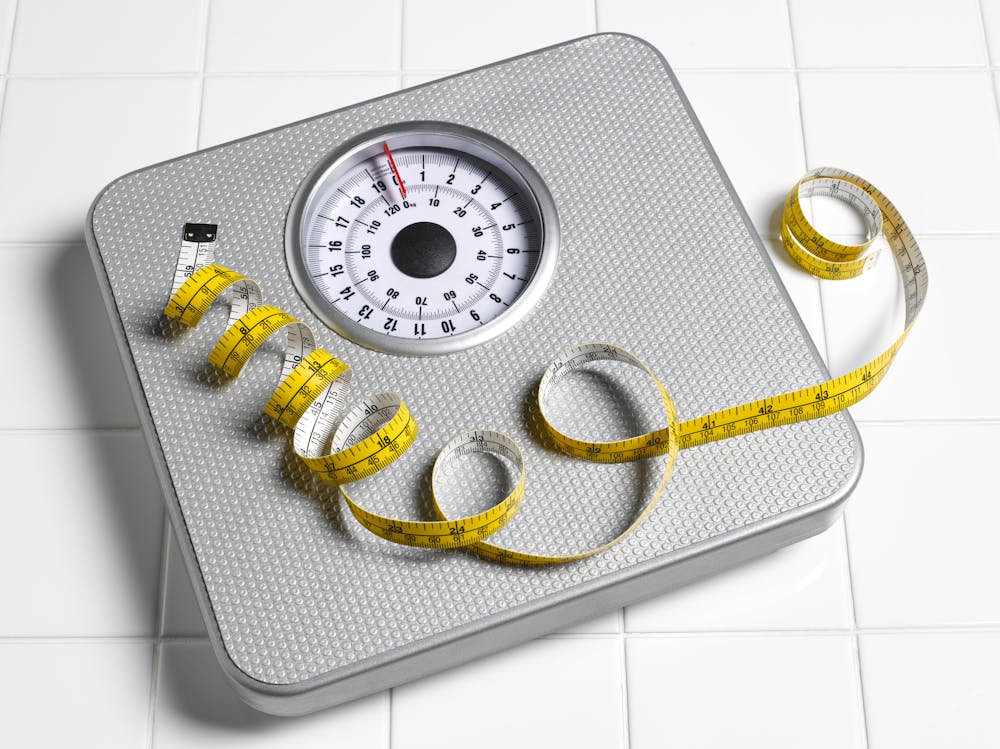
Tape measure lying on top of a scale on a white tile background.
Weight management plans should take into consideration a person’s schedule, lifestyle and health history.
Peter Dazeley/The Image Bank via Getty Images

Nourish your body with nutrients

Despite the prevalence of obesity and the emergence of newer drugs to treat it, 95% of the world’s population doesn’t get enough of at least one nutrient. According to one study, nearly one-third of Americans have been found to be at risk of at least one nutrient deficiency. Additional research indicates that those actively trying to lose weight are more prone to nutrient deficiencies and inadequate intake.

For instance, a decline in iron intake can lead to iron deficiency anemia, which can cause fatigue as well as an increased risk of many conditions. Adequate intake of calcium and Vitamin D reduce the risk of bone fractures, yet many people get less than the recommended amounts of these nutrients.

It is true that a healthy body weight is associated with reduced health risks and conditions. But if a person loses weight in a manner that does not provide their body with adequate nourishment, then they may develop new health concerns. For example, when a person follows a diet that severely restricts carbohydrates, such as the ketogenic diet, intake of many vitamins, minerals, phytochemicals – or biologically active compounds found in plants – and fiber are reduced. This can increase risk of nutrient deficiencies and impair the health of bacteria in our gut that are important for nutrient absorption and immune function.

Nutrition recommendations set by the Food and Nutrition Board of the National Academies of Sciences, Engineering, and Medicine and the Dietary Guidelines for Americans provide guidance and resources to help meet nutrient needs to promote health and prevent disease, regardless of the strategy used to lose weight.

His transformation began with a wake-up call from the doctor.

Optimizing health

There is no doubt that striving for a healthy body weight can reduce certain health risks and prevent chronic disease. Whether a person strives to maintain a healthy body weight through diet alone or with medications to treat obesity, the following tips can help optimize health while attempting to lose weight.

  1. Adopt an individualized approach to healthy behaviors that promote weight loss while considering personal preferences, environmental challenges, health conditions and nutrient needs.
  2. Focus on nutrient-dense foods to ensure the body is getting required nutrients for disease prevention and optimal function. If medications reduce your appetite, it is crucial to maximize the amount of nutrients in the foods you do consume.
  3. Include exercise in your program. Weight loss as a result of reduced calorie intake can decrease both fat and lean body mass, or muscle. An exercise routine that includes strength training will help improve muscle strength and preserve muscle during weight loss.
  4. Seek professional help. If you are uncertain about how to adopt an individualized approach while ensuring adequate intake of essential nutrients, talk to a registered dietitian. They can learn about your individual needs based on preferences, health conditions and goals to make dietary recommendations that support health.

This article has been corrected to clarify that Ozempic is approved for the treatment of Type 2 diabetes and Wegovy is approved for the treatment of obesity.

Mandy Conrad, Assistant Clinical Professor in Nutrition and Dietetics, Mississippi State University

This article is republished from The Conversation under a Creative Commons license. Read the original article.


Source: The Conversation
ShareTweet
Mandy Conrad

Mandy Conrad

Mandy Conrad, Ph.D., RDN, LD received her doctorate in nutrition from Mississippi State University in 2021. She received her master’s degree in health promotion, as well as two bachelor’s degrees in food and nutrition and in fitness management from Mississippi State. Dr. Conrad completed a dietetic internship at the University of Delaware and has been a registered dietitian since 2004.

Leave a Reply Cancel reply

Your email address will not be published. Required fields are marked *

Videos

This conversation focuses on debunking myths surrounding GLP-1 medications, particularly the misinformation about their association with pancreatic cancer. The speaker emphasizes the importance of understanding clinical study designs, especially the distinction between observational studies and randomized controlled trials. The discussion highlights the need for patients to critically evaluate the sources of information regarding medication side effects and to empower themselves in their healthcare decisions.

Takeaways
GLP-1 medications are not linked to pancreatic cancer.
Peer-reviewed studies debunk misinformation about GLP-1s.
Anecdotal evidence is not reliable for general conclusions.
Observational studies have limitations in generalizability.
Understanding study design is crucial for evaluating claims.
Symptoms should be discussed in the context of clinical conditions.
Not all side effects reported are relevant to every patient.
Observational studies can provide valuable insights but are context-specific.
Patients should critically assess the relevance of studies to their own experiences.
Engagement in discussions about specific studies can enhance understanding

Chapters
00:00
Debunking GLP-1 Medication Myths
02:56
Understanding Clinical Study Designs
05:54
The Role of Observational Studies in Healthcare
Debunking Myths About GLP-1 Medications
YouTube Video DM9Do_V6_sU
Subscribe

2027 Medicare Advantage & Part D Advance Notice

Clinical Reads

BIIB080 in Mild Alzheimer’s Disease: What a Phase 1b Exploratory Clinical Analysis Can—and Cannot—Tell Us

BIIB080 in Mild Alzheimer’s Disease: What a Phase 1b Exploratory Clinical Analysis Can—and Cannot—Tell Us

by Daily Remedy
February 15, 2026
0

Can lowering tau biology translate into a clinically meaningful slowing of decline in people with early symptomatic Alzheimer’s disease? That is the practical question behind BIIB080, an intrathecal antisense therapy designed to reduce production of tau protein by targeting the tau gene transcript. In a phase 1b program originally designed for safety and dosing, investigators later examined cognitive, functional, and global outcomes as exploratory endpoints. The clinical question matters because current disease-modifying options primarily target amyloid, while tau pathology tracks...

Read more

Join Our Newsletter!

Twitter Updates

Tweets by TheDailyRemedy

Popular

  • The Prevention Gap in Dementia Care

    The Prevention Gap in Dementia Care

    0 shares
    Share 0 Tweet 0
  • Healthcare in Space

    1 shares
    Share 0 Tweet 0
  • Healthcare Natural Rights

    0 shares
    Share 0 Tweet 0
  • Heat Safety Tips Every Pregnant Mother Should Know

    0 shares
    Share 0 Tweet 0
  • What is the 411 on the New 988 Hotline?

    0 shares
    Share 0 Tweet 0
  • 628 Followers

Daily Remedy

Daily Remedy offers the best in healthcare information and healthcare editorial content. We take pride in consistently delivering only the highest quality of insight and analysis to ensure our audience is well-informed about current healthcare topics - beyond the traditional headlines.

Daily Remedy website services, content, and products are for informational purposes only. We do not provide medical advice, diagnosis, or treatment. All rights reserved.

Important Links

  • Support Us
  • About Us
  • Contact us
  • Privacy Policy
  • Terms and Conditions

Join Our Newsletter!

  • Survey
  • Podcast
  • About Us
  • Contact us

© 2026 Daily Remedy

No Result
View All Result
  • Home
  • Articles
  • Podcasts
  • Surveys
  • Courses
  • About Us
  • Contact us
  • Support Us
  • Official Learner

© 2026 Daily Remedy
