
Sunday, April 5, 2026
ISSN 2765-8767
  • Survey
  • Podcast
  • Write for Us
  • My Account
  • Log In
Daily Remedy
  • Home
  • Articles
  • Podcasts
    The Hidden Costs Employers Don’t See in Traditional Health Plans

    The Hidden Costs Employers Don’t See in Traditional Health Plans

    March 22, 2026
    The Impact of COVID-19 on Patient Trust

    The Impact of COVID-19 on Patient Trust

    March 3, 2026
    Debunking Myths About GLP-1 Medications

    Debunking Myths About GLP-1 Medications

    February 16, 2026
    The Future of LLMs in Healthcare

    The Future of LLMs in Healthcare

    January 26, 2026
    The Future of Healthcare Consumerism

    The Future of Healthcare Consumerism

    January 22, 2026
    Your Body, Your Health Care: A Conversation with Dr. Jeffrey Singer

    Your Body, Your Health Care: A Conversation with Dr. Jeffrey Singer

    July 1, 2025
  • Surveys

    Surveys

    Understanding of Clinical Evidence in Peptide and Hormone Use

    Understanding of Clinical Evidence in Peptide and Hormone Use

    March 30, 2026
    Public Sentiment on the Future of Peptides and Hormone Therapies in U.S. Medicine

    Public Sentiment on the Future of Peptides and Hormone Therapies in U.S. Medicine

    March 17, 2026

    Survey Results

    Can you tell when your provider does not trust you?

    Can you tell when your provider does not trust you?

    January 18, 2026
    Do you believe national polls on health issues are accurate

    National health polls: trust in healthcare system accuracy?

    May 8, 2024
    Which health policy issues matter the most to Republican voters in the primaries?

    Which health policy issues matter the most to Republican voters in the primaries?

    May 14, 2024
    How strongly do you believe that you can tell when your provider does not trust you?

    How strongly do you believe that you can tell when your provider does not trust you?

    May 7, 2024
  • Courses
  • About Us
  • Contact us
  • Support Us
  • Official Learner
No Result
View All Result
  • Home
  • Articles
  • Podcasts
    The Hidden Costs Employers Don’t See in Traditional Health Plans

    The Hidden Costs Employers Don’t See in Traditional Health Plans

    March 22, 2026
    The Impact of COVID-19 on Patient Trust

    The Impact of COVID-19 on Patient Trust

    March 3, 2026
    Debunking Myths About GLP-1 Medications

    Debunking Myths About GLP-1 Medications

    February 16, 2026
    The Future of LLMs in Healthcare

    The Future of LLMs in Healthcare

    January 26, 2026
    The Future of Healthcare Consumerism

    The Future of Healthcare Consumerism

    January 22, 2026
    Your Body, Your Health Care: A Conversation with Dr. Jeffrey Singer

    Your Body, Your Health Care: A Conversation with Dr. Jeffrey Singer

    July 1, 2025
  • Surveys

    Surveys

    Understanding of Clinical Evidence in Peptide and Hormone Use

    Understanding of Clinical Evidence in Peptide and Hormone Use

    March 30, 2026
    Public Sentiment on the Future of Peptides and Hormone Therapies in U.S. Medicine

    Public Sentiment on the Future of Peptides and Hormone Therapies in U.S. Medicine

    March 17, 2026

    Survey Results

    Can you tell when your provider does not trust you?

    Can you tell when your provider does not trust you?

    January 18, 2026
    Do you believe national polls on health issues are accurate

    National health polls: trust in healthcare system accuracy?

    May 8, 2024
    Which health policy issues matter the most to Republican voters in the primaries?

    Which health policy issues matter the most to Republican voters in the primaries?

    May 14, 2024
    How strongly do you believe that you can tell when your provider does not trust you?

    How strongly do you believe that you can tell when your provider does not trust you?

    May 7, 2024
  • Courses
  • About Us
  • Contact us
  • Support Us
  • Official Learner
No Result
View All Result
Daily Remedy
No Result
View All Result
Home Perspectives

Medical Schools Turn Thespian

Medicine is both an art and a science

Josh Neufeld by Josh Neufeld
April 18, 2024
in Perspectives
0
Medical Schools Turn Thespian

Liam McGarry

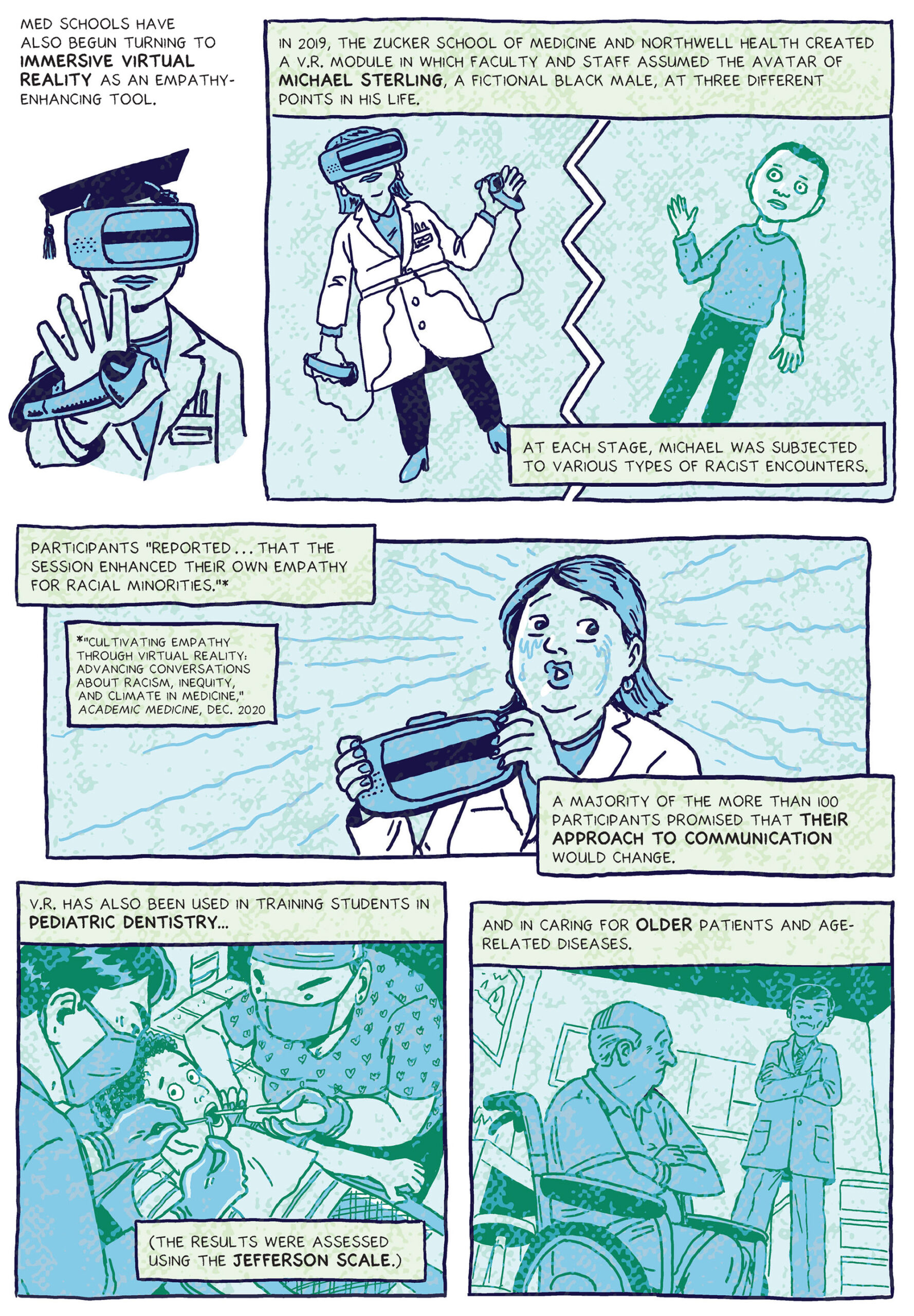
Empathy 101: How medical schools are using improv theater, virtual reality and comics to help physicians understand their patients

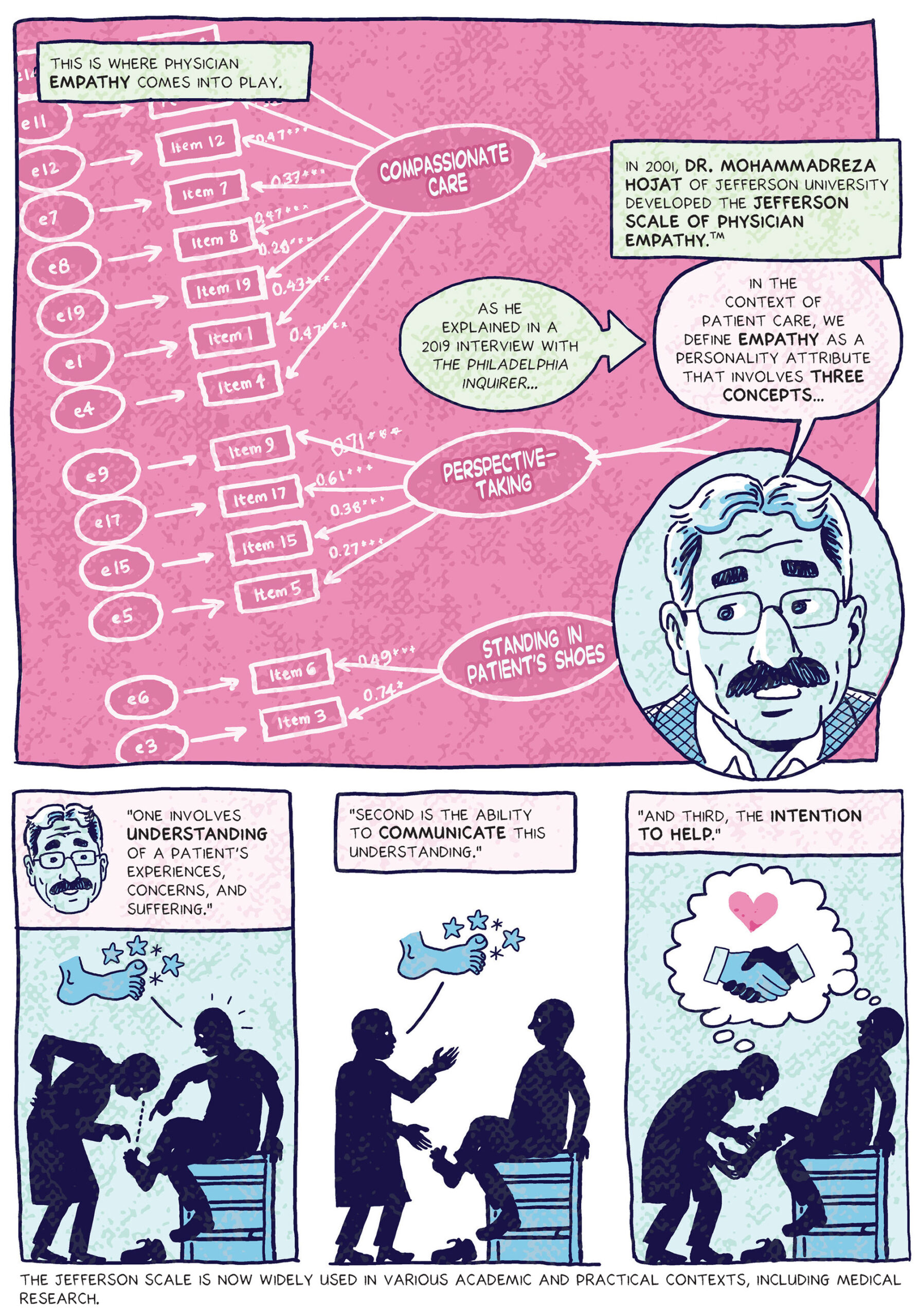
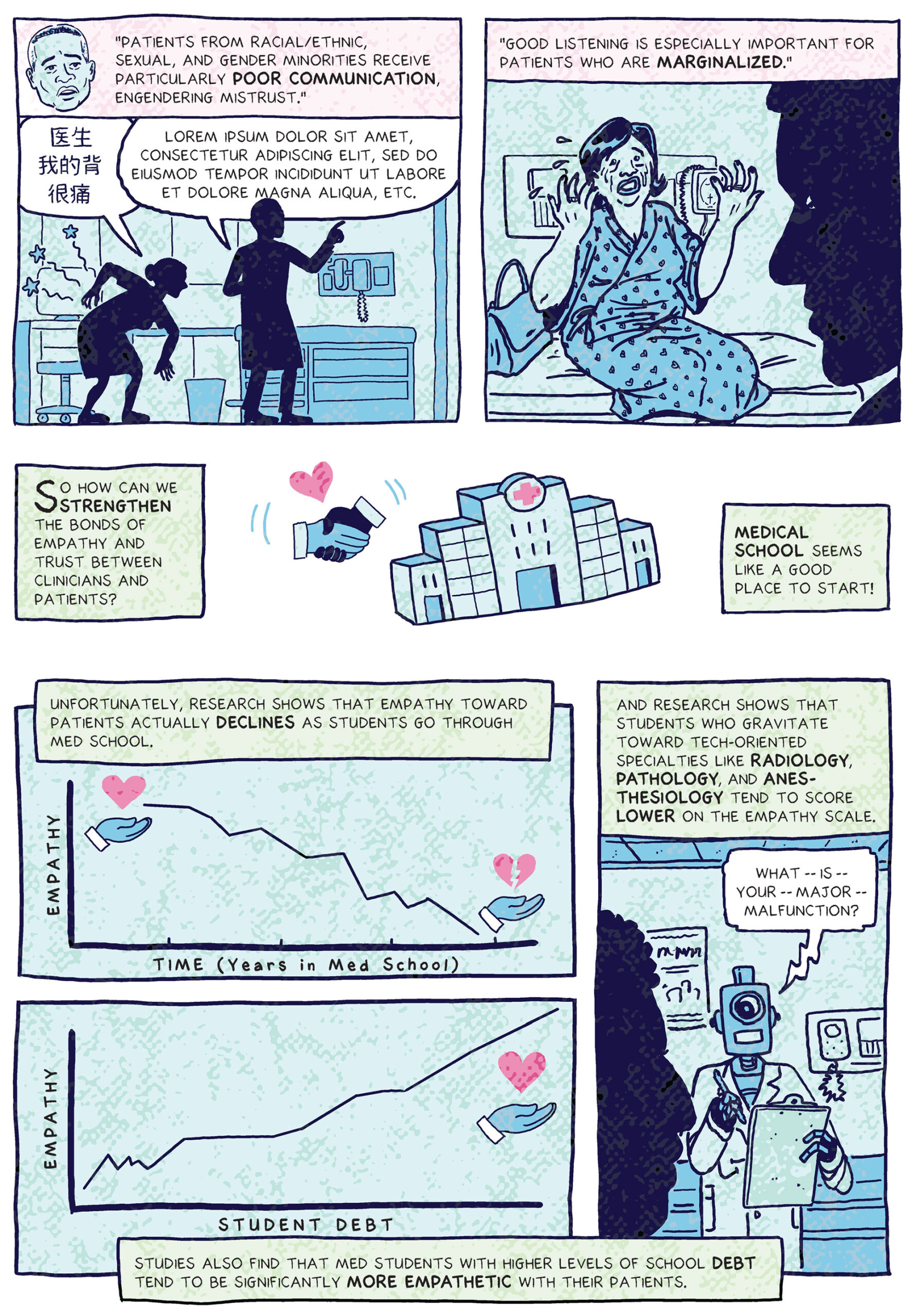
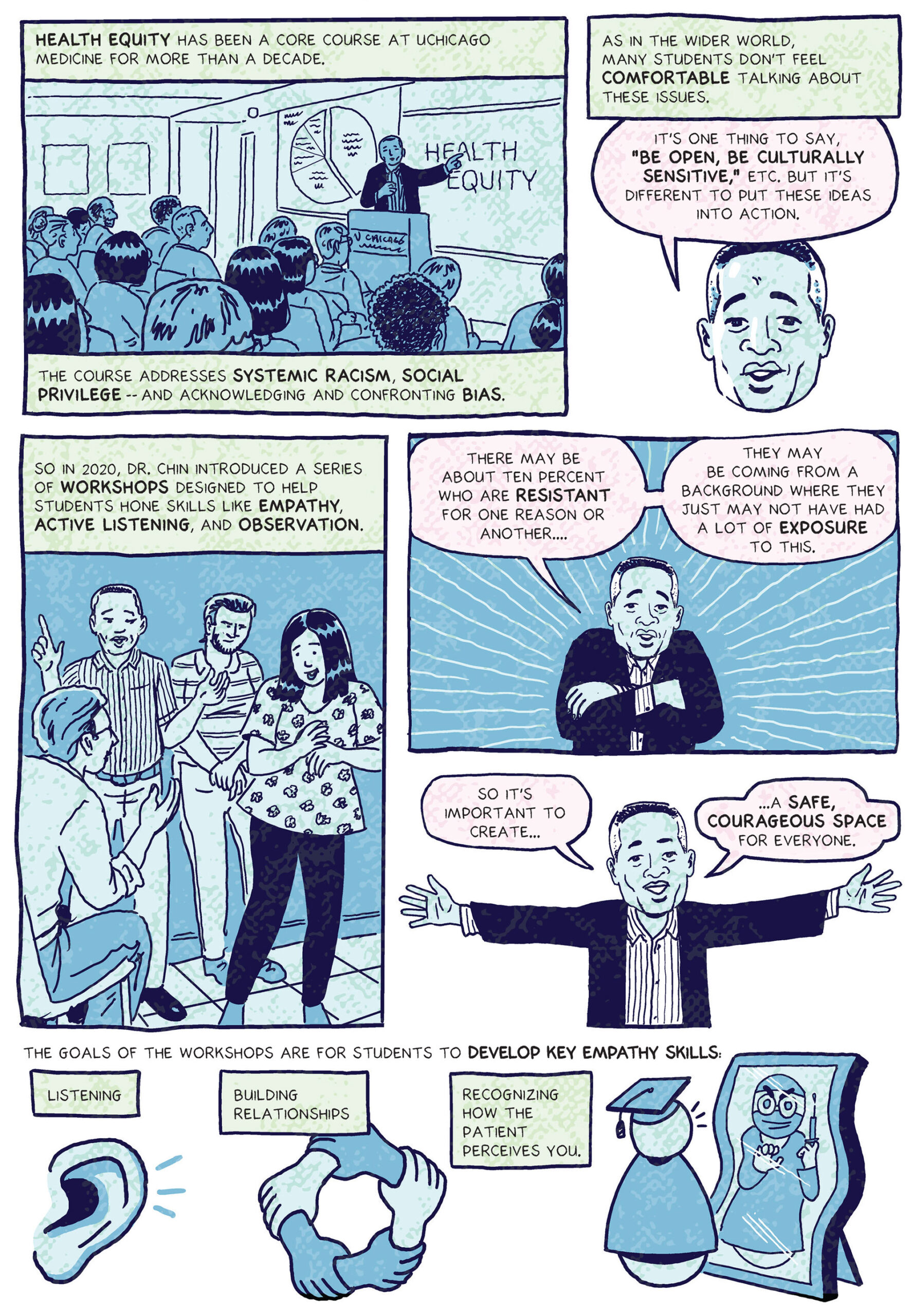
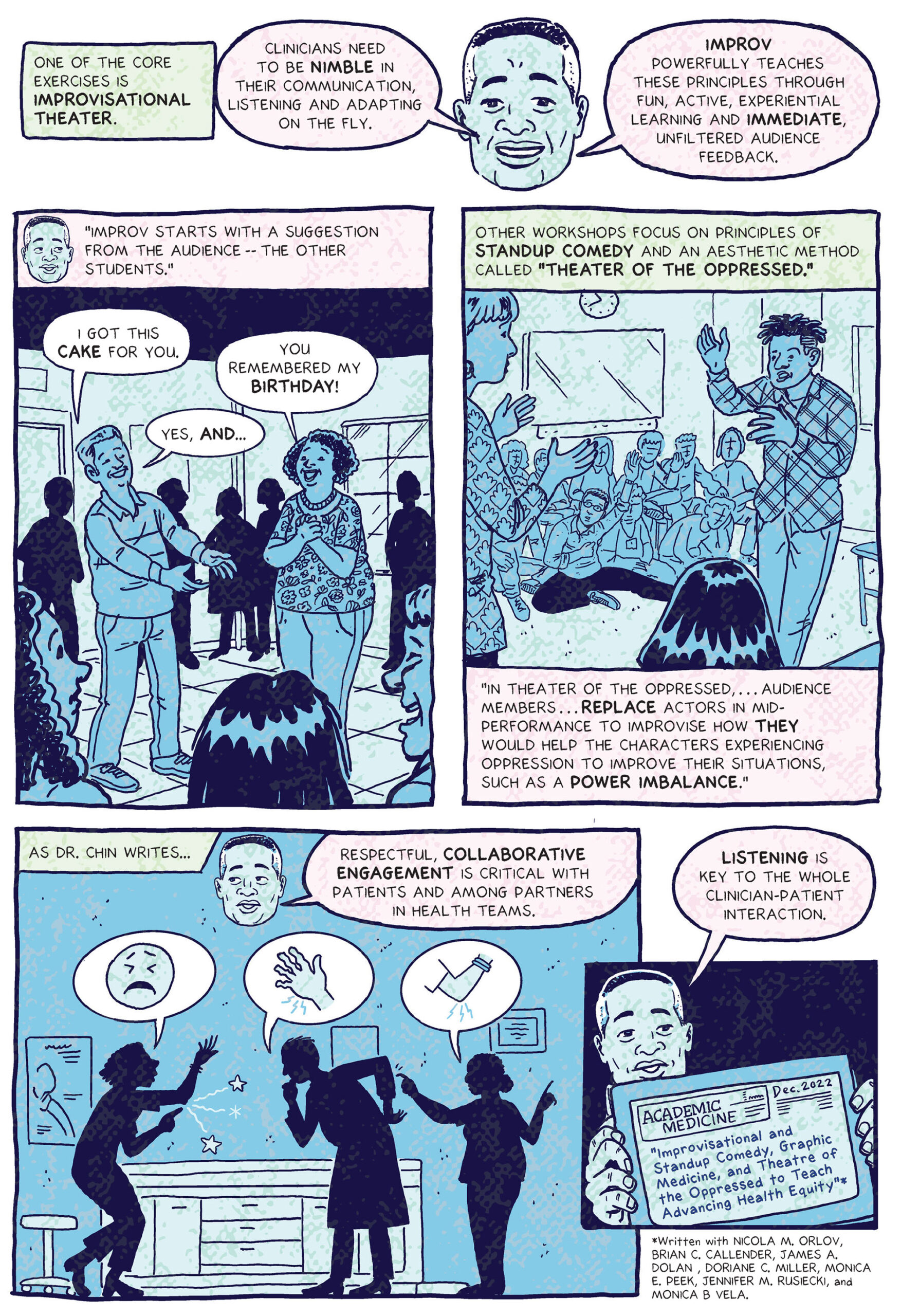
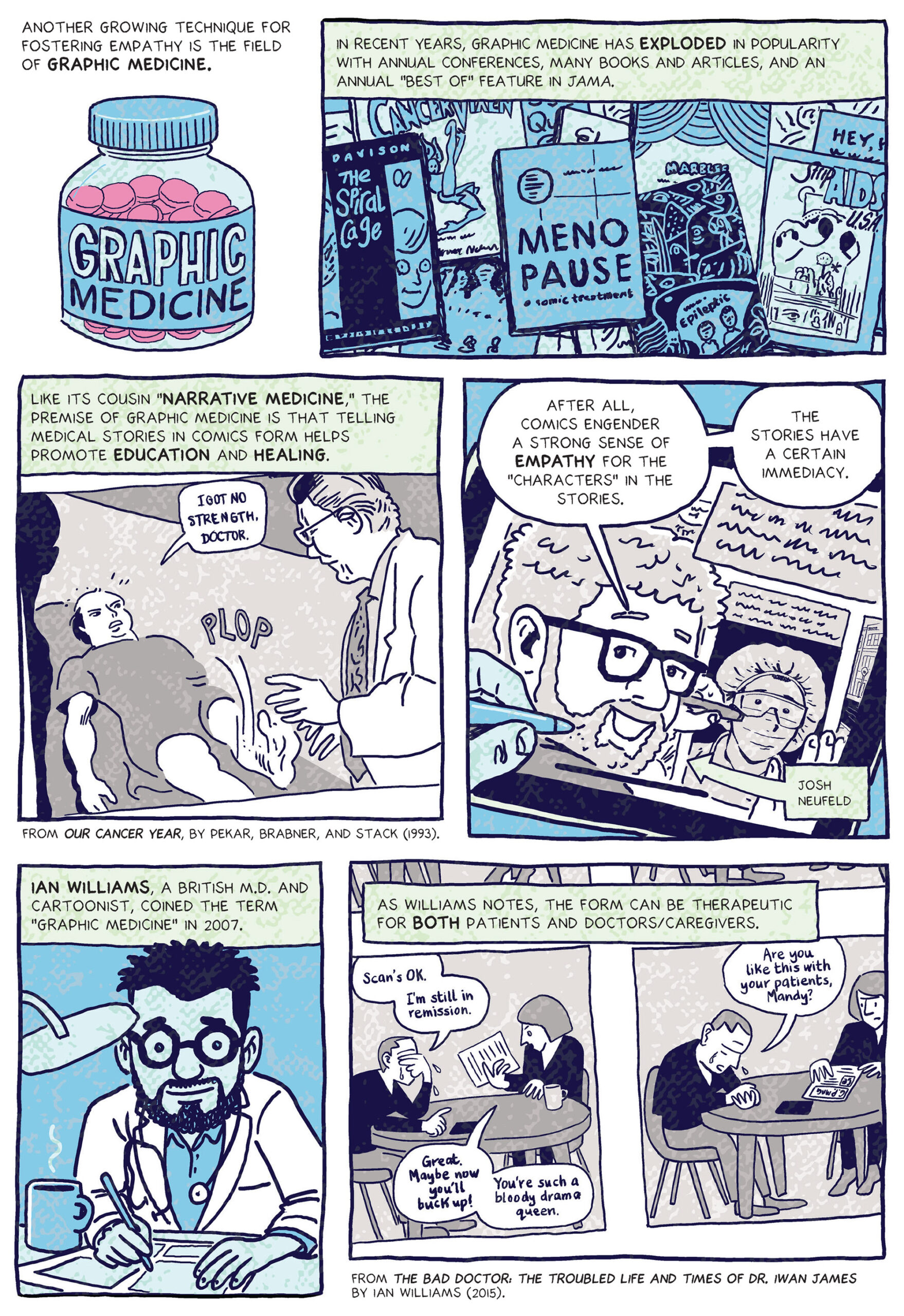
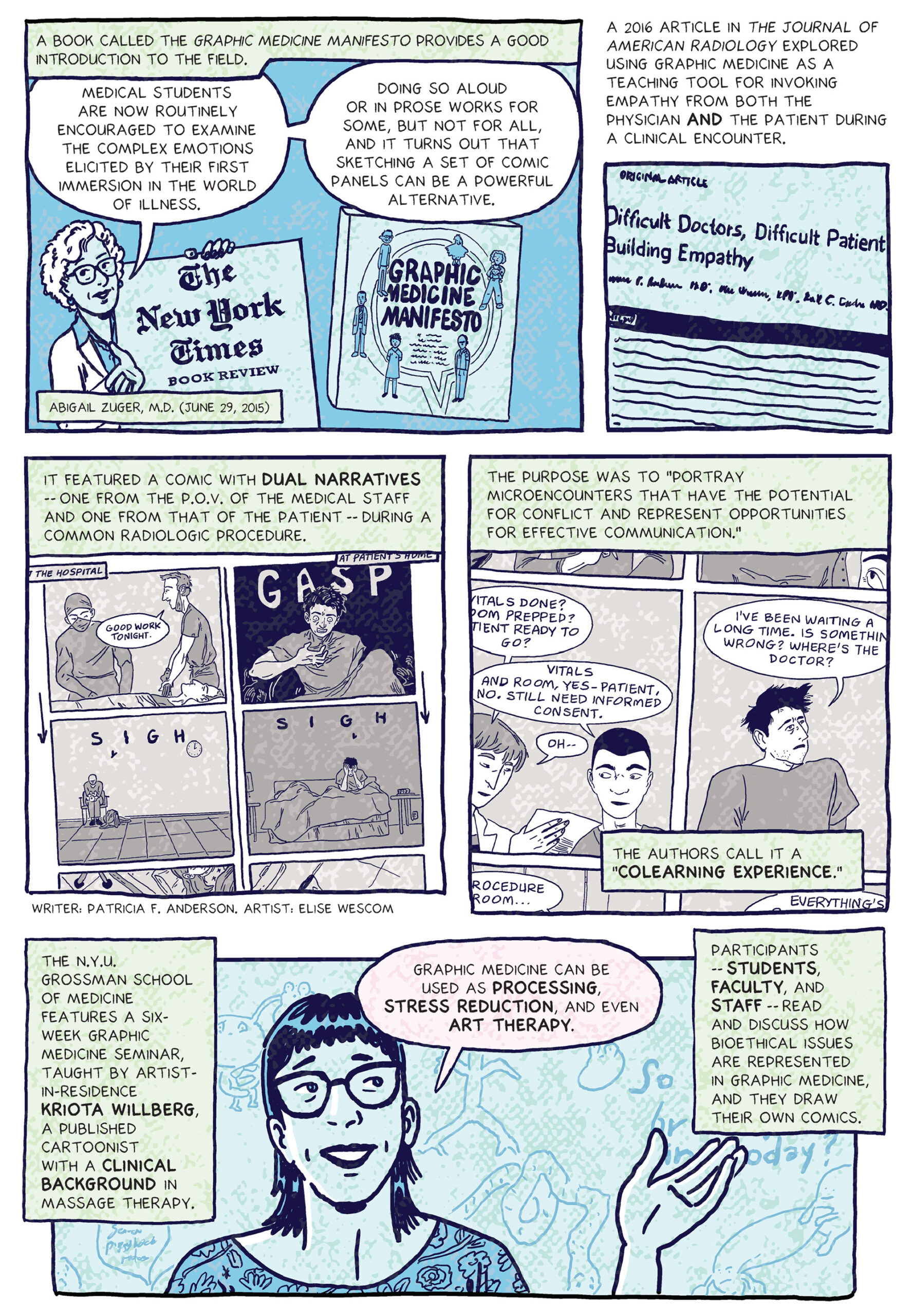
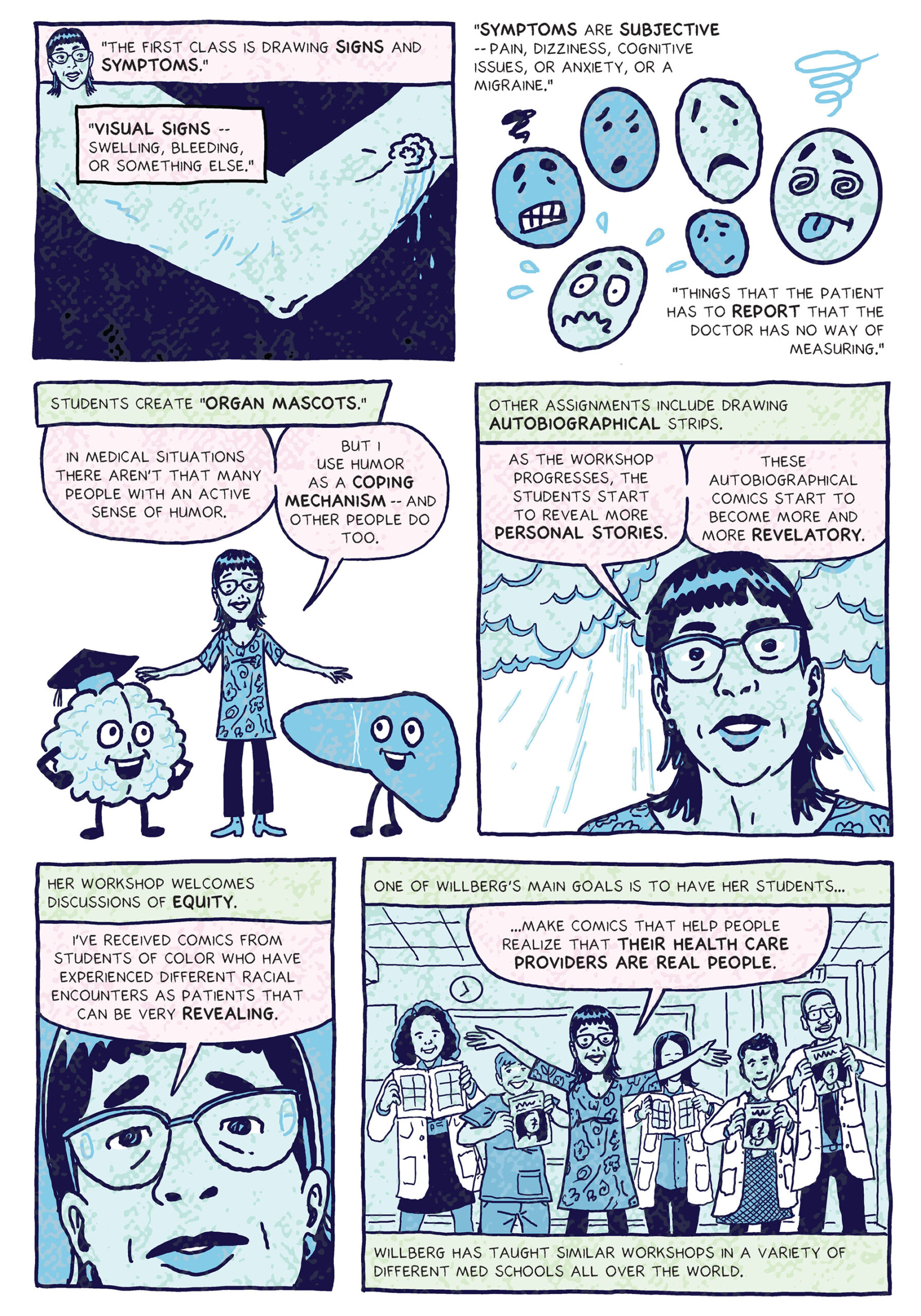
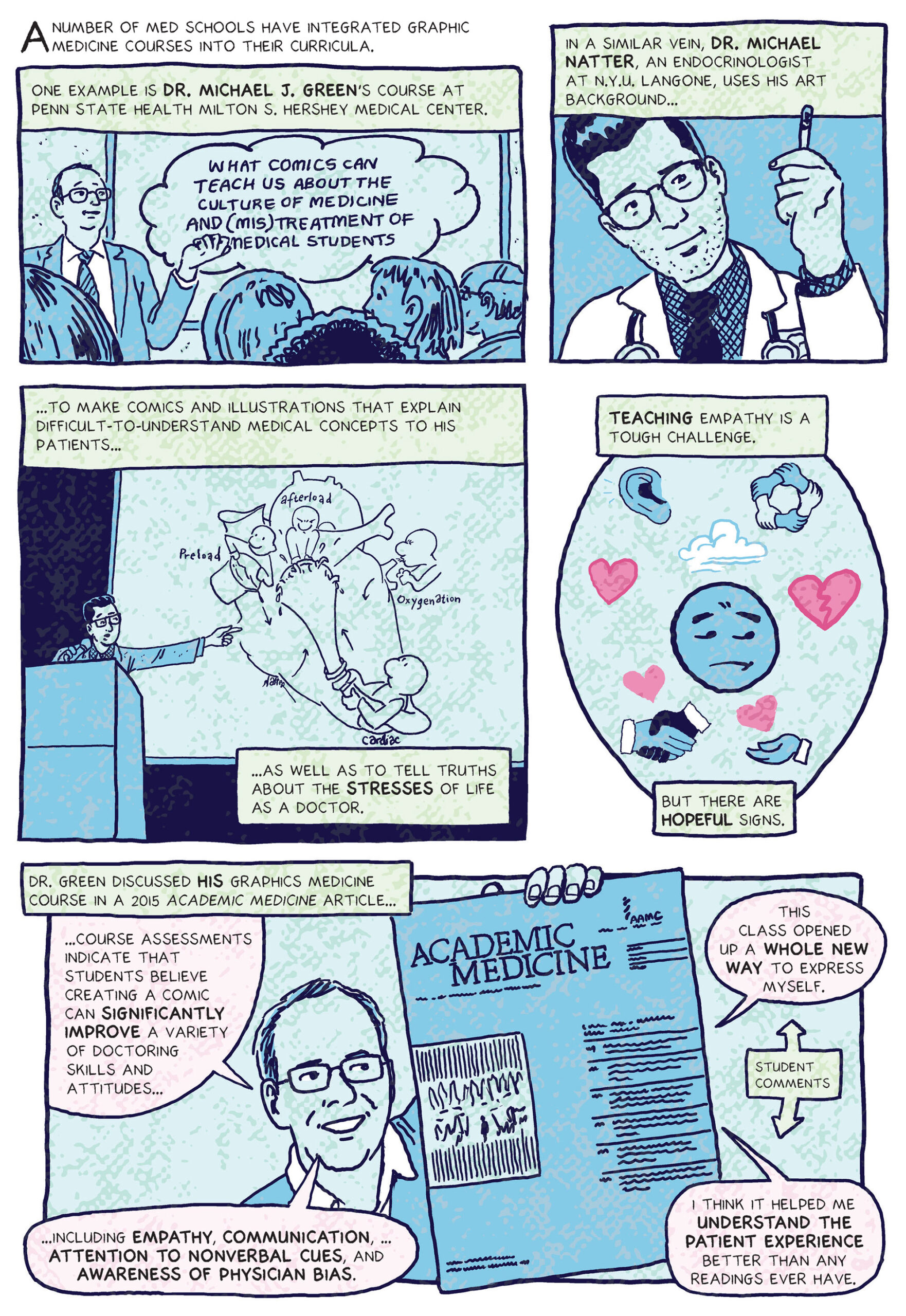
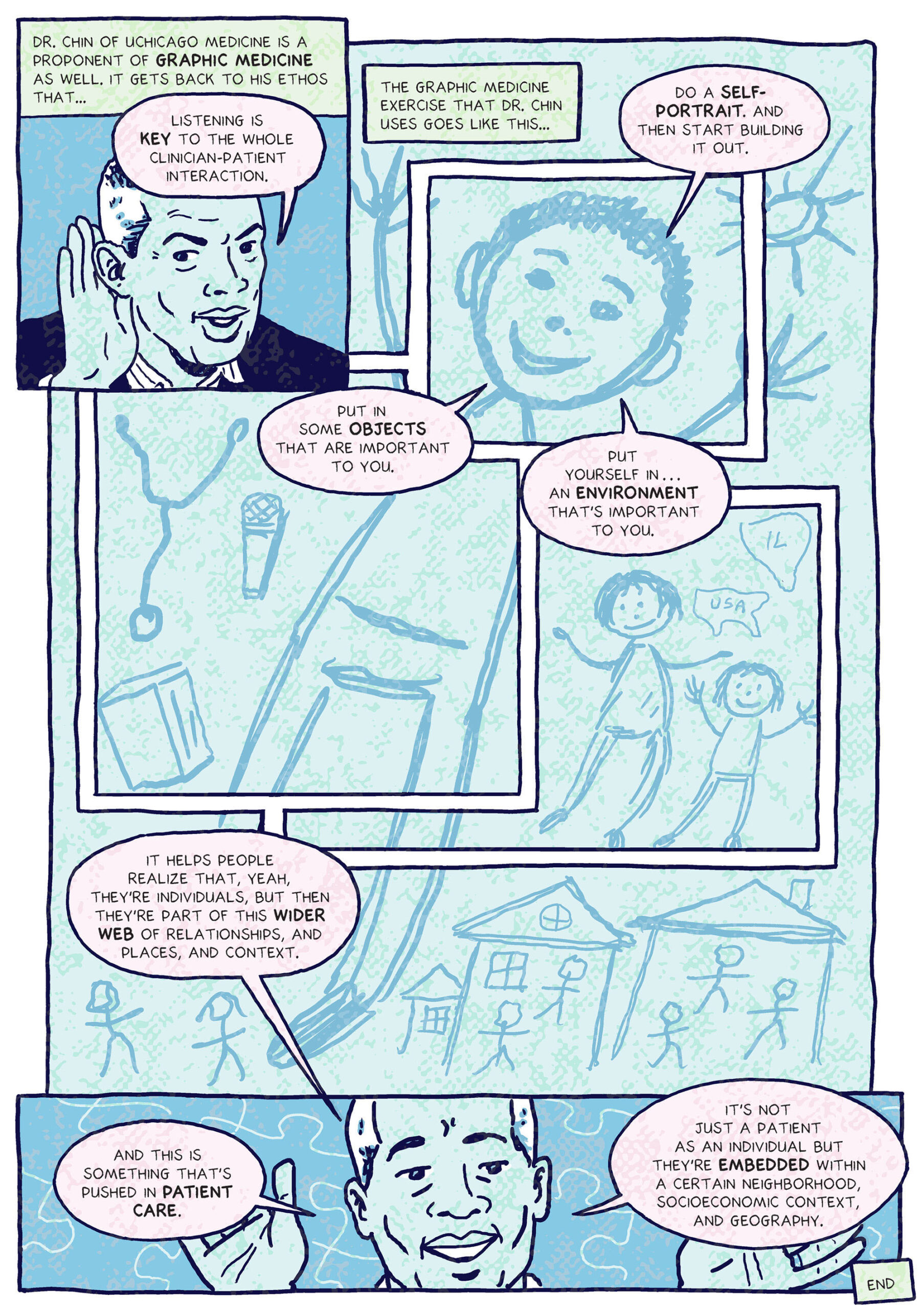
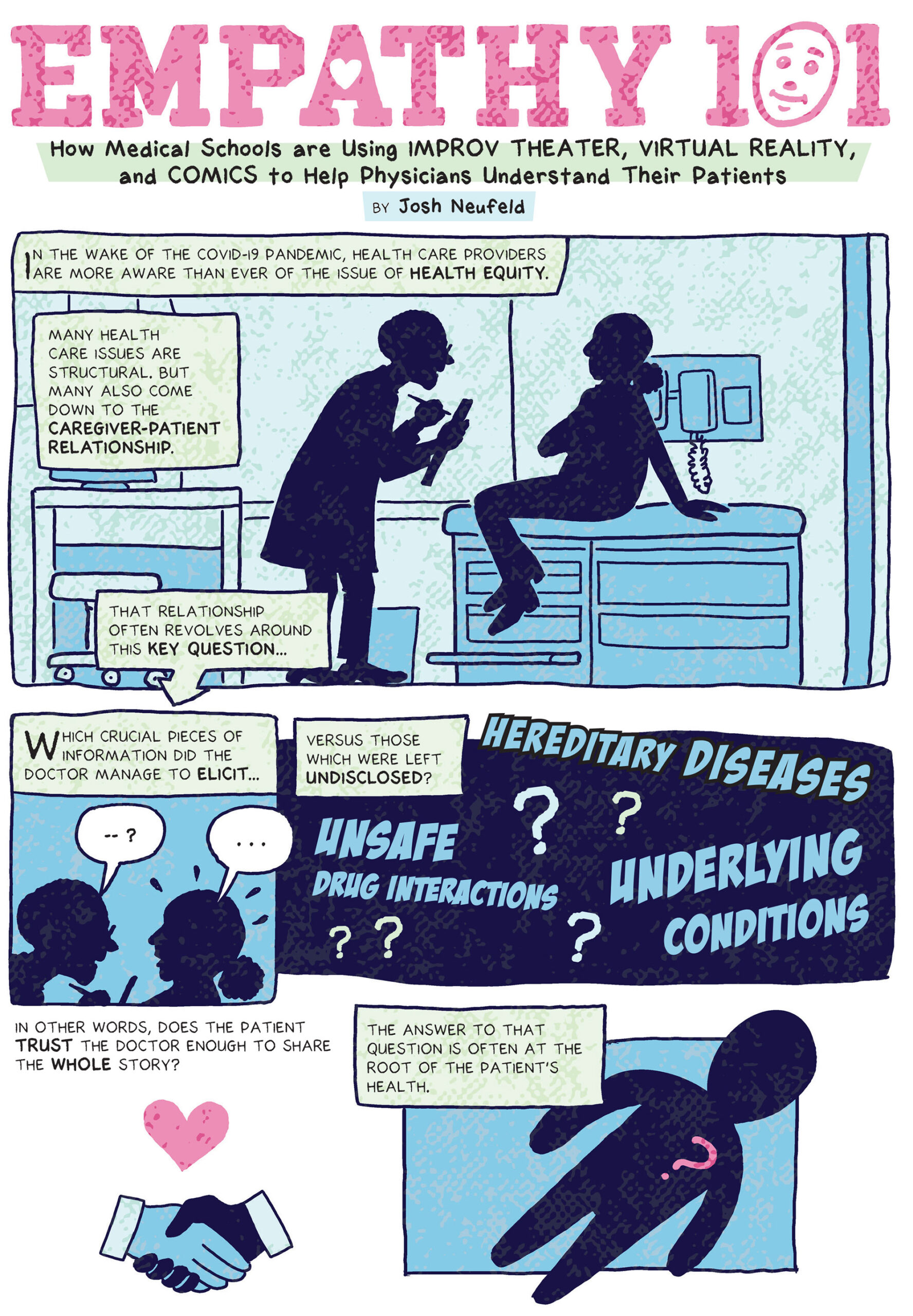
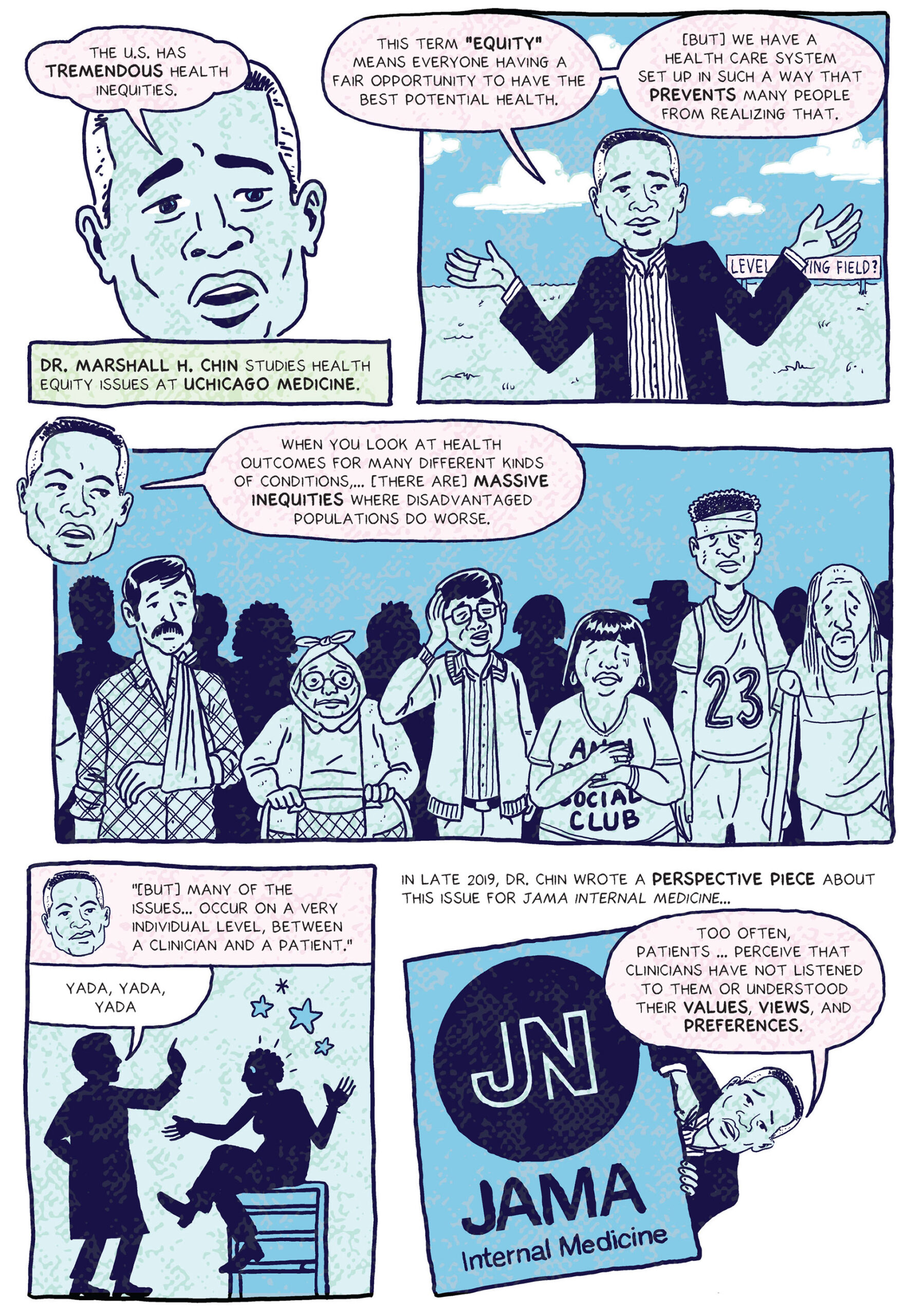
In “Empathy 101,” comics journalist Josh Neufeld uses the comic book form to highlight how medical schools across the U.S. have explored improv comedy, virtual reality and, yes, comics to improve communication and understanding between physicians and their patients.

The comic self-reflectively discusses the growing field of graphic medicine, which uses comics as a tool to tell personal stories about health care experiences, as well as to distill and discuss complex medical topics. Neufeld considers comics an ideal medium for a nonfiction piece about topic at hand. As he explains, comics “engender a strong sense of empathy for the ‘characters’ in the story.”

Neufeld’s well-sourced comic draws on a large body of published academic research, newspaper articles, and interviews with expert sources, including Dr. Marshall Chin, a physician and professor who teaches health equity courses at U. Chicago Medicine; Dr. Mohammadreza Hojat, a research professor at Thomas Jefferson University, who developed the Jefferson Scale of Empathy to measure the capacity in health care providers; and Kriota Willberg, a visual artist and clinical massage therapist who practices and teaches graphic medicine.

The characters’ quotes, appearing in shaded pink speech bubbles or pink rectangles, come directly from their interviews with Neufeld, from their interviews in newspaper articles, or from research papers authored by the characters. The text in light green represents Neufeld’s own narrative.

Neufeld is the creator of several graphic medicine comics, including “Vaccinated at the Ball: A True Story about Trusted Messengers,” which won the 2023 GMIC Award for Excellence in Graphic Medicine, Short Form, from the Graphic Medicine International Collective.
 

empathy

Sources:

“Lessons From Improv Comedy to Reduce Health Disparities.” Marshall H. Chin. JAMA Internal Medicine, December 2019.

“5 Questions: How Doctors’ Empathy Improves Patient Care: Studies Have Shown That Physicians Who Score Higher on Empathy Have More Positive Patient Outcomes.” Sandy Bauers. The Philadelphia Inquirer, October 2019.

“Does Empathy Decline in the Clinical Phase of Medical Education? A Nationwide Multi-Institutional Cross-Sectional Study of Students at DO-Granting Medical Schools.” Mohammadreza Hojat, Stephen C. Shannon, Jennifer DeSantis, Mark R. Speicher, Lynn Bragan and Leonard H. Calabrese. Academic Medicine, June 2020.

“Changes in Empathy During Medical Education: An Example From Turkey.” Fusun Artiran Igde and Mustafa Kursat Sahin. Pakistan Journal of Medical Sciences, September/October 2017.

“Empathy Decline and its Reasons: A Systematic Review of Studies with Medical Students and Residents.” Melanie Neumann, Friedrich Edelhäuse. Diethard Tauschel, Martin R Fischer, Markus Wirtz, Christiane Woopen, Aviad Haramati, and Christian Scheffer. Academic Medicine, August 2011.

“Characterizing Changes in Student Empathy Throughout Medical School.” Daniel C. R. Chen, Daniel S. Kirshenbaum, Jun Yan, Elaine Kirshenbaum, and Robert H. Aseltine. Medical Teacher, March 2012.

“A Cross-sectional Measurement of Medical Student Empathy.” Daniel Chen, Robert Lew, Warren Hershman, and Jay Orlander.  Journal of General Internal Medicine, July 2007.

“Improvisational and Standup Comedy Graphic Medicine and Theatre of the Oppressed to Teach Advancing Health Equity.” Marshall H. Chin, Nicola M. Orlov, Brian C. Callender, James Dolan, Doriane C. Miller, Monica E. Peek, Jennifer M. Rusiecki and Monica B. Vela. Academic Medicine, December 2022.

“Cultivating Empathy Through Virtual Reality: Advancing Conversations About Racism Inequity and Climate in Medicine.” Robert O. Roswell, Courtney D. Cogburn, Jack Tocco, Johanna Martinez, Catherine Bangeranye, Jeremy N. Bailenson, Michael Wright, Jennifer H. Mieres and Lawrence Smith. Academic Medicine, November 2020.

“Increasing Empathy for Children in Dental Students Using Virtual Reality.” Shijia Hu and Bien Wen Pui Lai. International Journal of Pediatric Dentistry, February 2022.

“Using Virtual Reality in Medical Education to Teach Empathy.” Elizabeth Dyer, Barbara J. Swartzlander and Marilyn R. Gugliucci. Journal of the Medical Library Association, October 2018.

“Best of Graphic Medicine – The 2023 Graphic Medicine International Collective Awards.” Michael J. Green and Kevin Wolf. JAMA, December 2023.

“Our Cancer Year.” Harvey Pekar (author), Joyce Brabner (author), and Frank Stack (illustrator). Da Capo Press, 1994.

“The Bad Doctor: The Troubled Life and Times of Dr. Iwan James.” Ian Williams. Pennsylvania State University Press, 2015.

“Documenting serious issues with comics journalism: An interview with Josh Neufeld.” Carmen Nobel.  The Journalist’s Resource, November 2020.

“A Tale of Two Pandemics: A Nonfiction Comic About Historical Racial Health Disparities.” by The Journalists’ Resource on Nov. 16, 2020: journalistsresource

“Review: ‘The Bad Doctor’ and ‘Graphic Medicine Manifesto’.” Abigail Zuger. The New York Times Book Review, June 2015.

“The Graphic Medicine Manifesto.”  MK Czerwiec, Ian Williams, Susan Merrill Squier, Michael J. Green, Kimberly R. Myers, and Scott T. Smith. Pennsylvania State University Press, 2015.

“Difficult Doctors, Difficult Patients: Building Empathy.” Patricia F. Anderson, Elise Wesco and Ruth C. Carlos. Journal of the American College of Radiology, December 2016.

“Comics and Medicine: Helping Med Students Form Their Professional Identities.” Penn State Health News, May 2015.

“Green Gets Serious About Comics: Professor Discusses Benefits of Graphic Medicine at National Institutes of Health.” Penn State, April 2018.

Dr. Green’s 7-class online higher education curriculum on graphic medicine, which can be found here.

“Don’t Understand How Diabetes Works? Dr. Michael Natter Can Draw It Out for You.” NYU Langone  Health News Hub, November 2023.

“Comics and Medicine: Peering Into the Process of Professional Identity Formation.” Michael Green.  Academic Medicine, June 2015.

This article first appeared on The Journalist’s Resource and is republished here under a Creative Commons license.



Source: The Journalist's Resource
ShareTweet
Josh Neufeld

Josh Neufeld

Josh Neufeld is an alternative cartoonist known for his comics journalism work on subjects like graphic medicine, equity, and technology; as well as his collaborations with writers like Harvey Pekar and Brooke Gladstone. He is the writer/artist of A.D.: New Orleans After the Deluge, and the illustrator of The Influencing Machine: Brooke Gladstone on the Media.

Leave a Reply Cancel reply

Your email address will not be published. Required fields are marked *

Videos

Most employers are unknowingly steering their health plans toward higher costs and reduced control — until they understand how fiduciary missteps and anti-competitive contracts bleed their budgets dry. Katie Talento, a recognized health policy leader, reveals how shifting the network paradigm can save millions by emphasizing independent providers, direct contracting, and innovative tiering models.

Grounded in real-world case studies like Harris Rosen’s community-driven initiative, this episode dives deep into practical strategies to realign incentives—focusing on primary care, specialty care, and transparent vendor relationships. You'll discover how traditional carrier networks are often Trojan horses, locking employers into costly, opaque arrangements that undermine fiduciary duties. Katie breaks down simple yet powerful reforms: owning your data, eliminating conflicts of interest, and outlawing anti-competitive contract clauses.

We explore how a post-network framework—where patients are free to choose providers without restrictive network barriers—can massively reduce costs and improve health outcomes. You'll learn why independent, locally owned providers are vital to rebuilding trust, reducing unnecessary procedures, and reinvesting savings into the community. This conversation offers clarity on the unseen legal landmines employers face and actionable ways to craft health plans built on transparency, independence, and aligned incentives.

Perfect for HR pros, benefits advisors, physicians, and employer leaders committed to transforming healthcare from the ground up. If you’re tired of broken healthcare models draining your budget and frustrating your staff, this episode will empower you to take control by understanding and reshaping the very foundations of employer-sponsored health. Discover the blueprint for smarter, fairer, and more sustainable benefits.

Visit katytalento.com or allbetter.health to connect directly and explore how these innovations can work for your organization. Your path toward a healthier, more cost-effective future starts here.

Chapters

00:00 Introduction to Employer-Sponsored Health Plans
02:50 Understanding ERISA and Fiduciary Responsibilities
06:08 The Misalignment of Clinical and Financial Interests
08:54 Enforcement and Legal Implications for Employers
11:49 Redefining Networks: The Post-Network Framework
25:34 Navigating Healthcare Contracts and Cash Payments
27:31 Understanding Employer Health Plan Structures
28:04 The Role of Benefits Advisors in Health Plans
30:45 Governance and Data Ownership in Health Plans
37:05 Case Study: The Rosen Hotels' Health Model
41:33 Incentivizing Healthy Choices in Healthcare
47:22 Empowering Primary Care and Independent Providers
The Hidden Costs Employers Don’t See in Traditional Health Plans
YouTube Video xhks7YbmBoY
Subscribe

Policy Shift in Peptide Regulation

Clinical Reads

Semaglutide and the Expansion Problem: When One Trial Becomes a Platform

Semaglutide and the Expansion Problem: When One Trial Becomes a Platform

by Daily Remedy
March 30, 2026
0

Semaglutide has moved beyond its original indication and now sits at the center of a widening set of clinical questions: cardiovascular risk, kidney disease progression, and even neurodegeneration. The question is no longer whether the drug lowers glucose or reduces weight—it does—but how far those effects extend across systems, and whether evidence from one population can be translated into another without distortion. Large, well-powered trials have produced consistent signals, yet those signals are now being applied in contexts that were...

Read more

Join Our Newsletter!

Twitter Updates

Tweets by TheDailyRemedy

Popular

  • A Two Headed Monster - State Attorneys General and the Drug Enforcement Agency

    A Two Headed Monster – State Attorneys General and the Drug Enforcement Agency

    3 shares
    Share 0 Tweet 0
  • Neuralink’s Healthcare Ambitions

    1 shares
    Share 0 Tweet 0
  • Rise of Cash Pay Drugs

    1 shares
    Share 0 Tweet 0
  • Emerson Fought the Materialists

    0 shares
    Share 0 Tweet 0
  • What’s Next for the Obesity Industrial Complex

    0 shares
    Share 0 Tweet 0
  • 628 Followers

Daily Remedy

Daily Remedy offers the best in healthcare information and healthcare editorial content. We take pride in consistently delivering only the highest quality of insight and analysis to ensure our audience is well-informed about current healthcare topics - beyond the traditional headlines.

Daily Remedy website services, content, and products are for informational purposes only. We do not provide medical advice, diagnosis, or treatment. All rights reserved.

Important Links

  • Support Us
  • About Us
  • Contact us
  • Privacy Policy
  • Terms and Conditions

Join Our Newsletter!

  • Survey
  • Podcast
  • About Us
  • Contact us

© 2026 Daily Remedy

No Result
View All Result
  • Home
  • Articles
  • Podcasts
  • Surveys
  • Courses
  • About Us
  • Contact us
  • Support Us
  • Official Learner

© 2026 Daily Remedy