













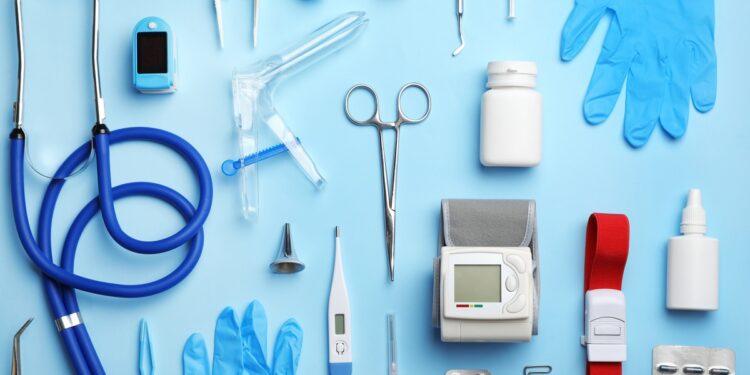
Medical device testing often takes place in controlled environments where temperature, handling, setup, and user instructions are closely managed. This allows manufacturers to assess performance with fewer variables. However, in real-world care, those conditions are rarely the same. Because these differences can affect performance, medical device manufacturers use design validation to evaluate how a device works in its intended use environment.
Cleaning Workflows
Reusable medical devices may undergo cleaning, disinfection, or sterilization multiple times during their service life. These workflows can expose devices to chemicals, moisture, heat, and repeated handling.
Designers should consider practical details such as:
- Easy access to surfaces that require cleaning.
- Clear instructions that staff can follow consistently.
- Materials that can withstand repeated cleaning.
- Possible effects on accuracy or device function.
Repeated cleaning can affect how equipment holds up over time, especially if materials or small parts begin to wear down. Considering these details during design keeps the device safe and reliable.
User Technique
A device may be designed with a clear sequence of steps, but users do not always follow it perfectly. Clinicians may have different training backgrounds, and patients using devices at home may interpret instructions in unexpected ways. Even small differences in grip or placement can affect results.
In urgent care, emergency departments, and inpatient units, users may have limited time to read instructions or correct setup errors. A device that seems intuitive during testing may feel less clear during a stressful clinical moment.
Designers should consider whether critical steps remain clear when users are tired, distracted, or moving quickly. Teams can compare design validation and verification to separate controlled testing results from real-world use expectations.
Transport and Storage
Medical devices may be exposed to vibration when they are moved between rooms or facilities. Repeated vibration can affect sensitive parts, especially screens, sensors, or calibrated components. Drops can pose an even greater risk because a single impact may damage the device or alter its performance.
Heat or cold may harm batteries, sterile packaging, adhesives, or calibration. Rough handling can add further stress, which is why designers should account for transport conditions during development.
Medical devices must perform as intended, and real-world conditions may differ significantly from those in controlled environments. Daily use can involve repeated cleaning, different user habits, movement between settings, and exposure to changing conditions. By designing with routine care environments in mind, manufacturers improve device performance and protect patients.



