













Saturday, February 28, 2026
ISSN 2765-8767
  • Survey
  • Podcast
  • Write for Us
  • My Account
  • Log In
Daily Remedy
  • Home
  • Articles
  • Podcasts
    Debunking Myths About GLP-1 Medications

    Debunking Myths About GLP-1 Medications

    February 16, 2026
    The Future of LLMs in Healthcare

    The Future of LLMs in Healthcare

    January 26, 2026
    The Future of Healthcare Consumerism

    The Future of Healthcare Consumerism

    January 22, 2026
    Your Body, Your Health Care: A Conversation with Dr. Jeffrey Singer

    Your Body, Your Health Care: A Conversation with Dr. Jeffrey Singer

    July 1, 2025

    The cost structure of hospitals nearly doubles

    July 1, 2025
    Navigating the Medical Licensing Maze

    The Fight Against Healthcare Fraud: Dr. Rafai’s Story

    April 8, 2025
  • Surveys

    Surveys

    How Confident Are You in RFK Jr.’s Health Leadership?

    How Confident Are You in RFK Jr.’s Health Leadership?

    February 16, 2026
    AI in Healthcare Decision-Making

    AI in Healthcare Decision-Making

    February 1, 2026

    Survey Results

    Can you tell when your provider does not trust you?

    Can you tell when your provider does not trust you?

    January 18, 2026
    Do you believe national polls on health issues are accurate

    National health polls: trust in healthcare system accuracy?

    May 8, 2024
    Which health policy issues matter the most to Republican voters in the primaries?

    Which health policy issues matter the most to Republican voters in the primaries?

    May 14, 2024
    How strongly do you believe that you can tell when your provider does not trust you?

    How strongly do you believe that you can tell when your provider does not trust you?

    May 7, 2024
  • Courses
  • About Us
  • Contact us
  • Support Us
  • Official Learner
No Result
View All Result
  • Home
  • Articles
  • Podcasts
    Debunking Myths About GLP-1 Medications

    Debunking Myths About GLP-1 Medications

    February 16, 2026
    The Future of LLMs in Healthcare

    The Future of LLMs in Healthcare

    January 26, 2026
    The Future of Healthcare Consumerism

    The Future of Healthcare Consumerism

    January 22, 2026
    Your Body, Your Health Care: A Conversation with Dr. Jeffrey Singer

    Your Body, Your Health Care: A Conversation with Dr. Jeffrey Singer

    July 1, 2025

    The cost structure of hospitals nearly doubles

    July 1, 2025
    Navigating the Medical Licensing Maze

    The Fight Against Healthcare Fraud: Dr. Rafai’s Story

    April 8, 2025
  • Surveys

    Surveys

    How Confident Are You in RFK Jr.’s Health Leadership?

    How Confident Are You in RFK Jr.’s Health Leadership?

    February 16, 2026
    AI in Healthcare Decision-Making

    AI in Healthcare Decision-Making

    February 1, 2026

    Survey Results

    Can you tell when your provider does not trust you?

    Can you tell when your provider does not trust you?

    January 18, 2026
    Do you believe national polls on health issues are accurate

    National health polls: trust in healthcare system accuracy?

    May 8, 2024
    Which health policy issues matter the most to Republican voters in the primaries?

    Which health policy issues matter the most to Republican voters in the primaries?

    May 14, 2024
    How strongly do you believe that you can tell when your provider does not trust you?

    How strongly do you believe that you can tell when your provider does not trust you?

    May 7, 2024
  • Courses
  • About Us
  • Contact us
  • Support Us
  • Official Learner
No Result
View All Result
Daily Remedy
No Result
View All Result
Home Perspectives

The Average Lifespan of an Autoclave and What To Know

The average lifespan of an autoclave is 10 to 15 years, but healthcare facilities and professionals must know how to do their part in securing these years.

Casey Cartwright by Casey Cartwright
October 15, 2025
in Perspectives
0
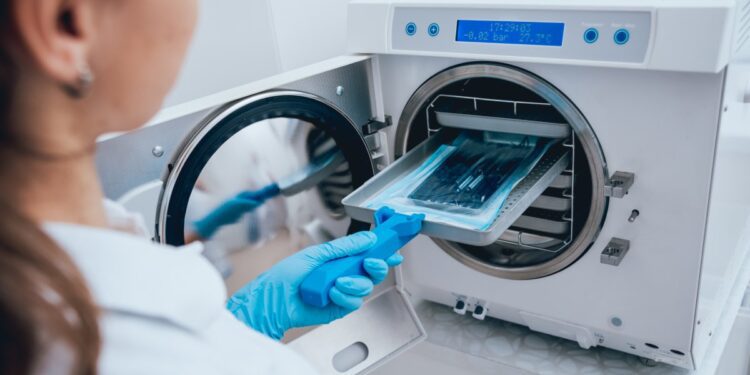
A healthcare professional wears a blue latex glove as they place a sterilizing tray into an autoclave device.

Autoclaves are fundamental to infection control in healthcare facilities worldwide. These critical sterilization devices ensure patient safety by eliminating harmful microorganisms from medical instruments and equipment. Healthcare professionals who know the expected lifespan of these devices can make informed decisions about maintenance, budgeting, and replacement planning.

Most healthcare facilities rely heavily on these steam sterilizers for daily operations. Knowing when your autoclave might need attention—or replacement—can prevent costly downtime and maintain compliance with safety standards. We’re taking a brief look at the average lifespan of an autoclave and what to know for your facility.

Average Autoclave Lifespan

Healthcare-grade autoclaves typically last between 10 to 20 years with proper maintenance. However, several factors influence this range:

  • Usage Frequency: High-volume facilities may see shorter lifespans.
  • Maintenance Quality: Regular servicing extends equipment life significantly.
  • Water Quality: Hard water accelerates component wear.
  • Operating Environment: Temperature and humidity affect longevity.
  • Model Quality: Commercial-grade units generally outlast basic models.

Tabletop autoclaves in smaller practices often last 8 to 15 years, while large floor-standing units in hospitals may operate effectively for 15 to 25 years.

Signs Your Autoclave Needs Attention

Healthcare professionals should monitor their autoclaves for warning signs that indicate maintenance or replacement needs:

Performance Issues

  • Inconsistent temperature readings
  • Extended cycle times
  • Frequent error codes or alarms

Physical Deterioration

  • Rust or corrosion on internal components
  • Cracked or warped chamber walls
  • Damaged door gaskets

When multiple issues occur simultaneously or repairs become frequent and costly, it’s time for a new autoclave.

Factors That Extend Autoclave Life

Proper care significantly impacts autoclave longevity. Healthcare facilities can maximize their autoclave investment by following a few best practices.

Regular Maintenance Schedules

Professional servicing every 6 to 12 months prevents minor issues from becoming major problems. Technicians inspect critical components, replace worn parts, and calibrate systems for optimal performance.

Daily Care Practices

Staff training on proper operation reduces unnecessary wear. This includes using appropriate water types, avoiding overloading, and following manufacturer guidelines for cleaning and operation.

Water Quality Management

Installing water filtration systems or using distilled water prevents mineral buildup that damages internal components. Hard water deposits can reduce autoclave lifespan considerably.

When Replacement Makes Financial Sense

Healthcare administrators must weigh repair costs against replacement benefits. Consider replacement when:

  • Annual repair costs exceed 50 percent of a new unit’s price
  • Parts become difficult to source or discontinued
  • Energy efficiency improvements justify the investment
  • Compliance requirements change, requiring updated features
  • Capacity needs have grown beyond current capabilities

Maximizing Your Investment

Strategic planning helps healthcare facilities get the most from their autoclave investments. Budget for replacement well before equipment failure occurs. This approach allows time for research, competitive bidding, and proper installation without disrupting patient care.

Documentation of maintenance records, repair costs, and performance issues provides valuable data for replacement timing decisions. This information also justifies capital expenditure to administrators and boards.

Planning for the Future

Autoclave technology continues advancing, offering improved efficiency, better monitoring capabilities, and enhanced safety features. Healthcare professionals should stay informed about developments that might benefit their specific applications.

Regular assessment of your facility’s sterilization needs ensures your autoclave capacity matches current and projected demand. Growing practices may need larger units, while changing procedures might require different cycle options or chamber configurations.

Knowing the average lifespan of an autoclave empowers healthcare professionals to make proactive decisions about their sterilization equipment. Proper maintenance, careful monitoring, and strategic replacement planning ensure continuous, reliable sterilization capability that protects both patients and staff.


ShareTweet
Casey Cartwright

Casey Cartwright

Casey is a passionate copyeditor highly motivated to provide compelling SEO content in the digital marketing space. Her expertise includes a vast range of industries from highly technical, consumer, and lifestyle-based, with an emphasis on attention to detail and readability.

Leave a Reply Cancel reply

Your email address will not be published. Required fields are marked *

Videos

This conversation focuses on debunking myths surrounding GLP-1 medications, particularly the misinformation about their association with pancreatic cancer. The speaker emphasizes the importance of understanding clinical study designs, especially the distinction between observational studies and randomized controlled trials. The discussion highlights the need for patients to critically evaluate the sources of information regarding medication side effects and to empower themselves in their healthcare decisions.

Takeaways
GLP-1 medications are not linked to pancreatic cancer.
Peer-reviewed studies debunk misinformation about GLP-1s.
Anecdotal evidence is not reliable for general conclusions.
Observational studies have limitations in generalizability.
Understanding study design is crucial for evaluating claims.
Symptoms should be discussed in the context of clinical conditions.
Not all side effects reported are relevant to every patient.
Observational studies can provide valuable insights but are context-specific.
Patients should critically assess the relevance of studies to their own experiences.
Engagement in discussions about specific studies can enhance understanding

Chapters
00:00
Debunking GLP-1 Medication Myths
02:56
Understanding Clinical Study Designs
05:54
The Role of Observational Studies in Healthcare
Debunking Myths About GLP-1 Medications
YouTube Video DM9Do_V6_sU
Subscribe

2027 Medicare Advantage & Part D Advance Notice

Clinical Reads

BIIB080 in Mild Alzheimer’s Disease: What a Phase 1b Exploratory Clinical Analysis Can—and Cannot—Tell Us

BIIB080 in Mild Alzheimer’s Disease: What a Phase 1b Exploratory Clinical Analysis Can—and Cannot—Tell Us

by Daily Remedy
February 15, 2026
0

Can lowering tau biology translate into a clinically meaningful slowing of decline in people with early symptomatic Alzheimer’s disease? That is the practical question behind BIIB080, an intrathecal antisense therapy designed to reduce production of tau protein by targeting the tau gene transcript. In a phase 1b program originally designed for safety and dosing, investigators later examined cognitive, functional, and global outcomes as exploratory endpoints. The clinical question matters because current disease-modifying options primarily target amyloid, while tau pathology tracks...

Read more

Join Our Newsletter!

Twitter Updates

Tweets by TheDailyRemedy

Popular

  • When Health Records Become Hostage: The Rise of Espionage in Healthcare Data Breaches

    When Health Records Become Hostage: The Rise of Espionage in Healthcare Data Breaches

    1 shares
    Share 0 Tweet 0
  • Abortion’s Precedent

    0 shares
    Share 0 Tweet 0
  • The Great COVID Vaccine Bet

    0 shares
    Share 0 Tweet 0
  • The Healthcare Jungle

    0 shares
    Share 0 Tweet 0
  • Alternative Medications Might Help With Chronic Pain

    0 shares
    Share 0 Tweet 0
  • 628 Followers

Daily Remedy

Daily Remedy offers the best in healthcare information and healthcare editorial content. We take pride in consistently delivering only the highest quality of insight and analysis to ensure our audience is well-informed about current healthcare topics - beyond the traditional headlines.

Daily Remedy website services, content, and products are for informational purposes only. We do not provide medical advice, diagnosis, or treatment. All rights reserved.

Important Links

  • Support Us
  • About Us
  • Contact us
  • Privacy Policy
  • Terms and Conditions

Join Our Newsletter!

  • Survey
  • Podcast
  • About Us
  • Contact us

© 2026 Daily Remedy

No Result
View All Result
  • Home
  • Articles
  • Podcasts
  • Surveys
  • Courses
  • About Us
  • Contact us
  • Support Us
  • Official Learner

© 2026 Daily Remedy
