













Thursday, February 5, 2026
ISSN 2765-8767
  • Survey
  • Podcast
  • Write for Us
  • My Account
  • Log In
Daily Remedy
  • Home
  • Articles
  • Podcasts
    The Future of LLMs in Healthcare

    The Future of LLMs in Healthcare

    January 26, 2026
    The Future of Healthcare Consumerism

    The Future of Healthcare Consumerism

    January 22, 2026
    Your Body, Your Health Care: A Conversation with Dr. Jeffrey Singer

    Your Body, Your Health Care: A Conversation with Dr. Jeffrey Singer

    July 1, 2025

    The cost structure of hospitals nearly doubles

    July 1, 2025
    Navigating the Medical Licensing Maze

    The Fight Against Healthcare Fraud: Dr. Rafai’s Story

    April 8, 2025
    Navigating the Medical Licensing Maze

    Navigating the Medical Licensing Maze

    April 4, 2025
  • Surveys

    Surveys

    AI in Healthcare Decision-Making

    AI in Healthcare Decision-Making

    February 1, 2026
    Patient Survey: Understanding Healthcare Consumerism

    Patient Survey: Understanding Healthcare Consumerism

    January 18, 2026

    Survey Results

    Can you tell when your provider does not trust you?

    Can you tell when your provider does not trust you?

    January 18, 2026
    Do you believe national polls on health issues are accurate

    National health polls: trust in healthcare system accuracy?

    May 8, 2024
    Which health policy issues matter the most to Republican voters in the primaries?

    Which health policy issues matter the most to Republican voters in the primaries?

    May 14, 2024
    How strongly do you believe that you can tell when your provider does not trust you?

    How strongly do you believe that you can tell when your provider does not trust you?

    May 7, 2024
  • Courses
  • About Us
  • Contact us
  • Support Us
  • Official Learner
No Result
View All Result
  • Home
  • Articles
  • Podcasts
    The Future of LLMs in Healthcare

    The Future of LLMs in Healthcare

    January 26, 2026
    The Future of Healthcare Consumerism

    The Future of Healthcare Consumerism

    January 22, 2026
    Your Body, Your Health Care: A Conversation with Dr. Jeffrey Singer

    Your Body, Your Health Care: A Conversation with Dr. Jeffrey Singer

    July 1, 2025

    The cost structure of hospitals nearly doubles

    July 1, 2025
    Navigating the Medical Licensing Maze

    The Fight Against Healthcare Fraud: Dr. Rafai’s Story

    April 8, 2025
    Navigating the Medical Licensing Maze

    Navigating the Medical Licensing Maze

    April 4, 2025
  • Surveys

    Surveys

    AI in Healthcare Decision-Making

    AI in Healthcare Decision-Making

    February 1, 2026
    Patient Survey: Understanding Healthcare Consumerism

    Patient Survey: Understanding Healthcare Consumerism

    January 18, 2026

    Survey Results

    Can you tell when your provider does not trust you?

    Can you tell when your provider does not trust you?

    January 18, 2026
    Do you believe national polls on health issues are accurate

    National health polls: trust in healthcare system accuracy?

    May 8, 2024
    Which health policy issues matter the most to Republican voters in the primaries?

    Which health policy issues matter the most to Republican voters in the primaries?

    May 14, 2024
    How strongly do you believe that you can tell when your provider does not trust you?

    How strongly do you believe that you can tell when your provider does not trust you?

    May 7, 2024
  • Courses
  • About Us
  • Contact us
  • Support Us
  • Official Learner
No Result
View All Result
Daily Remedy
No Result
View All Result
Home News

How To Avoid Cross Contamination in Lab Samples

Lab work often involves the maintenance and sterility of samples, and ensuring all professionals avoid cross contamination boils down to various processes.

Casey Cartwright by Casey Cartwright
April 27, 2025
in News
0
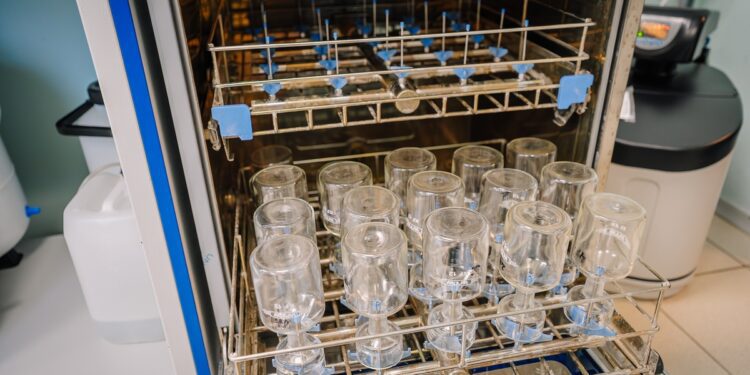
An open dishwasher surrounded by containers holding upside-down laboratory glassware as it hangs to dry.

Cross contamination is one of the most persistent challenges faced by laboratory professionals. It occurs when one sample comes into contact with a contaminating substance, such as other samples, chemicals, or environmental factors.

This contamination compromises the accuracy of test results, impacts research outcomes, and skews patient diagnoses. Learn how to avoid cross contamination in lab samples to minimize risks and produce accurate results.

Common Sources of Cross Contamination

Understanding where cross contamination originates is the first step in prevention. The most common sources include improper sample labeling, reuse of unsterilized tools, and human error. For instance, improperly cleaning pipettes after use spreads small amounts of a prior sample to the next one.

Additionally, airborne contaminants, such as dust particles or microbes, settle on exposed samples. Even storage methods, like placing incompatible samples together, can inadvertently lead to cross contamination.

Prevention Methods

Preventing cross contamination begins with meticulous sample handling. Always label your samples clearly to reduce mix-ups. When transferring samples, use single-use, sterile tools wherever possible to avoid cross contamination in the lab from prior usage.

Additionally, set up specific work areas for different types of analyses to limit the overlap of procedures and equipment. Document detailed protocols for each task so staff follow them correctly. Adopting these small but significant changes lowers contamination risks, as everyone does their part to keep a sanitized workspace.

Cleaning Protocols

A clean, organized workspace is central to maintaining sample integrity. Follow stringent cleaning protocols for equipment before and after use. Regularly sanitize work surfaces with appropriate disinfectants to remove residual contaminants.

Sterilize reusable tools by autoclaving or applying chemical methods before reuse. For easier sterilization, consider the best type of glass vial for your applications, such as presterilized vials or borosilicate glass vials that handle sterile conditions well. Implement a daily checklist to complete every cleaning procedure and maintain consistency and quality within the lab environment.

Monitoring for Contamination

Constant vigilance is key to early detection of cross contamination. Conduct routine quality assurance checks, including performing control tests and verifying negative controls. Regularly inspect and calibrate equipment for precision.

Some labs also benefit from environmental monitoring to measure airborne or surface contaminants in high-risk areas. Identifying contamination signs prevents the spread of errors and the need to redo entire experiments.

Cross contamination is a preventable but serious issue that disrupts results and wastes valuable resources. Ensure you have proper protocols in place to keep equipment sanitized so it can produce accurate results. Whether you’re conducting groundbreaking research or routine analyses, keeping your lab contamination-free maintains reliability and accuracy.

Take the time to educate your team, audit your processes, and adopt state-of-the-art equipment. The effort you invest in today will safeguard the integrity of your results tomorrow.


ShareTweet
Casey Cartwright

Casey Cartwright

Casey is a passionate copyeditor highly motivated to provide compelling SEO content in the digital marketing space. Her expertise includes a vast range of industries from highly technical, consumer, and lifestyle-based, with an emphasis on attention to detail and readability.

Leave a Reply Cancel reply

Your email address will not be published. Required fields are marked *

Videos

In this episode, the host discusses the significance of large language models (LLMs) in healthcare, their applications, and the challenges they face. The conversation highlights the importance of simplicity in model design and the necessity of integrating patient feedback to enhance the effectiveness of LLMs in clinical settings.

Takeaways
LLMs are becoming integral in healthcare.
They can help determine costs and service options.
Hallucination in LLMs can lead to misinformation.
LLMs can produce inconsistent answers based on input.
Simplicity in LLMs is often more effective than complexity.
Patient behavior should guide LLM development.
Integrating patient feedback is crucial for accuracy.
Pre-training models with patient input enhances relevance.
Healthcare providers must understand LLM limitations.
The best LLMs will focus on patient-centered care.

Chapters

00:00 Introduction to LLMs in Healthcare
05:16 The Importance of Simplicity in LLMs
The Future of LLMs in HealthcareDaily Remedy
YouTube Video U1u-IYdpeEk
Subscribe

AI Regulation and Deployment Is Now a Core Healthcare Issue

Clinical Reads

Ambient Artificial Intelligence Clinical Documentation: Workflow Support with Emerging Governance Risk

Ambient Artificial Intelligence Clinical Documentation: Workflow Support with Emerging Governance Risk

by Daily Remedy
February 1, 2026
0

Health systems are increasingly deploying ambient artificial intelligence tools that listen to clinical encounters and automatically generate draft visit notes. These systems are intended to reduce documentation burden and allow clinicians to focus more directly on patient interaction. At the same time, they raise unresolved questions about patient consent, data handling, factual accuracy, and legal responsibility for machine‑generated records. Recent policy discussions and legal actions suggest that adoption is moving faster than formal oversight frameworks. The practical clinical question is...

Read more

Join Our Newsletter!

Twitter Updates

Tweets by TheDailyRemedy

Popular

  • Powerful Phrases to Tell Patients

    Powerful Phrases to Tell Patients

    0 shares
    Share 0 Tweet 0
  • How Insurers Taught Patients to Shop

    0 shares
    Share 0 Tweet 0
  • Have We Cured Sickle Cell Disease?

    2 shares
    Share 0 Tweet 0
  • How Sterile Environments Save Lives in Healthcare

    0 shares
    Share 0 Tweet 0
  • The Future of Healthcare Law

    0 shares
    Share 0 Tweet 0
  • 628 Followers

Daily Remedy

Daily Remedy offers the best in healthcare information and healthcare editorial content. We take pride in consistently delivering only the highest quality of insight and analysis to ensure our audience is well-informed about current healthcare topics - beyond the traditional headlines.

Daily Remedy website services, content, and products are for informational purposes only. We do not provide medical advice, diagnosis, or treatment. All rights reserved.

Important Links

  • Support Us
  • About Us
  • Contact us
  • Privacy Policy
  • Terms and Conditions

Join Our Newsletter!

  • Survey
  • Podcast
  • About Us
  • Contact us

© 2026 Daily Remedy

No Result
View All Result
  • Home
  • Articles
  • Podcasts
  • Surveys
  • Courses
  • About Us
  • Contact us
  • Support Us
  • Official Learner

© 2026 Daily Remedy