













Friday, March 13, 2026
ISSN 2765-8767
  • Survey
  • Podcast
  • Write for Us
  • My Account
  • Log In
Daily Remedy
  • Home
  • Articles
  • Podcasts
    The Impact of COVID-19 on Patient Trust

    The Impact of COVID-19 on Patient Trust

    March 3, 2026
    Debunking Myths About GLP-1 Medications

    Debunking Myths About GLP-1 Medications

    February 16, 2026
    The Future of LLMs in Healthcare

    The Future of LLMs in Healthcare

    January 26, 2026
    The Future of Healthcare Consumerism

    The Future of Healthcare Consumerism

    January 22, 2026
    Your Body, Your Health Care: A Conversation with Dr. Jeffrey Singer

    Your Body, Your Health Care: A Conversation with Dr. Jeffrey Singer

    July 1, 2025

    The cost structure of hospitals nearly doubles

    July 1, 2025
  • Surveys

    Surveys

    Perceptions of Viral Wellness Practices on Social Media: A Likert-Scale Survey for Informed Readers

    Perceptions of Viral Wellness Practices on Social Media: A Likert-Scale Survey for Informed Readers

    March 1, 2026
    How Confident Are You in RFK Jr.’s Health Leadership?

    How Confident Are You in RFK Jr.’s Health Leadership?

    February 16, 2026

    Survey Results

    Can you tell when your provider does not trust you?

    Can you tell when your provider does not trust you?

    January 18, 2026
    Do you believe national polls on health issues are accurate

    National health polls: trust in healthcare system accuracy?

    May 8, 2024
    Which health policy issues matter the most to Republican voters in the primaries?

    Which health policy issues matter the most to Republican voters in the primaries?

    May 14, 2024
    How strongly do you believe that you can tell when your provider does not trust you?

    How strongly do you believe that you can tell when your provider does not trust you?

    May 7, 2024
  • Courses
  • About Us
  • Contact us
  • Support Us
  • Official Learner
No Result
View All Result
  • Home
  • Articles
  • Podcasts
    The Impact of COVID-19 on Patient Trust

    The Impact of COVID-19 on Patient Trust

    March 3, 2026
    Debunking Myths About GLP-1 Medications

    Debunking Myths About GLP-1 Medications

    February 16, 2026
    The Future of LLMs in Healthcare

    The Future of LLMs in Healthcare

    January 26, 2026
    The Future of Healthcare Consumerism

    The Future of Healthcare Consumerism

    January 22, 2026
    Your Body, Your Health Care: A Conversation with Dr. Jeffrey Singer

    Your Body, Your Health Care: A Conversation with Dr. Jeffrey Singer

    July 1, 2025

    The cost structure of hospitals nearly doubles

    July 1, 2025
  • Surveys

    Surveys

    Perceptions of Viral Wellness Practices on Social Media: A Likert-Scale Survey for Informed Readers

    Perceptions of Viral Wellness Practices on Social Media: A Likert-Scale Survey for Informed Readers

    March 1, 2026
    How Confident Are You in RFK Jr.’s Health Leadership?

    How Confident Are You in RFK Jr.’s Health Leadership?

    February 16, 2026

    Survey Results

    Can you tell when your provider does not trust you?

    Can you tell when your provider does not trust you?

    January 18, 2026
    Do you believe national polls on health issues are accurate

    National health polls: trust in healthcare system accuracy?

    May 8, 2024
    Which health policy issues matter the most to Republican voters in the primaries?

    Which health policy issues matter the most to Republican voters in the primaries?

    May 14, 2024
    How strongly do you believe that you can tell when your provider does not trust you?

    How strongly do you believe that you can tell when your provider does not trust you?

    May 7, 2024
  • Courses
  • About Us
  • Contact us
  • Support Us
  • Official Learner
No Result
View All Result
Daily Remedy
No Result
View All Result
Home Featured

The Importance of Clinical Reasoning

It's the heartbeat of competent, compassionate medicine.

Sanjana Sinha by Sanjana Sinha
May 16, 2024
in Featured
0
The Importance of Clinical Reasoning

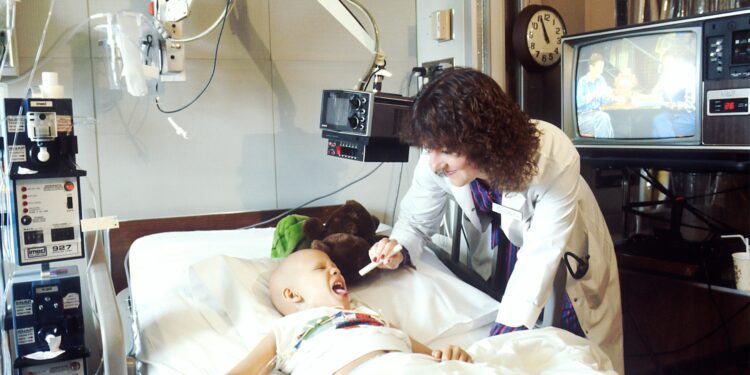
National Cancer Institute

In the multifaceted world of modern medicine, a physician is not only a healer but also a decision-maker and an advocate for patients. Of these, reasoning skills stand out as the most critical. They enable doctors to navigate complex clinical scenarios. Physicians who attain these skills transform a myriad of symptoms into a coherent diagnosis and ultimately tailor treatments that respect the intricate nature of human health.

Reasoning is the physician’s compass. It guides every step from diagnosis to treatment, beginning with the initial encounter. The patient provides disparate threads of information from which a physician must discern the relevant from the extraneous. This epitomizes analytical reasoning. Every symptom, lab result, and personal history is a clue. The physician pieces this over multiple encounters, like a puzzle, to assemble a clear picture.

For instance, a cough and fever might lead to a straightforward diagnosis of an upper respiratory infection. However, in a patient with a complex medical history, these symptoms allude to a more serious underlying condition. Reasoning empowers a physician to see this.

In the unpredictable environment of healthcare, not all answers are clear-cut. Physicians often encounter rare conditions that require the unconventional application of medical principles. Here, critical thinking comes into play. The physician weighs risks against benefits, considers the latest research, and integrates clinical expertise with patient values to make the best decisions.

Clinical reasoning also extends to understanding evidence-based medicine, the cornerstone of clinical practice today. Physicians must have the reasoning skills to apply clinical research and statistics to individual patients. In this vein, clinical reasoning ensures physicians medical remain current with the best available evidence. But this is only part of what encompasses good clinical care.

Physicians must also recognize the importance of a patient’s rights. They are integral to care and enshrined in the Oath of Hippocrates, guiding physicians to uphold ethical principles of patient-centered care.

This approach enhances the quality of care, and reinforces principles of collaboration in the doctor-patient relationship, leading to better patient communication: A realm where clinical reasoning is indispensable.

Physicians must be able to effectively explain complex medical information to patients. This requires not only a deep understanding of the subject matter but also the ability to reason through the patient’s perspective and anticipate questions. Strong communication correlates to strong adherence. Whether discussing treatment options, potential side effects, or preventative measures, the ability to convey information empathetically positively influences a patient’s understanding of their treatment.

Medicine is an ever-evolving field. What is considered standard practice today might change. The ability to reason through new information and continuously refine one’s approach to patient care is what characterizes the most exceptional physicians.

Medical education must therefore emphasize the development of robust clinical reasoning skills to prepare future healthcare providers.

Reasoning is the thread of the fabric of medical practice. It enables physicians to process the complexity of human biology and apply it to the real world. Reasoning skills matter because they empower physicians to deliver care that is both technically proficient as well as wise and humanistic. It’s the bridge between science and the art of healing. Therefore, reasoning is not just a desirable skill—it is the very heartbeat of competent, compassionate medical practice.


ShareTweet
Sanjana Sinha

Sanjana Sinha

Sanjana Sinha is a student at Northeastern University majoring in Public Health and Psychology.

Leave a Reply Cancel reply

Your email address will not be published. Required fields are marked *

Videos

In this episode of the Daily Remedy Podcast, Tiffany Ryder discusses her insights on healthcare messaging, the impact of COVID-19 on patient trust, and the importance of transparency in health policy. She emphasizes the need for clear communication in the face of divisiveness and explores the complexities surrounding the estrogen debate. Additionally, Tiffany highlights positive developments in health policy and the necessity of effectively conveying these changes to the public.

Tiffany Ryder is a political commentator and public health policy thought leader who publishes the Substack newsletter Signal and Noise: https://signalandnoise.online/


Chapters

00:00 Introduction to Healthcare Conversations
02:58 Signal and Noise: Understanding Healthcare Communication
05:56 The Storytelling Problem in Healthcare
08:58 Navigating Political Divisiveness in Health Policy
11:55 The Role of Media in Health Policy
15:03 Bias in Health Reporting
17:56 Estrogen and Health Policy: A Case Study
24:00 Positive Developments in Health Policy
27:03 Looking Ahead: Future of Health Policy
31:49 Communicating Health Policy Effectively
The Impact of COVID-19 on Patient Trust
YouTube Video ujzgl7HDlsw
Subscribe

2027 Medicare Advantage & Part D Advance Notice

Clinical Reads

GLP-1 Drugs Have Moved Past Weight Loss. Medicine Has Not Fully Caught Up.

Glucagon-Like Peptide–Based Therapies and Longevity: Clinical Implications from Emerging Evidence

by Daily Remedy
March 1, 2026
0

Glucagon-like peptide–based therapies are increasingly used for weight management and glycemic control, but their potential impact on long-term survival remains uncertain. The clinical question addressed in this report is whether treatment with glucagon-like peptide receptor agonists is associated with reductions in all-cause mortality and age-related morbidity beyond their established metabolic effects. This question matters because these agents are now prescribed across broad patient populations, including individuals without diabetes, and long-term exposure may influence cardiovascular, oncologic, and neurodegenerative outcomes. Understanding whether...

Read more

Join Our Newsletter!

Twitter Updates

Tweets by TheDailyRemedy

Popular

  • If the Wealthy Live to 120

    If the Wealthy Live to 120

    0 shares
    Share 0 Tweet 0
  • We May Soon Have a Nitazene Crisis

    0 shares
    Share 0 Tweet 0
  • Invisible Backbone: How International Nurses Day Exposed a Global Care Crisis

    0 shares
    Share 0 Tweet 0
  • When the Taboo Becomes Therapeutic

    0 shares
    Share 0 Tweet 0
  • Healthcare Natural Rights

    0 shares
    Share 0 Tweet 0
  • 628 Followers

Daily Remedy

Daily Remedy offers the best in healthcare information and healthcare editorial content. We take pride in consistently delivering only the highest quality of insight and analysis to ensure our audience is well-informed about current healthcare topics - beyond the traditional headlines.

Daily Remedy website services, content, and products are for informational purposes only. We do not provide medical advice, diagnosis, or treatment. All rights reserved.

Important Links

  • Support Us
  • About Us
  • Contact us
  • Privacy Policy
  • Terms and Conditions

Join Our Newsletter!

  • Survey
  • Podcast
  • About Us
  • Contact us

© 2026 Daily Remedy

No Result
View All Result
  • Home
  • Articles
  • Podcasts
  • Surveys
  • Courses
  • About Us
  • Contact us
  • Support Us
  • Official Learner

© 2026 Daily Remedy
