












Thursday, March 12, 2026
ISSN 2765-8767
  • Survey
  • Podcast
  • Write for Us
  • My Account
  • Log In
Daily Remedy
  • Home
  • Articles
  • Podcasts
    The Impact of COVID-19 on Patient Trust

    The Impact of COVID-19 on Patient Trust

    March 3, 2026
    Debunking Myths About GLP-1 Medications

    Debunking Myths About GLP-1 Medications

    February 16, 2026
    The Future of LLMs in Healthcare

    The Future of LLMs in Healthcare

    January 26, 2026
    The Future of Healthcare Consumerism

    The Future of Healthcare Consumerism

    January 22, 2026
    Your Body, Your Health Care: A Conversation with Dr. Jeffrey Singer

    Your Body, Your Health Care: A Conversation with Dr. Jeffrey Singer

    July 1, 2025

    The cost structure of hospitals nearly doubles

    July 1, 2025
  • Surveys

    Surveys

    Perceptions of Viral Wellness Practices on Social Media: A Likert-Scale Survey for Informed Readers

    Perceptions of Viral Wellness Practices on Social Media: A Likert-Scale Survey for Informed Readers

    March 1, 2026
    How Confident Are You in RFK Jr.’s Health Leadership?

    How Confident Are You in RFK Jr.’s Health Leadership?

    February 16, 2026

    Survey Results

    Can you tell when your provider does not trust you?

    Can you tell when your provider does not trust you?

    January 18, 2026
    Do you believe national polls on health issues are accurate

    National health polls: trust in healthcare system accuracy?

    May 8, 2024
    Which health policy issues matter the most to Republican voters in the primaries?

    Which health policy issues matter the most to Republican voters in the primaries?

    May 14, 2024
    How strongly do you believe that you can tell when your provider does not trust you?

    How strongly do you believe that you can tell when your provider does not trust you?

    May 7, 2024
  • Courses
  • About Us
  • Contact us
  • Support Us
  • Official Learner
No Result
View All Result
  • Home
  • Articles
  • Podcasts
    The Impact of COVID-19 on Patient Trust

    The Impact of COVID-19 on Patient Trust

    March 3, 2026
    Debunking Myths About GLP-1 Medications

    Debunking Myths About GLP-1 Medications

    February 16, 2026
    The Future of LLMs in Healthcare

    The Future of LLMs in Healthcare

    January 26, 2026
    The Future of Healthcare Consumerism

    The Future of Healthcare Consumerism

    January 22, 2026
    Your Body, Your Health Care: A Conversation with Dr. Jeffrey Singer

    Your Body, Your Health Care: A Conversation with Dr. Jeffrey Singer

    July 1, 2025

    The cost structure of hospitals nearly doubles

    July 1, 2025
  • Surveys

    Surveys

    Perceptions of Viral Wellness Practices on Social Media: A Likert-Scale Survey for Informed Readers

    Perceptions of Viral Wellness Practices on Social Media: A Likert-Scale Survey for Informed Readers

    March 1, 2026
    How Confident Are You in RFK Jr.’s Health Leadership?

    How Confident Are You in RFK Jr.’s Health Leadership?

    February 16, 2026

    Survey Results

    Can you tell when your provider does not trust you?

    Can you tell when your provider does not trust you?

    January 18, 2026
    Do you believe national polls on health issues are accurate

    National health polls: trust in healthcare system accuracy?

    May 8, 2024
    Which health policy issues matter the most to Republican voters in the primaries?

    Which health policy issues matter the most to Republican voters in the primaries?

    May 14, 2024
    How strongly do you believe that you can tell when your provider does not trust you?

    How strongly do you believe that you can tell when your provider does not trust you?

    May 7, 2024
  • Courses
  • About Us
  • Contact us
  • Support Us
  • Official Learner
No Result
View All Result
Daily Remedy
No Result
View All Result
Home Contrarian

Harm Reduction Means Patient Education

Daily Remedy by Daily Remedy
December 12, 2021
in Contrarian
0
Harm Reduction Means Patient Education 2021.12.14

Addiction is as American as apple pie. And like the famous dish, has changed over time.

The first addiction crisis began during the Civil War, when veterans were given opium to address war time injuries sustained on the battlefield. Many physicians who cared for the injured war veterans used the available opioid treatments for pain, including one that combined opium and alcohol.

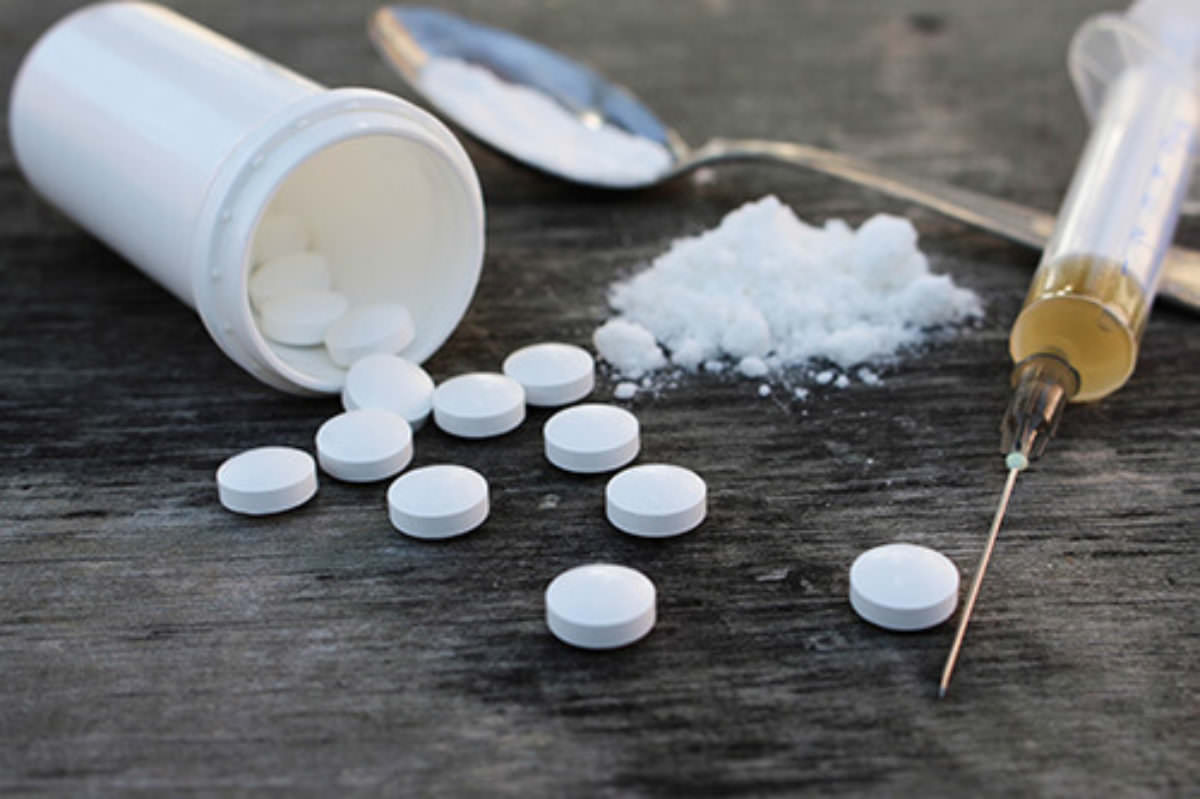
But it was a relatively new painkiller that led to many patients developing addictions. Morphine, a newly created opioid was designed to be injected through another new creation at the time, the hypodermic needle. The combination of a potent opioid administered through a direct route into the body created the first scourge of addiction.

Morphine was initially used to treat a soldier’s pain, stop internal bleeding, and relieve vomiting and diarrhea caused by infectious diseases. However, the unforeseen potency and pervasive use led many to develop opioid addictions, both during the war and afterwards when seeking medical care for wartime injuries or illnesses.

In response, the government denied wartime pensions for many of these soldiers, citing their addiction as the cause. One Union veteran, Charles L. Williams, received a letter of denial specifically because he had, “contracted [the] opium habit during war.”

These soldiers had become stigmatized. The addictions they developed from war time wounds were perceived to be failures of character. And the government responded back then the way it has responded for most of its history – by moralizing addiction as a failure of the individual.

No matter what drug crisis has entered the public ethos, be it alcohol, crack cocaine, or methamphetamines, the government’s response has been the same. The drug of choice may change, but the stigmatization remains the same.

Until recently – when the government began implementing drug policies centered on the principle of harm reduction, a concept well known to addiction specialists. Now a patient is not stigmatized or denied access to drugs or addictive medications, but given them in such a way that minimizes the harms to both individual and society.

The Biden administration recently announced that healthcare centers implementing harm reduction strategies will be eligible for federal grants under a thirty million dollar, three year program. This would provide funding for safe syringe service programs and the use of fentanyl test strips for those who solicit illicit opioids.

Harm reduction has been advocated for decades by prominent policy makers, including Dr. Nora Volkow, who heads the National Institute of Drug Addiction. But it never materialized into policy or legislation. And it certainly never materialized in the courts of law. But the surging number of overdoses has prompted calls for a new approach – that of harm reduction.

“A hundred thousand overdoses in a twelve month period – it’s simply heartbreaking,” said Dr. Rahul Gupta, director of the White House Office of National Drug Control Policy (ONDCP), who has paved the way for harm reduction policies to be an on-ground reality for many Americans with substance use dependencies.

Hopefully soon addiction will be viewed the same way as other previously stigmatized mental health conditions. Instead alienating patients with substance use dependency, we now provide opportunities to address addictions in safe, medically appropriate ways.

This is a start. And it will do much to alleviate the social and economic toll of addiction on this country. But there is another shift yet to be made. Instead of merely providing access and safeguarding otherwise harmful drug use, we must also educate patients about the potency of the drugs they consume.

Most of the drug epidemics over the country’s history came when we were introduced to new, more potent drugs. During the Civil War it was morphine. During Prohibition it was alcohol laced with methanol. During the Crack Epidemic it was a more potent form of cocaine.

Now it is fentanyl and the various derivatives of synthetic opioids made from materials from China and labs in Mexico and then transported into this country. Most patients who overdose from these illicit, synthetic opioids are unaware of how potent the substance being consume is – they just take it assuming it is what they normally take. And the consequences have been devastating.

Fentanyl test strips can help patients with substance use dependency determine whether the illicit opioid is more potent than what they are used to. But now we must help patients determine relative degrees of potency.

New formulations of synthetic fentanyl like Nitazenes are twenty times as potent as fentanyl and led to a rash in overdoses in the metro D.C. area. Testing for the presence of fentanyl may not be sufficient for someone who has a tolerance for it and still looking for a high – and comes across a substance that is significantly more potent.

Access alone is not enough. We must educate while we provide access.

Much like how the public is aware of different alcohol concentrations in different spirits, beers, and wines. This would be the next step in encouraging safe drug use and will help prevent or at least reduce future drug crises.

When people are aware of changing potencies, they can adjust their drug use accordingly – preventing the upswing in overdoses whenever we see new drugs in street markets.

The government has wisely chosen to move in the direction of harm reduction and provide access to care for patients with substance use dependency. But access alone is not enough, we need to educate.

We need to continue along the course of harm reduction.

ShareTweet
Daily Remedy

Daily Remedy

Dr. Jay K Joshi serves as the editor-in-chief of Daily Remedy. He is a serial entrepreneur and sought after thought-leader for matters related to healthcare innovation and medical jurisprudence. He has published articles on a variety of healthcare topics in both peer-reviewed journals and trade publications. His legal writings include amicus curiae briefs prepared for prominent federal healthcare cases.

Leave a Reply Cancel reply

Your email address will not be published. Required fields are marked *

Videos

In this episode of the Daily Remedy Podcast, Tiffany Ryder discusses her insights on healthcare messaging, the impact of COVID-19 on patient trust, and the importance of transparency in health policy. She emphasizes the need for clear communication in the face of divisiveness and explores the complexities surrounding the estrogen debate. Additionally, Tiffany highlights positive developments in health policy and the necessity of effectively conveying these changes to the public.

Tiffany Ryder is a political commentator and public health policy thought leader who publishes the Substack newsletter Signal and Noise: https://signalandnoise.online/


Chapters

00:00 Introduction to Healthcare Conversations
02:58 Signal and Noise: Understanding Healthcare Communication
05:56 The Storytelling Problem in Healthcare
08:58 Navigating Political Divisiveness in Health Policy
11:55 The Role of Media in Health Policy
15:03 Bias in Health Reporting
17:56 Estrogen and Health Policy: A Case Study
24:00 Positive Developments in Health Policy
27:03 Looking Ahead: Future of Health Policy
31:49 Communicating Health Policy Effectively
The Impact of COVID-19 on Patient Trust
YouTube Video ujzgl7HDlsw
Subscribe

2027 Medicare Advantage & Part D Advance Notice

Clinical Reads

GLP-1 Drugs Have Moved Past Weight Loss. Medicine Has Not Fully Caught Up.

Glucagon-Like Peptide–Based Therapies and Longevity: Clinical Implications from Emerging Evidence

by Daily Remedy
March 1, 2026
0

Glucagon-like peptide–based therapies are increasingly used for weight management and glycemic control, but their potential impact on long-term survival remains uncertain. The clinical question addressed in this report is whether treatment with glucagon-like peptide receptor agonists is associated with reductions in all-cause mortality and age-related morbidity beyond their established metabolic effects. This question matters because these agents are now prescribed across broad patient populations, including individuals without diabetes, and long-term exposure may influence cardiovascular, oncologic, and neurodegenerative outcomes. Understanding whether...

Read more

Join Our Newsletter!

Twitter Updates

Tweets by TheDailyRemedy

Popular

  • When the Taboo Becomes Therapeutic

    When the Taboo Becomes Therapeutic

    0 shares
    Share 0 Tweet 0
  • The Curious Case of Dr. Xiulu Ruan

    1 shares
    Share 0 Tweet 0
  • Familiarity Biases

    0 shares
    Share 0 Tweet 0
  • We May Soon Have a Nitazene Crisis

    0 shares
    Share 0 Tweet 0
  • Invisible Backbone: How International Nurses Day Exposed a Global Care Crisis

    0 shares
    Share 0 Tweet 0
  • 628 Followers

Daily Remedy

Daily Remedy offers the best in healthcare information and healthcare editorial content. We take pride in consistently delivering only the highest quality of insight and analysis to ensure our audience is well-informed about current healthcare topics - beyond the traditional headlines.

Daily Remedy website services, content, and products are for informational purposes only. We do not provide medical advice, diagnosis, or treatment. All rights reserved.

Important Links

  • Support Us
  • About Us
  • Contact us
  • Privacy Policy
  • Terms and Conditions

Join Our Newsletter!

  • Survey
  • Podcast
  • About Us
  • Contact us

© 2026 Daily Remedy

No Result
View All Result
  • Home
  • Articles
  • Podcasts
  • Surveys
  • Courses
  • About Us
  • Contact us
  • Support Us
  • Official Learner

© 2026 Daily Remedy
