






Navigating the world of medical equipment can feel overwhelming, especially if you or a loved one is dealing with a new health challenge. Durable Medical Equipment (DME) encompasses a wide range of supplies designed to provide therapeutic benefits to patients with certain medical conditions or illnesses.
From wheelchairs and walkers to hospital beds and oxygen equipment, you can follow these tips to buy durable medical equipment and improve your quality of life.
Understand Your Specific Needs
Before you start shopping, it is vital to have a clear understanding of what you actually need. “Durable medical equipment” is a broad term, and devices often come with various features and specifications tailored to different users.
Consult with your healthcare provider or a physical therapist. They can provide a prescription that details the exact type of equipment required. For example, if you need a wheelchair, they can specify whether you need a lightweight model for travel or a heavy-duty one for daily use. It is also vital, when using websites, to understand what you need to know about ordering a wheelchair online.
Check Your Insurance Coverage
One of the most significant factors in buying DME is understanding how your insurance handles these purchases. Medicare, Medicaid, and private insurance plans often cover a portion of the cost, but strict guidelines usually apply.
If you are on Medicare Part B, it typically covers medically necessary durable medical equipment when your doctor prescribes it for use at home. However, you must buy from a supplier enrolled in Medicare. If you go to a non-enrolled supplier, Medicare will not pay the claims.
Prioritize Quality and Durability
The term “durable” is in the name for a reason—this equipment needs to withstand repeated use. While it might be tempting to opt for the cheapest option, lower-quality items can break down quickly or, worse, compromise safety.
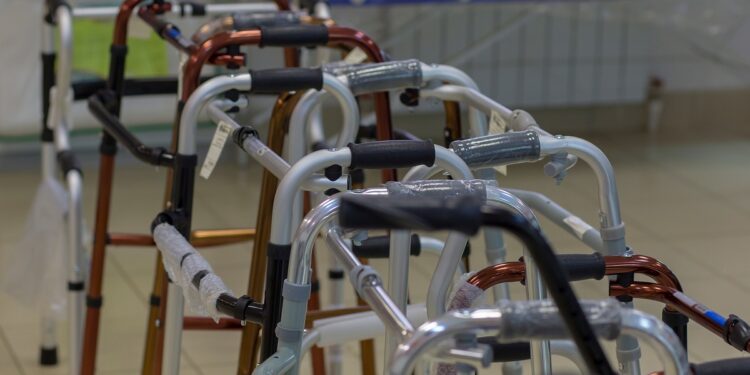
Inspect the materials and construction of the equipment. If you are buying a walker or wheelchair, check the brakes, wheels, and frame stability. If you are purchasing electronic equipment, such as a CPAP machine, research the brand’s reliability ratings. Investing in high-quality gear ensures longevity and peace of mind.
Consider Comfort and Ease of Use
Medical equipment should make life easier, not harder. If a device is uncomfortable or too difficult to operate, it likely won’t get used properly, which defeats the purpose.
If possible, test the equipment before buying. Sit in the chair, lift the walker, or adjust the hospital bed controls. If you are buying online, look for detailed product videos and check return policies in case the item doesn’t work out.
Making the Right Choice for Your Health
These tips for buying durable medical equipment help you invest in your health and independence. Don’t rush the process—ask questions, test products, and prioritize safety and comfort above all else. Always work with your doctors and experts to find the right options for you, and see how your medical equipment can improve everyday life.