












Friday, March 20, 2026
ISSN 2765-8767
  • Home
  • Courses
  • About Us
  • Contact us
  • Support Us
  • Home
  • Courses
  • About Us
  • Contact us
  • Support Us

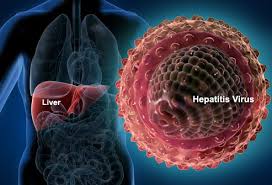
Hepatitis A vaccine shortage

Since 2017, large outbreaks of hepatitis A among adults have been occurring in a number of US cities and states, resulting in increased demand for vaccine. Initially, supplies of adult hepatitis A vaccine in the US were constrained.  In response, CDC took a number of steps to mitigate the supply issues.  Specifically, CDC (1) worked directly with public health officials in affected jurisdictions to provide guidance about targeting vaccine in response to local epidemiology; (2) collaborated with manufacturers to understand options for managing supplies in the private sector and increasing national supply; (3) implemented ordering controls in the public sector; and (4) increased vaccine availability on CDC’s adult vaccine contracts.

Nevertheless a shortage has formed in 2020-2021

Source: CDC

Daily Remedy

Daily Remedy

Dr. Jay K Joshi serves as the editor-in-chief of Daily Remedy. He is a serial entrepreneur and sought after thought-leader for matters related to healthcare innovation and medical jurisprudence. He has published articles on a variety of healthcare topics in both peer-reviewed journals and trade publications. His legal writings include amicus curiae briefs prepared for prominent federal healthcare cases.

Videos

Policy Shift in Peptide Regulation

GLP-1 Drugs Have Moved Past Weight Loss. Medicine Has Not Fully Caught Up.

Glucagon-Like Peptide–Based Therapies and Longevity: Clinical Implications from Emerging Evidence

Glucagon-like peptide–based therapies are increasingly used for weight management and glycemic control, but their potential impact on long-term survival remains uncertain. The clinical question addressed in this report is whether treatment with glucagon-like peptide receptor agonists is associated with reductions in all-cause mortality and age-related morbidity beyond their established metabolic effects. This question matters because these agents are now prescribed across broad patient populations, including individuals without diabetes, and long-term exposure may influence cardiovascular, oncologic, and neurodegenerative outcomes. Understanding whether...

Read more

Join Our Newsletter!

