













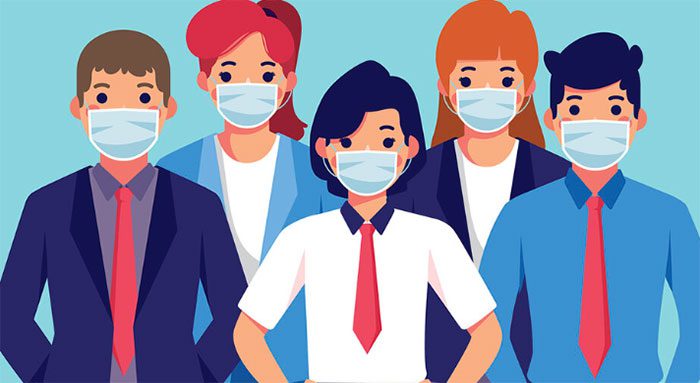
Asian immigrants have faced multiple challenges in the past year. There has been a rise in anti-Asian hate crimes, driven, in part, by inflammatory rhetoric related to the coronavirus pandemic, which has spurred the federal government to make a recent statement condemning and denouncing acts of racism, xenophobia, and intolerance against Asian American communities and to enact the COVID-19 Hate Crimes Act. At the same time, immigrants living in the U.S. have experienced a range of increased health and financial risks associated with COVID-19. These risks and barriers may have been compounded by immigration policy changes made by the Trump administration that increased fears among immigrant families and made some more reluctant to access programs and services, including health coverage and health care. Although the Biden administration has since reversed many of these policies, they may continue to have lingering effects among families.
Limited data are available to understand how immigrants have been affected by the pandemic, and there are particularly little data available to understand the experiences of Asian immigrants even though they are one of the fastest growing immigrant groups in the U.S. and are projected to become the nation’s largest immigrant group over the next 35 years. To help fill these gaps in information, this analysis provides insight into recent experiences with racism and discrimination, immigration-related fears, and impacts of the COVID-19 pandemic among Asian immigrant patients at four community health centers.
Source: Kaiser Family Foundation



