












Thursday, July 23, 2026
ISSN 2765-8767
  • Home
  • Courses
  • About Us
  • Contact us
  • Support Us
  • Home
  • Courses
  • About Us
  • Contact us
  • Support Us

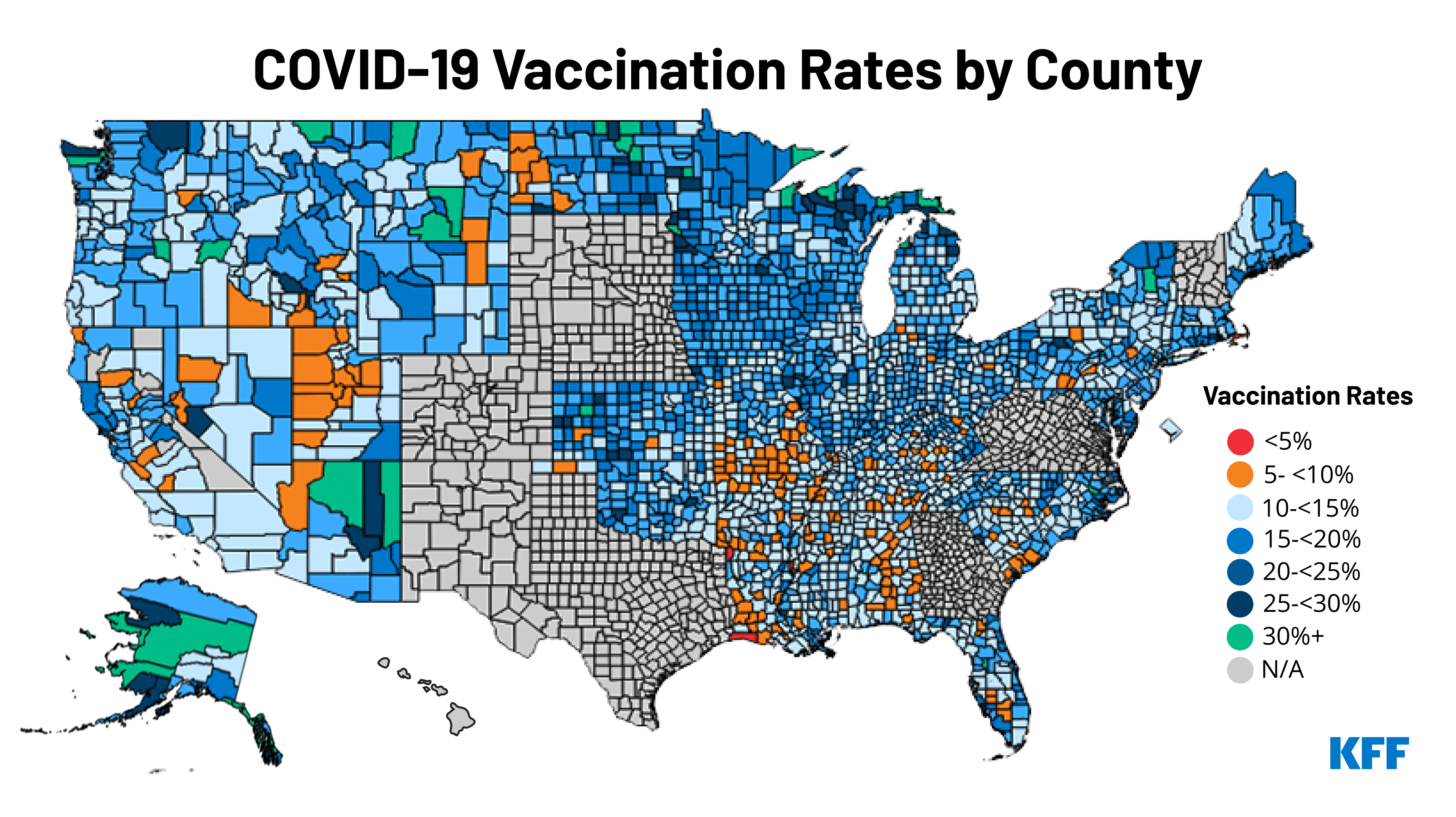
Vaccination rates vary by county, determined by local factors

COVID-19 has disproportionately affected certain underserved and high-risk populations, including people of color, those with underlying health conditions, and those who are socioeconomically disadvantaged. Ensuring access to COVID-19 vaccines for these communities can help address the disparate health effects of the virus and achieve herd immunity.

The Biden administration has identified vaccine equity as a priority, but states and local jurisdictions vary in how and the extent to which they prioritize equity. Given that vaccine roll-out in the U.S. is inherently local, understanding how vaccination rates vary at the local level is important for informing outreach efforts and addressing equity.

Earlier CDC analysis found that, as of early March, counties with high social vulnerability had lower vaccination rates than counties with low social vulnerability.

Source: Kaisesr Permanente Foundation

Daily Remedy

Daily Remedy

Dr. Jay K Joshi serves as the editor-in-chief of Daily Remedy. He is a serial entrepreneur and sought after thought-leader for matters related to healthcare innovation and medical jurisprudence. He has published articles on a variety of healthcare topics in both peer-reviewed journals and trade publications. His legal writings include amicus curiae briefs prepared for prominent federal healthcare cases.

Videos

Policy Shift in Peptide Regulation

FDA Evaluation of Certain Bulk Drug Substances in Compounding: Clinical Interpretation

FDA Evaluation of Certain Bulk Drug Substances in Compounding: Clinical Interpretation

Clinicians increasingly encounter patients using or requesting peptide-based therapies sourced through compounding pharmacies. The U.S. Food and Drug Administration has identified a subset of bulk drug substances, including certain peptides, that may present significant safety risks when used in compounded formulations. The clinical question is whether these regulatory signals reflect meaningful patient-level risk and how they should influence prescribing behavior. This matters because compounded peptides often sit outside traditional approval pathways, creating uncertainty around quality, dosing consistency, and safety. Understanding...

Read more

Join Our Newsletter!
