
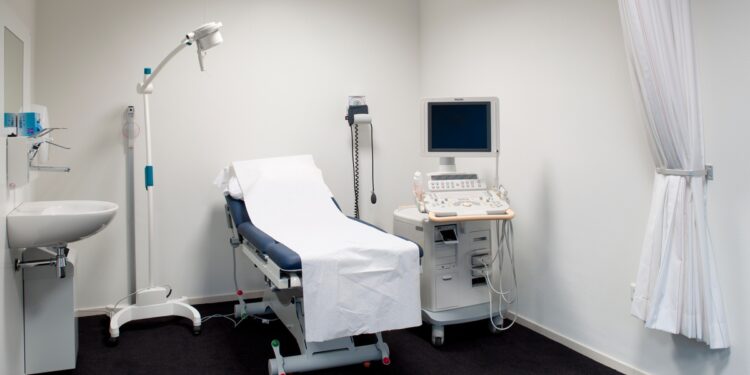
Hospitals rely on medical products throughout patient care, and every item must perform as expected when staff needs it most. Even a minor defect can interrupt a procedure, place pressure on employees, or create unnecessary risks for patients. Product reliability deserves constant attention because failures can affect care far beyond the item that initially caused the problem.
Reducing medical product failures in hospitals requires attention throughout the entire life of an item. Hospitals must understand how products perform under real clinical demands and respond quickly when defects become apparent. A proactive approach allows medical facilities to protect patients and maintain greater confidence in the products their teams depend upon.
Set Strong Quality Expectations
Hospitals need clear expectations for product quality before new supplies ever enter clinical areas. These standards should reflect the demands products face during normal use rather than assumptions based solely on initial appearance. Clear expectations make it easier for procurement teams to identify products that may fail to meet hospital requirements.
Each medical environment places different pressure on the products staff use throughout patient care. An item that performs well under limited use may deteriorate much faster within a department that depends upon it frequently. Hospitals should consider actual clinical demands when they determine whether a particular product meets their internal standards.
Inspect Products Before Clinical Use
A product should receive careful attention before hospital employees rely upon it during patient care. Visible defects can provide an early warning that construction quality or material strength does not meet expected standards. Detecting those problems before clinical use prevents weak products from reaching situations where failure could have greater consequences.
Hospital staff should examine each product carefully enough to notice irregular construction or damage from transit. Even a small weakness may become more serious once the product faces repeated pressure within a demanding healthcare environment. Early inspection gives hospitals an opportunity to address concerns before staff depend upon questionable products.
Pay Close Attention to Stitch Quality
Medical textiles often depend upon secure seams to preserve their structure throughout repeated clinical use. Poor stitch quality can weaken an otherwise dependable product and cause its condition to deteriorate much faster under physical stress. Hospitals should treat seam construction as a meaningful performance factor rather than an issue that affects appearance alone.
Understanding the impact of poor stitch quality on product performance will help hospitals detect weak construction before it creates problems during patient care. Loose thread or uneven seam strength can indicate deeper production concerns that deserve closer attention from hospital quality personnel. Early recognition allows medical facilities to question product reliability before weak construction results in complete failure.
Develop Reliable Supplier Relationships
Product reliability often begins with the manufacturers and suppliers that hospitals choose to support their clinical operations. A dependable supplier maintains consistent production standards and provides accurate information about the products delivered to healthcare facilities. Hospitals gain greater confidence when suppliers demonstrate clear accountability for the quality of their medical products.
Communication becomes especially important whenever a hospital identifies a potential product defect. Suppliers should respond to concerns promptly and provide enough information for hospital personnel to understand whether other products may face similar problems. Clear communication can prevent an isolated defect from becoming a repeated concern across several departments.
Evaluate Performance Under Hospital Conditions
Medical products may perform differently inside hospitals than they do under ideal evaluation conditions. Frequent contact and repeated use can expose weaknesses that remain invisible when staff first examine an item. Hospitals should consider how products respond to the actual pressure they will face within their intended clinical environments.
A limited evaluation before wider use can provide valuable insight into product durability. Staff may notice changes in structure or performance that suggest an item cannot tolerate the demands of regular hospital use. Realistic evaluations help procurement personnel make decisions based on practical performance rather than product descriptions alone.
Remove Products Before Complete Failure
Even dependable medical products can lose strength as repeated use places stress on their materials and construction. A product does not need to fail before its condition becomes unsuitable for continued clinical use. Hospitals should encourage staff to take early signs of deterioration seriously whenever product reliability appears uncertain.
Employees may continue to use an item when damage appears minor, and the product still seems functional. That decision can create unnecessary risk because small defects often become worse once additional pressure affects weakened areas. Clear internal expectations help staff understand when a questionable product should leave clinical service.
Improve Staff Awareness of Defects
Clinical staff interact directly with medical products and often notice performance changes before other hospital departments become aware of them. Their experience places them in a strong position to identify unusual wear or weaknesses during regular patient care. Hospitals can strengthen product quality efforts when employees understand how to recognize concerns early.
Staff also need a simple way to communicate concerns once they identify a possible defect. Delays can allow the same questionable product to remain available or prevent other departments from hearing about a broader problem. Effective communication helps quality personnel respond before similar defects affect additional patients or employees.
Maintain Appropriate Storage Conditions
Product quality can decline before clinical use when medical supplies remain under poor storage conditions. Environmental exposure or physical pressure can weaken certain materials even when the original product met strict manufacturing standards. Hospitals must protect products throughout storage to preserve the quality expected when those items first arrived.
Storage areas should allow employees to access products without causing unnecessary damage to nearby supplies. Crowded conditions can place pressure on packaging and make careful product handling much more difficult for hospital staff. Better storage practices help preserve medical products until clinical teams are ready to use them.
Examine Every Product Failure
A medical product failure can reveal information that helps hospitals prevent similar incidents in the future. Facilities should examine what happened and consider whether the defect reflects a larger concern rather than an isolated event. Careful review can uncover patterns that might remain hidden when departments address failures separately.
Repeated concerns deserve particular attention because they may indicate weaknesses associated with a specific product or supplier. Hospitals can compare previous incidents and determine whether similar defects have appeared elsewhere within the facility. This knowledge supports more informed decisions when leaders consider whether continued product use remains appropriate.
Hospitals can reduce medical product failures when quality receives attention before an item reaches a patient and throughout its useful life. Small defects deserve serious consideration because repeated clinical demands can turn minor weaknesses into much larger performance problems. Early detection gives healthcare facilities greater control over product reliability and reduces the chance that preventable failures will interrupt patient care.
A strong approach depends upon cooperation throughout the hospital rather than isolated efforts from individual departments. Staff members who recognize concerns early can help quality personnel respond before similar products create additional problems elsewhere in the facility. Consistent attention to product performance helps hospitals maintain dependable medical supplies and support safer care for every patient.