













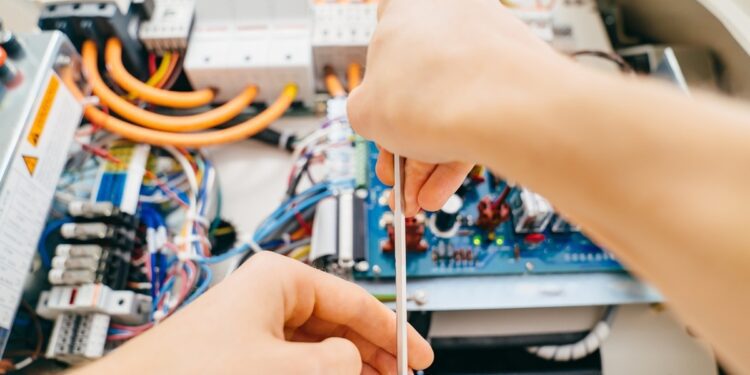
Clinical laboratories operate within tightly controlled environments where equipment performance directly influences diagnostic accuracy and turnaround times. As testing volumes increase and technologies become more specialized, maintenance planning has shifted from a reactive task to a structured operational priority. Facilities that invest in organized maintenance strategies can better manage equipment reliability while maintaining compliance with regulatory standards. This allows preventive maintenance planning in clinical laboratories to support consistent performance and reduce operational disruptions.
Building Structured Maintenance Schedules
Laboratories rely on detailed maintenance schedules that align with manufacturer recommendations, regulatory standards, and internal usage patterns, since each piece of equipment experiences wear differently depending on volume and testing complexity. By mapping routine inspections, calibration intervals, and part replacements, facilities reduce variability in equipment performance while maintaining compliance with accreditation requirements.
These schedules require coordination, particularly when balancing maintenance windows with testing demand. When planning becomes standardized, laboratories gain greater visibility into equipment lifecycle trends, which supports more accurate forecasting and resource allocation.
Integrating External Expertise Into Planning
Maintenance planning frequently involves collaboration with external specialists who bring technical expertise and access to proprietary diagnostics tools, especially for high-complexity instruments. While internal teams manage daily upkeep, outside providers contribute deeper insight into long-term performance trends and component-level issues that may not be visible during routine checks.
Facilities that are looking for a lab equipment service provider typically evaluate responsiveness, technical certifications, and familiarity with regulatory expectations, since these factors influence both reliability and compliance. Incorporating external expertise into preventive maintenance planning allows laboratories to expand their technical capacity without overextending internal resources.
Managing Risk Through Preventive Protocols
Preventive maintenance serves as a risk management strategy by reducing the likelihood of unexpected equipment failure that could delay diagnostic results or compromise data integrity. When laboratories implement standardized protocols, they create consistency in how staff members identify, document, and resolve issues across different departments.
Risk reduction extends beyond equipment function, as maintenance records contribute to audit readiness and regulatory inspections. Clear documentation supports transparency while reinforcing adherence to clinical standards, which remains a central expectation in healthcare environments.
Aligning Maintenance With Operational Goals
Maintenance planning becomes more effective when aligned with broader operational goals. Laboratories that integrate maintenance considerations into strategic planning can better coordinate downtime with lower testing volumes, reducing disruption to patient care services.
This alignment requires ongoing evaluation, as changes in testing demand or technology adoption may shift maintenance priorities. By maintaining flexibility within structured plans, laboratories adapt to evolving conditions while preserving consistency in equipment performance and compliance practices.
Sustaining Performance Through Proactive Planning
As laboratories navigate increasing complexity in diagnostic technologies, structured planning frameworks provide a foundation for maintaining performance without compromising efficiency. By embedding preventive strategies into routine operations, facilities reinforce a culture of accountability and preparedness that extends across clinical and administrative teams. In this way, preventive maintenance planning in clinical laboratories remains central to sustaining high standards in healthcare delivery.



