Demolition work creates serious risks for workers and managers. Strong demolition site safety practices help control unstable structures and harmful exposure before work begins.
Every project requires careful planning based on the building and surrounding area. Site leaders should review structural conditions and identify utilities before equipment enters the property. Here is a quick overview of essential demolition site health and safety tips to keep workers safe.
Complete a Detailed Site Assessment
A qualified professional should inspect the structure for weak floors and damaged supports. The assessment should also locate gas lines and electrical systems that may create immediate danger.
Older buildings may contain asbestos or lead-based paint that can lead to breathing and other health issues. Testing allows trained crews to choose proper removal methods and protective equipment.
Nearby homes and businesses also require attention. Dust or debris can travel beyond the work zone without effective controls.
Control Access to the Work Zone
Clear boundaries prevent unauthorized visitors from entering hazardous areas. Fencing and visible warning signs should surround the active site. Only trained workers should enter restricted zones. Site managers should track entry and confirm that each worker has the proper PPE to address current hazards.
Local residents may need advance notice about noise or temporary road closures. Early communication can reduce confusion and support safer movement near the project.
Use Appropriate Protective Equipment
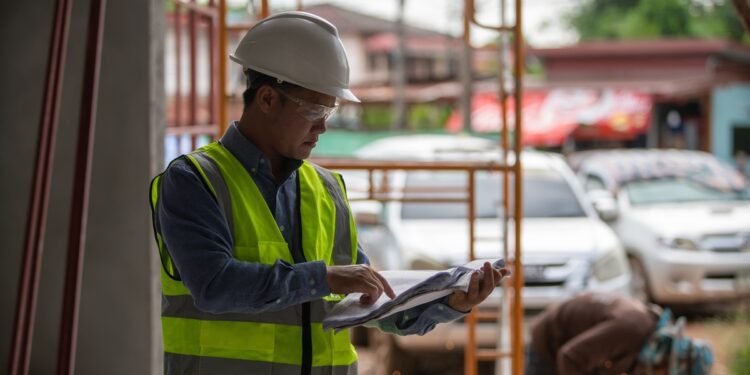
Personal protective equipment must match the task and hazard level. Workers should inspect all equipment before each shift.
Common protective measures include:
- Hard hats protect workers from falling debris.
- Safety glasses shield the eyes from dust.
- Respirators reduce exposure to airborne contaminants.
- Steel-toe boots help prevent foot injuries.
Protective gear cannot replace hazard controls. Crews should combine proper equipment with safe work methods and regular supervision.
Manage Dust and Airborne Hazards
Demolition dust can affect workers and nearby communities. Water suppression and vacuum systems can limit airborne particles during concrete removal.
Some projects require hydrodemolition to remove damaged concrete with controlled water pressure. Project planners should choose a hydroblasting company that thoroughly explains equipment standards and operator qualifications.
Air monitoring may also prove necessary when hazardous materials remain present. Results can guide work schedules and respirator requirements.
Inspect Equipment and Tools
Heavy machinery requires daily inspection and regular maintenance. Operators should check brakes and warning systems before starting work. Damaged tools can cause sudden injuries. Workers should remove defective equipment from service and report problems immediately.
Equipment operators also need clear sight lines. Spotters can guide movement when debris or structures block visibility.
Prepare for Emergencies
Every demolition site needs a written emergency plan. The plan should cover fires and structural collapse without relying on improvised decisions. Workers must know evacuation routes and assembly points. Supervisors should keep first aid supplies accessible and confirm emergency contact details.
Regular drills help crews respond quickly. Strong demolition site safety depends on preparation and consistent enforcement of these guidelines throughout the project.